
NewsDetails
Aluminum Composite Panel Insulation Board for Exterior Wall Systems
author:Dingming time:2026-09-07 19:03:44 Click:103
Aluminum composite panel (ACP) insulation boards have emerged as a leading solution for exterior wall systems, combining the aesthetic appeal of aluminum with superior thermal insulation performance. These factory-engineered panels deliver exceptional durability, weather resistance, and energy efficiency while offering architects virtually unlimited design possibilities. For building owners, developers, and contractors seeking high-performance facade solutions, aluminum composite insulation boards represent a compelling choice that balances aesthetics, performance, and cost-effectiveness.
Understanding Aluminum Composite Panel Insulation Boards
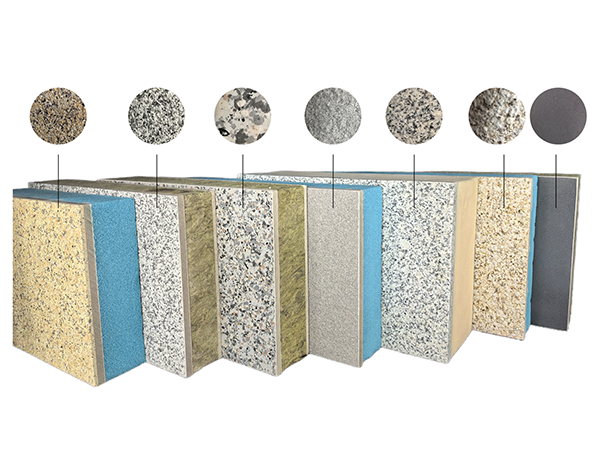
Aluminum composite panel insulation boards consist of a thermal insulation core bonded between an aluminum composite panel facing and a backing layer[reference:57]. The aluminum facing provides a durable, weather-resistant exterior surface that can be finished in virtually any color or pattern. The insulation core—typically rock wool, polyurethane, EPS, or XPS—provides the thermal performance that makes these panels effective for energy-efficient building envelopes[reference:58].
The aluminum facing itself is a composite material, typically consisting of two thin aluminum sheets bonded to a non-aluminum core. This construction provides the strength and rigidity of aluminum while reducing weight and cost compared to solid aluminum panels. Standard aluminum facing thicknesses range from 0.8 mm to 1.35 mm, with the specific thickness selected based on project requirements[reference:59][reference:60].
Exceptional Durability and Weather Resistance
One of the primary advantages of aluminum composite panel insulation boards is their exceptional durability. Aluminum is naturally resistant to corrosion, and the protective coatings applied during manufacturing provide additional protection against weathering, UV radiation, and environmental pollutants. This weather resistance ensures that the panels maintain their appearance and performance for decades with minimal maintenance.
Aluminum composite panels can withstand the full range of weather conditions, from intense solar radiation to freezing temperatures, heavy rain, and high winds. The material does not warp, crack, or degrade when exposed to temperature variations, making it suitable for buildings in diverse climate zones. This durability translates into lower lifecycle costs for building owners, as facade maintenance and replacement costs are significantly reduced[reference:61].
Lightweight Construction Benefits
The lightweight nature of aluminum composite panel insulation boards offers significant advantages for building construction. A typical aluminum composite panel system weighs considerably less than traditional masonry or concrete facades, reducing the structural load on the building frame[reference:62]. This weight reduction can lead to savings in structural steel, foundation requirements, and overall construction costs.
The lightweight panels also simplify installation and reduce labor requirements. Panels can be handled and installed by smaller crews, and the reduced weight minimizes the need for heavy lifting equipment. The factory-prefabricated nature of these panels ensures consistent quality and reduces on-site construction time, further contributing to project efficiency and cost savings[reference:63].
Design Flexibility and Aesthetic Options
Aluminum composite panel insulation boards offer extraordinary design flexibility that few other facade materials can match. The aluminum facing can be finished with PVDF or polyester coatings in virtually any RAL color[reference:64]. Special effects such as metallic finishes, wood grain patterns, stone textures, and custom graphics can be applied to achieve the desired architectural aesthetic[reference:65].
The panels can be manufactured in various sizes and shapes, allowing architects to create distinctive building designs. Standard panel sizes include 900 × 600 mm, 1200 × 600 mm, and 1220 × 2440 mm, with custom sizes available for specific project requirements[reference:66]. The ability to create curved and shaped panels further expands design possibilities, enabling innovative architectural expressions that would be difficult or impossible with traditional facade materials.
Thermal Performance and Energy Efficiency
The insulation core of aluminum composite panel boards delivers the thermal performance essential for energy-efficient buildings. Depending on the core material selected, thermal conductivity ranges from 0.018 to 0.045 W/(m·K)[reference:67][reference:68]. This thermal resistance reduces heat transfer through the building envelope, lowering heating and cooling energy consumption throughout the year.
When aluminum composite panels are installed with an air space between the panel and the backing wall, this air gap can provide additional thermal insulation, further improving the wall system's energy conservation performance[reference:69]. This combination of insulation core and air space creates a highly effective thermal barrier that significantly reduces building energy consumption and associated carbon emissions.
Fire Safety Performance
Fire safety is a critical consideration for exterior wall systems, and aluminum composite panel insulation boards address this concern with robust fire performance characteristics. When paired with rock wool insulation cores, these panels can achieve A1 non-combustible fire ratings[reference:70]. The aluminum facing itself is non-combustible, and the overall panel assembly can meet the most stringent building code requirements for exterior wall systems.
Recent building code updates have introduced stricter requirements for exterior cladding on buildings over 40 feet in height[reference:71]. Quality manufacturers ensure their aluminum composite panel insulation boards meet these evolving standards, providing building owners with confidence in their facade systems' fire safety. When selecting panels, specifiers should verify that the specific product meets all applicable fire safety requirements for their project.
Installation Methods and Systems
Aluminum composite panel insulation boards can be installed using various methods depending on the project requirements and building type. Common installation approaches include adhesive bonding with mechanical anchoring, dry-hanging systems with aluminum alloy brackets, and curtain wall systems[reference:72][reference:73]. The choice of installation method depends on factors such as building height, wind loads, seismic requirements, and project budget.
The installation system typically includes aluminum alloy brackets, transverse separators, and mechanical fasteners[reference:74]. These components work together to securely attach the panels to the building structure while accommodating thermal movement and providing drainage for any moisture that may penetrate the system. Proper installation is essential for ensuring the long-term performance and durability of aluminum composite panel insulation boards.
Applications Across Building Types
Aluminum composite panel insulation boards are suitable for an exceptionally wide range of building applications. Commercial buildings, office towers, and retail centers benefit from the professional appearance and durability of aluminum facades. Residential buildings, including multi-family housing and luxury apartments, use these panels to achieve modern aesthetics with energy-efficient performance.
Industrial facilities, warehouses, and manufacturing plants utilize aluminum composite panels for their durability and low maintenance requirements[reference:75]. The panels are also suitable for renovation projects, where they can be installed over existing facades to upgrade both appearance and energy performance. Public buildings such as hospitals, schools, and government facilities often specify aluminum composite panels for their combination of aesthetics, durability, and fire safety.
Choosing a Supplier and Manufacturer
Selecting a reliable supplier and manufacturer for aluminum composite panel insulation boards is essential for project success. Look for manufacturers with proven experience in producing high-quality composite panels, comprehensive quality control systems, and the ability to provide detailed technical documentation. A reputable manufacturer will offer panels in various thicknesses, colors, and finishes to meet diverse project requirements.
Working directly with a manufacturer ensures better communication, clearer specifications, and more reliable supply chains. Many leading manufacturers offer technical support throughout the project, from design consultation through installation supervision. This partnership approach helps avoid costly mistakes and ensures the finished facade meets performance expectations.
Conclusion
Aluminum composite panel insulation boards deliver an exceptional combination of durability, design flexibility, thermal performance, and fire safety that makes them a preferred choice for modern building facades. The lightweight construction reduces structural loads and simplifies installation, while the extensive range of colors and finishes allows architects to achieve virtually any aesthetic vision. As building codes continue to emphasize energy efficiency and fire safety, aluminum composite panel insulation boards will remain a leading solution for exterior wall systems across residential, commercial, and industrial construction sectors.
References
HUANA Material. Insulation and Decoration Integrated Board Product Specifications.
Alucobond. External Wall Panel System Technical Data.
 Recommended Products
-
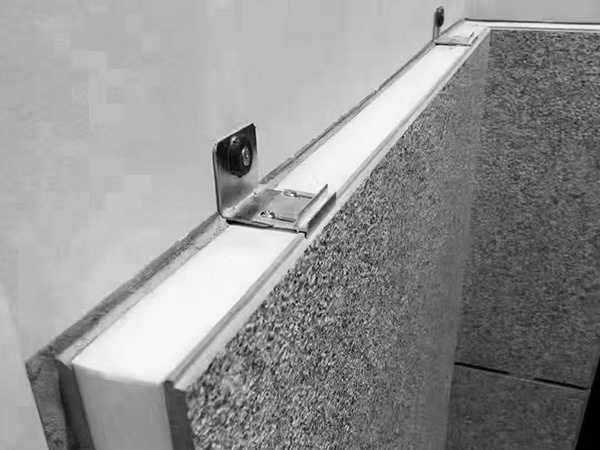
Real stone paint exterior wall insulation and decoration integrated board
-
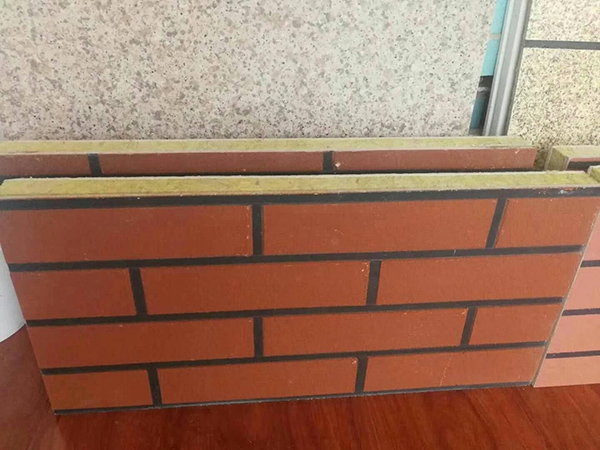
Real stone paint imitation brick polyurethane insulation integrated board
-
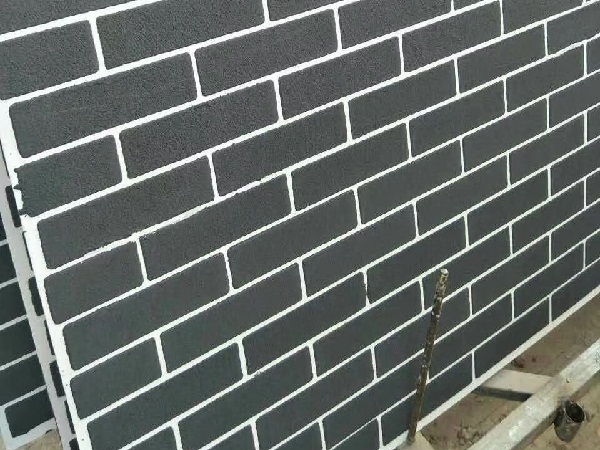
Extruded genuine stone paint imitation brick integrated board
-
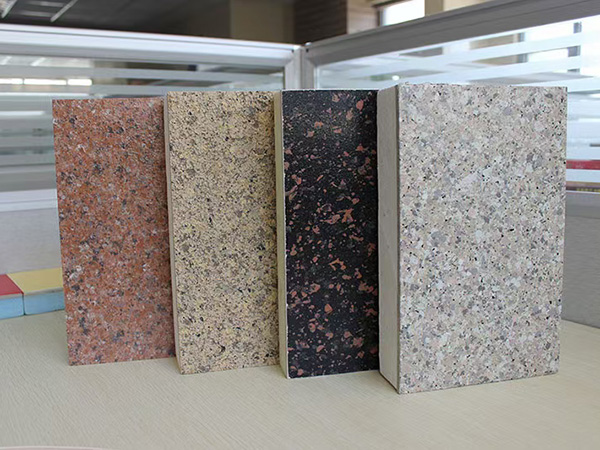
Imitation stone paint insulation decorative integrated board
-
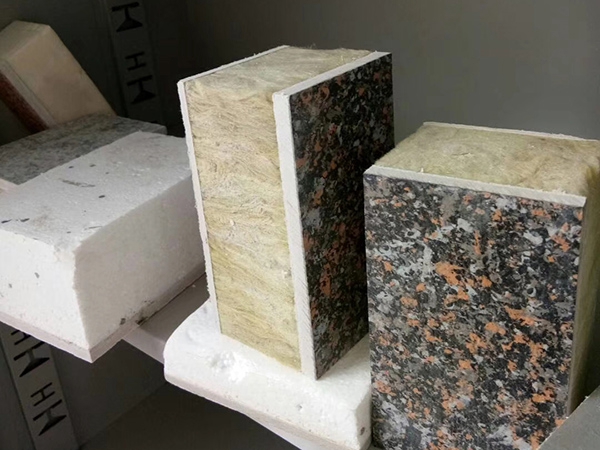
Colorful painted rock wool insulation decorative integrated board
-
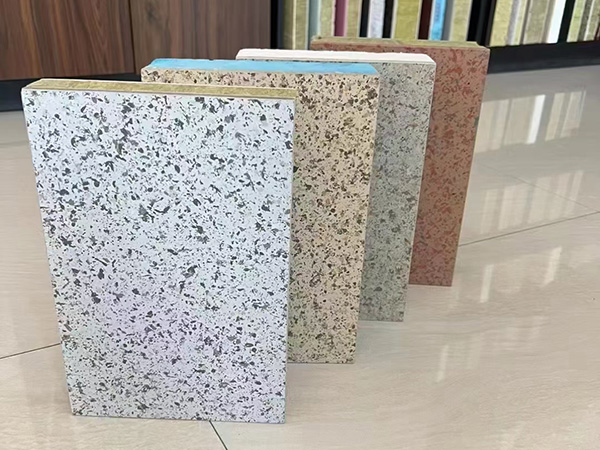
Imitation stone insulation decorative integrated board
Contact us
—— Contact:Manager
—— Tel:+86 15175677755
—— Email:644244139@qq.com
—— Url:https://www.dingminginsulation.com
—— Address:Liuyuanzhuang Village, Dacheng County, Langfang City, Hebei Province