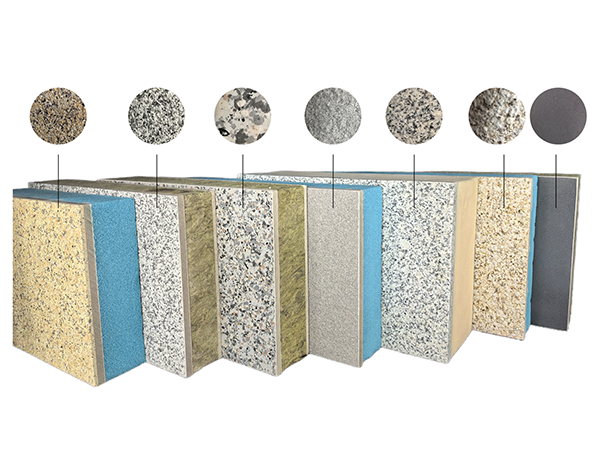

NewsDetails
EPS vs XPS Insulation Core Comparison for Integrated Decorative Panels
author:Dingming time:2026-09-07 19:03:00 Click:89
Expanded polystyrene (EPS) and extruded polystyrene (XPS) are two of the most widely used insulation core materials in exterior wall decorative integrated panels. While both materials belong to the polystyrene family, they have distinct manufacturing processes, physical properties, and performance characteristics that make each suitable for different applications. Understanding these differences is essential for architects, contractors, and building owners seeking the optimal insulation solution for their projects.
Manufacturing Processes: How EPS and XPS Differ
The fundamental difference between EPS and XPS lies in their manufacturing processes. EPS is produced by expanding polystyrene beads with a blowing agent, then molding them into blocks or boards[reference:44]. The beads fuse together while retaining their individual cellular structure, creating a material with closed cells but with some air spaces between the beads. This results in a material that is lightweight, cost-effective, and provides good thermal insulation.
XPS, in contrast, is manufactured through an extrusion process where polystyrene resin, additives, and a blowing agent are melted and forced through a die[reference:45]. This continuous extrusion creates a homogeneous closed-cell structure with no gaps between cells. The result is a material with higher density, greater compressive strength, and lower water absorption than EPS, albeit at a higher cost[reference:46].
Thermal Performance Comparison
Both EPS and XPS provide effective thermal insulation for building envelopes, but with some differences in performance. XPS typically offers slightly lower thermal conductivity than EPS, meaning it provides better insulation per unit thickness. However, the difference is relatively modest, and both materials can achieve excellent thermal performance when specified at appropriate thicknesses[reference:47].
Thermal performance depends not only on the material's intrinsic properties but also on installation quality and the overall wall assembly. Both EPS and XPS eliminate thermal bridging when installed as continuous insulation on exterior walls[reference:48]. Research comparing EPS and XPS in wall panel systems has shown that XPS can provide superior thermal efficiency in certain configurations[reference:49]. However, EPS often delivers comparable performance at a lower cost, making it a popular choice for many projects.
Moisture Resistance and Durability
Moisture resistance is a critical consideration for exterior wall insulation, and this is one area where XPS has a distinct advantage over EPS. The closed-cell structure of XPS results in very low water absorption, typically below 0.3 percent by volume. This makes XPS highly resistant to moisture infiltration and maintains its thermal performance even in wet conditions[reference:50].
EPS also has closed cells, but the gaps between expanded beads can allow some water absorption. However, modern EPS products incorporate additives and manufacturing improvements that significantly enhance moisture resistance. For most exterior wall applications, properly specified EPS provides adequate moisture protection when combined with appropriate weather barriers and drainage systems. The choice between EPS and XPS for moisture resistance often depends on the specific climate and exposure conditions of the project.
Compressive Strength and Structural Performance
XPS generally offers higher compressive strength than EPS, making it suitable for applications with greater structural demands. The extrusion process creates a dense, uniform material that can withstand significant loads without deformation. This makes XPS an excellent choice for below-grade applications, roofing systems, and areas where heavy loads may be applied to the insulation[reference:51].
EPS, while having lower compressive strength than XPS, still provides adequate structural performance for most exterior wall applications. The material's compressive strength can be increased by specifying higher-density EPS products. For standard wall cladding applications where the insulation is not subjected to heavy loads, EPS typically provides sufficient structural performance at a lower cost.
Fire Safety Considerations
Both EPS and XPS are organic materials and are inherently combustible. However, both can be manufactured with fire retardant additives to achieve improved fire performance. EPS and XPS used in building applications typically meet requirements for B1 or B2 fire ratings depending on the specific product and standards[reference:52].
For projects requiring non-combustible insulation, rock wool remains the preferred choice. However, for applications where organic insulation is acceptable, EPS and XPS with appropriate fire retardants can meet building code requirements. It's important to note that recent building code updates have introduced stricter requirements for exterior wall systems, particularly for buildings over 40 feet in height[reference:53]. Specifiers should verify that selected EPS or XPS products meet all applicable fire safety requirements for their specific project.
Environmental Considerations
Environmental impact has become an increasingly important factor in material selection. EPS is generally considered more environmentally friendly than XPS due to its lower manufacturing energy requirements and the fact that it can be manufactured with recycled content. EPS also has a lower global warming potential than XPS because the blowing agents used in EPS production have lower greenhouse gas impact than those used for XPS.
Both materials are recyclable, and many manufacturers offer recycling programs for construction waste. The lightweight nature of both EPS and XPS reduces transportation energy and associated emissions. When evaluating environmental impact, specifiers should consider the full lifecycle of the insulation material, including manufacturing, transportation, installation, and end-of-life disposal or recycling.
Applications and Suitability
The choice between EPS and XPS for decorative integrated panels depends on project-specific requirements. EPS is an excellent choice for most exterior wall applications where cost-effectiveness is a priority and moisture exposure is moderate. The material provides reliable thermal performance, good fire resistance with appropriate additives, and sufficient structural strength for wall cladding applications[reference:54].
XPS is preferred for applications where superior moisture resistance, higher compressive strength, or slightly better thermal performance is required. This includes below-grade applications, green roofs, areas with high water table, and projects with significant structural loads on the insulation[reference:55]. XPS is also a good choice for projects in cold climates where freeze-thaw cycles could compromise EPS performance.
Installation and Workability
Both EPS and XPS are relatively easy to work with on construction sites. Both materials can be cut with standard tools and are lightweight enough for easy handling. EPS is slightly softer and more forgiving during installation, while XPS is denser and more resistant to damage during handling. The factory-prefabricated nature of decorative integrated panels minimizes on-site cutting and handling, regardless of the core material selected[reference:56].
When selecting between EPS and XPS for integrated panels, the choice of supplier and manufacturer is as important as the material itself. Working with an experienced manufacturer ensures proper bonding between the core and facings, consistent quality control, and compliance with relevant standards. Quality manufacturers will provide detailed technical documentation and support to help specifiers make informed decisions.
Cost Considerations
Cost is often a determining factor in material selection, and EPS has a clear advantage in this regard. EPS is significantly less expensive than XPS on a per-unit-volume basis, making it the more cost-effective choice for most exterior wall applications. The cost difference reflects the simpler manufacturing process for EPS compared to the extrusion process required for XPS.
However, the total cost of the insulation system includes not only material costs but also installation, maintenance, and energy performance over the building's lifecycle. In some cases, the superior moisture resistance or slightly better thermal performance of XPS may justify the higher initial cost. A lifecycle cost analysis can help determine the most cost-effective choice for specific projects.
Conclusion
Both EPS and XPS offer effective insulation solutions for exterior wall decorative integrated panels, each with distinct advantages and trade-offs. EPS provides cost-effective thermal performance with good fire resistance, making it the preferred choice for most wall applications. XPS offers superior moisture resistance, higher compressive strength, and slightly better thermal performance at a higher cost. The optimal choice depends on project-specific requirements, including climate conditions, structural demands, fire safety requirements, and budget constraints. Working with an experienced manufacturer and supplier helps ensure the selected insulation core meets all performance and compliance requirements.
References
Comparative Thermal Evaluation of Two Systems of Wall Panels Exposed to Hot and Arid Arabian Environmental Weather Conditions. OUCI.
EXTERNAL THERMAL INSULATION COMPOSITE SYSTEM ATLAS CERAMIK. ATLAS.
External wall insulating decorative board and its manufacturing method. Google Patents.
GYGD保温隔热装饰一体板外墙外保温施工工法材料设备. 中建技术中心.
 Recommended Products
-
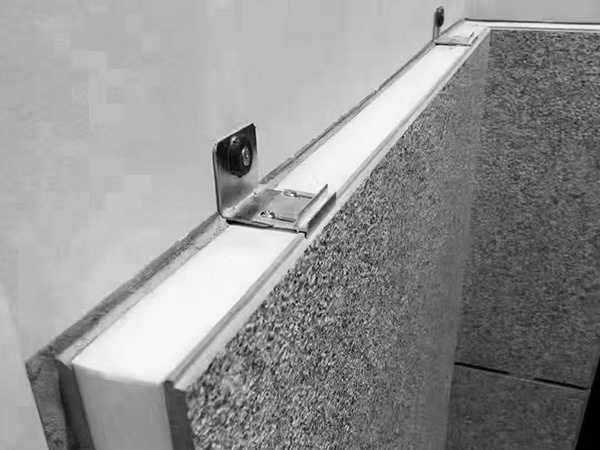
Real stone paint exterior wall insulation and decoration integrated board
-
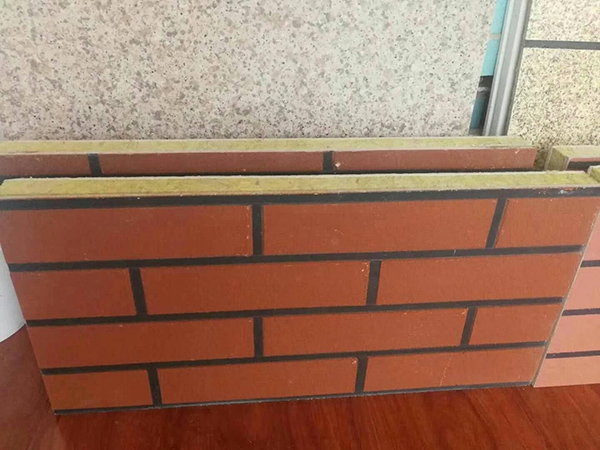
Real stone paint imitation brick polyurethane insulation integrated board
-
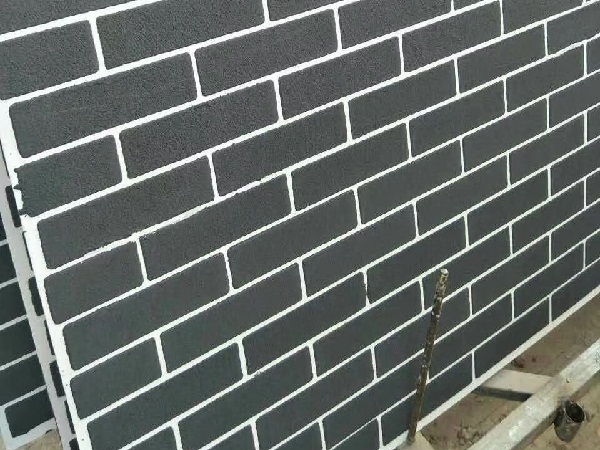
Extruded genuine stone paint imitation brick integrated board
-
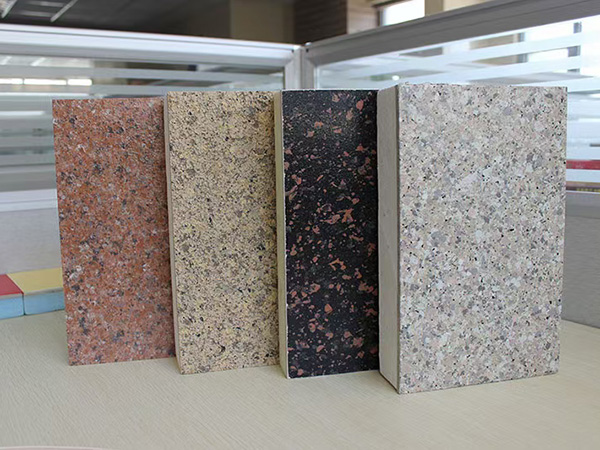
Imitation stone paint insulation decorative integrated board
-
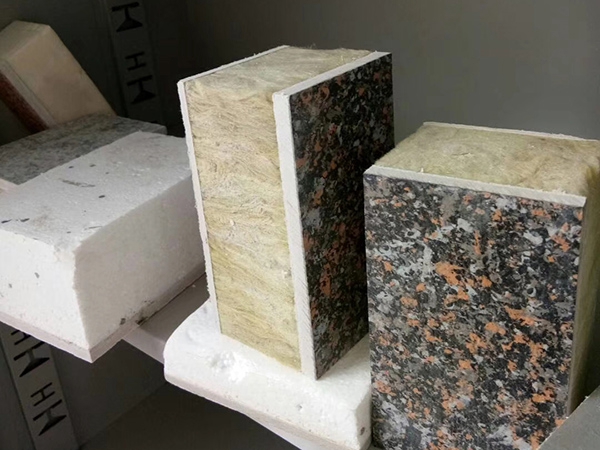
Colorful painted rock wool insulation decorative integrated board
-
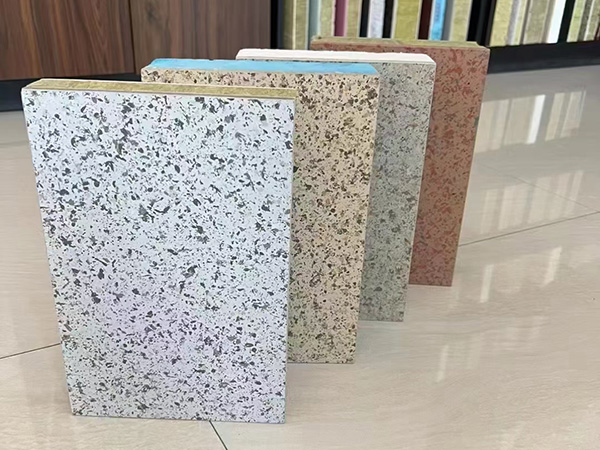
Imitation stone insulation decorative integrated board
Contact us
—— Contact:Manager
—— Tel:+86 15175677755
—— Email:644244139@qq.com
—— Url:https://www.dingminginsulation.com
—— Address:Liuyuanzhuang Village, Dacheng County, Langfang City, Hebei Province