
NewsDetails
Energy Efficiency in Buildings: The Critical Role of Insulated Wall Panels
author:Dingming time:2026-06-15 09:22:57 Click:164
Energy Efficiency in Buildings: The Critical Role of Insulated Wall Panels
Walk into any building constructed in the last decade, and you'll notice something significant—it feels comfortable without the HVAC system working overtime. That's the result of smarter building envelopes, where insulated wall panels have become essential for energy efficiency.
The numbers are compelling. Heating and cooling account for roughly 40% of a building's energy consumption. For commercial facilities and warehouses, those percentages translate into thousands of dollars annually. Insulated wall panels tackle this challenge by creating a thermal barrier that performs consistently year after year.
How Insulated Wall Panels Actually Work
Traditional construction relies on framing members that create thermal bridges—paths for heat to sneak through insulation. Insulated wall panels eliminate those bridges entirely. The insulation layer runs uninterrupted from one end of the wall to the other.
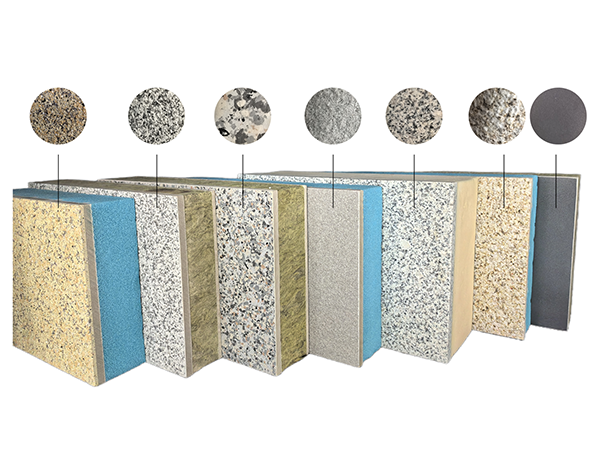
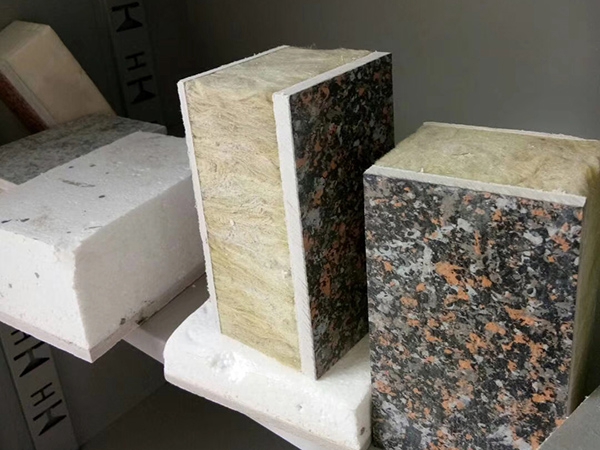
Quality panels achieve R-values that traditional stick-built walls can't match without wasting valuable floor space. The panel's core—polyisocyanurate, polyurethane, or mineral wool—resists heat transfer effectively. The facing materials add structural integrity while panel joints get sealed tight during installation. You end up with a wall system that doesn't just slow heat transfer; it stops it.
The Real-World Impact on Operating Costs
A well-designed insulated panel system typically reduces HVAC energy consumption by 20-40% compared to traditional construction. For a 50,000-square-foot facility, that often means annual energy savings of $15,000 to $25,000 depending on climate and utility rates.
The savings extend beyond heating and cooling. When your building maintains consistent temperatures, HVAC equipment lasts longer. Compressors cycle less frequently. Humidity levels stabilize, reducing mold risk and improving indoor air quality. These secondary benefits add up fast.
Most facility managers see full payback within 3-7 years. After that, it's pure savings. Unlike some energy upgrades requiring ongoing maintenance, insulated wall panels keep performing for decades with minimal intervention.
Beyond Energy: The Hidden Advantages
Energy efficiency gets attention, but insulated wall panels bring underappreciated benefits. Speed of construction tops the list. Panelized systems go up fast—days instead of weeks for comparable traditional construction. For developers watching carrying costs accumulate, that schedule acceleration has real financial value.
Acoustic performance matters too. The same dense insulation that blocks heat transfer also dampens sound transmission. Manufacturing facilities and buildings near noisy environments benefit enormously. You get quieter interiors without separate soundproofing measures.
Moisture management deserves mention. Properly designed panel systems incorporate vapor barriers that manage condensation effectively. When warm, moist indoor air hits a cold wall surface, condensation forms. Quality panels keep interior surfaces warm enough to prevent the condensation cycle that leads to mold and air quality problems.
Choosing the Right System for Your Project
Not all insulated wall panels deliver equal performance. The manufacturer you choose matters enormously. Some suppliers cut corners on insulation density or use facing materials that degrade under UV exposure. Established manufacturers have built reputations on panels that perform as advertised years after installation.
When evaluating systems, look beyond the R-value sticker. Consider the whole assembly—how do panels connect? What's the thermal bridging at seams? How does the system handle thermal expansion? A panel might have excellent lab-tested R-values, but if installation creates thermal bridges at every anchor point, you're losing real-world performance.
Climate drives panel selection. A system perfect for mild coastal conditions might fail in freeze-thaw cycles or extreme temperature swings. Experienced suppliers understand these nuances and guide you toward appropriate specifications rather than pushing standard products.
Building use matters too. Food processing facilities need smooth, cleanable surfaces with high thermal performance. Warehouses might prioritize cost-effectiveness over ultimate R-values. Office buildings need aesthetic flexibility alongside performance. Working with knowledgeable suppliers beats buying off-the-shelf every time.
Looking Ahead: Building Envelope Evolution
Building codes keep raising the bar on energy performance. ASHRAE 90.1 and the International Energy Conservation Code push designers toward better envelopes. Insulated wall panels aren't just upgrades anymore—in many climate zones, they're the only practical way to meet code without overbuilding wall thickness.
Sustainability certifications like LEED reward measurable energy performance. Insulated panels contribute directly to those goals. Some systems even incorporate recycled content for projects chasing higher certification levels.
The technology keeps improving. New insulation formulations deliver higher R-values with thinner profiles. Connection systems minimize thermal bridging while speeding installation. For building owners serious about energy performance, insulated wall panels deliver value that traditional construction methods struggle to match.
References
U.S. Department of Energy. "Energy Efficiency in Commercial Buildings." Building Technologies Office, 2023.
ASHRAE. "ANSI/ASHRAE/IES Standard 90.1-2022: Energy Standard for Sites, Buildings, and Systems." American Society of Heating, Refrigerating and Air-Conditioning Engineers, 2022.
North American Insulation Manufacturers Association. "Insulation Matters: Energy Efficiency and Building Performance." NAIMA Technical Publications, 2023.
International Energy Conservation Code. "IECC 2021: Energy Conservation Provisions for Commercial Buildings." International Code Council, 2021.
U.S. Green Building Council. "LEED v4.1 Building Design and Construction Reference Guide." USGBC, 2022.
 Recommended Products
-
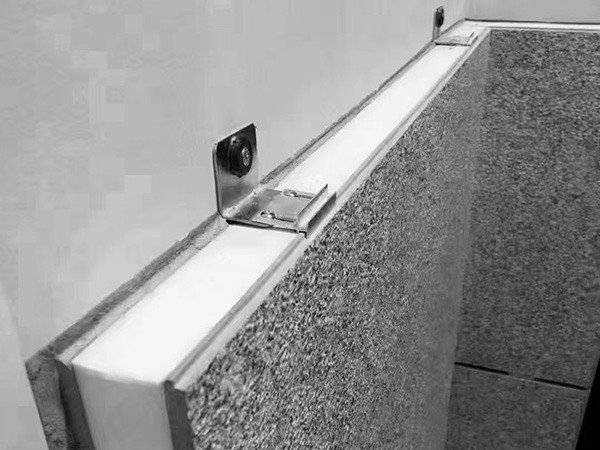
Real stone paint exterior wall insulation and decoration integrated board
-
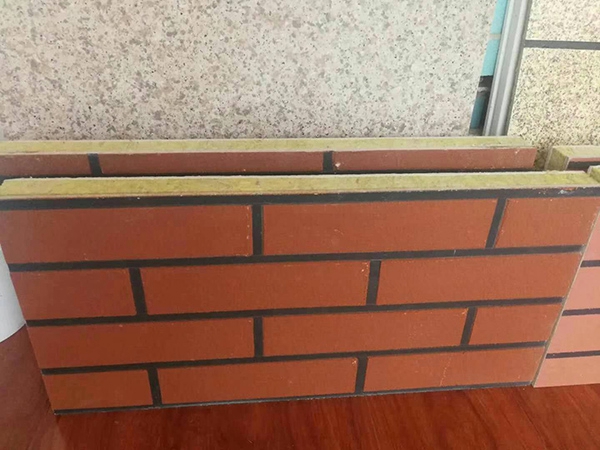
Real stone paint imitation brick polyurethane insulation integrated board
-
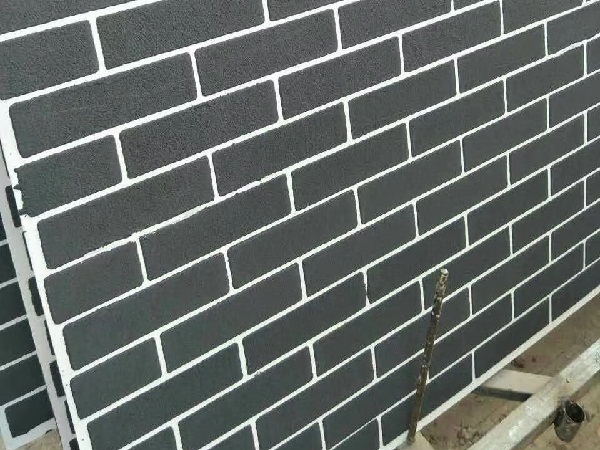
Extruded genuine stone paint imitation brick integrated board
-
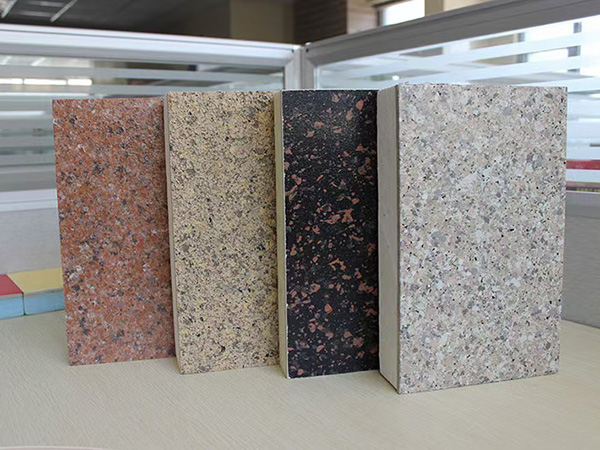
Imitation stone paint insulation decorative integrated board
-
Colorful painted rock wool insulation decorative integrated board
-
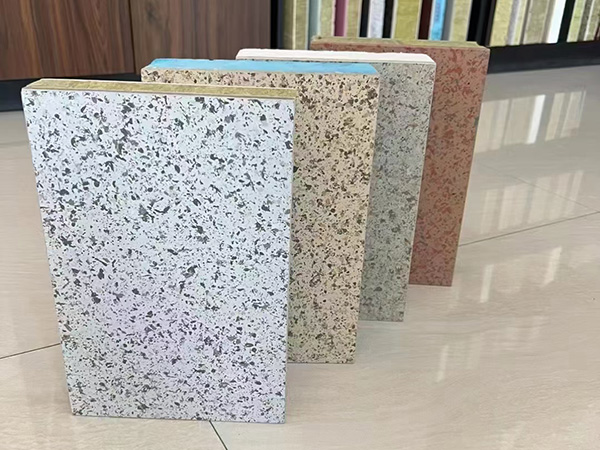
Imitation stone insulation decorative integrated board
Contact us
—— Contact:Manager
—— Tel:+86 15175677755
—— Email:644244139@qq.com
—— Url:https://www.dingminginsulation.com
—— Address:Liuyuanzhuang Village, Dacheng County, Langfang City, Hebei Province