
NewsDetails
Exterior Wall Insulation Decorative Integrated Panel: Complete Guide for Modern Construction
author:Dingming time:2026-09-07 18:55:27 Click:87
The construction industry has witnessed a significant transformation in recent years, with exterior wall insulation decorative integrated panels emerging as one of the most innovative solutions for building facades. These factory-prefabricated composite panels combine high-performance thermal insulation with durable decorative finishes in a single integrated system, eliminating the need for separate insulation and cladding layers[reference:0]. For contractors, architects, and building owners seeking efficient energy-saving solutions, understanding the complete picture of these panels is essential for making informed decisions.
What Is an Exterior Wall Insulation Decorative Integrated Panel?
An exterior wall insulation decorative integrated panel—also referred to as an insulated decorative panel or insulation decorative integrated composite board—is a revolutionary building material that integrates insulation, decoration, and protection functions into one factory-made product[reference:1]. Unlike traditional multi-layer wall systems that require separate installation of insulation, weather barriers, and decorative finishes, these panels arrive at the construction site as complete, ready-to-install units.
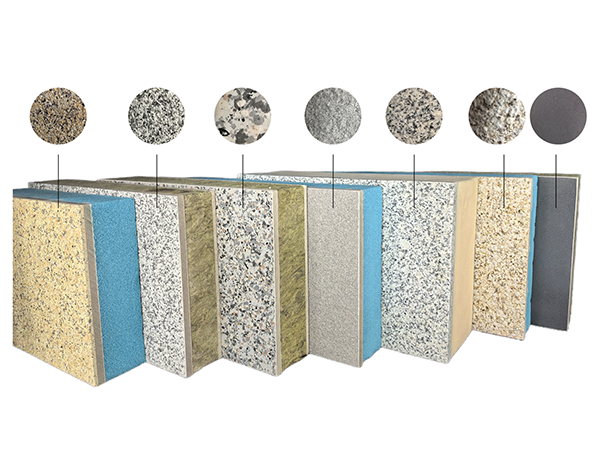
The panel typically features a multi-layer engineered structure consisting of a decorative facing layer, a reinforcement panel, an insulation core layer, and an optional backboard[reference:2]. This integrated design dramatically simplifies exterior wall construction while delivering superior energy savings and aesthetic appeal. The insulation core can be customized with various materials including rock wool, polyurethane, or graphite polystyrene, paired with metal, calcium silicate, ceramic thin sheet, or aluminum composite facings[reference:3].
Key Components of Integrated Insulation Panels
Understanding the component layers of these panels helps explain their exceptional performance. The decorative surface layer provides the building's visual appearance and weather protection, available in finishes ranging from metal coatings to ceramic thin sheets and aluminum composite panels[reference:4]. This layer must withstand temperature variations from -40°C to +50°C without damage, ensuring long-term durability across diverse climate conditions[reference:5].
The insulation core is the functional heart of the panel, determining thermal performance and fire safety. Rock wool cores offer A1-level non-combustible fire protection with thermal conductivity not exceeding 0.040 W/(m·K)[reference:6]. Polyurethane cores provide even lower thermal conductivity between 0.018 and 0.024 W/(m·K), making them exceptionally efficient for energy conservation[reference:7]. Graphite polystyrene offers an excellent balance of performance and cost-effectiveness for various climate zones[reference:8].
How These Panels Simplify Construction
One of the most compelling advantages of exterior wall insulation decorative integrated panels is their impact on construction efficiency. Traditional exterior wall systems may require up to twelve separate installation steps, but integrated panels reduce this to approximately six steps[reference:9]. The factory-prefabricated nature of these panels ensures consistent quality control and eliminates weather-related delays that often plague on-site construction.
Installation typically follows a bonding and anchoring method. Panels are attached to the base wall using a combination of adhesive mortar and mechanical anchors[reference:10]. For high-rise applications, a dry-hanging system with aluminum alloy brackets provides additional security[reference:11]. The streamlined installation process can reduce construction periods significantly—some manufacturers report completion of 1,000 square meters in just five to eight days with material loss rates below two percent[reference:12].
Energy Efficiency and Building Performance
Buildings account for a substantial portion of global energy consumption, making envelope efficiency a critical priority. Exterior wall insulation decorative integrated panels deliver measurable energy savings by reducing thermal bridging and maintaining consistent insulation performance over decades. High-quality integrated panels can reduce building energy consumption by 30 to 50 percent and maintain stable insulation effects for 20 to 30 years[reference:13].
The continuous insulation provided by these panels eliminates gaps and thermal bridges common in traditional cavity wall systems. This uninterrupted thermal barrier keeps interior temperatures stable, reducing heating and cooling loads throughout the year. For building owners, this translates directly into lower utility bills and improved occupant comfort, making the initial investment in quality integrated panels highly cost-effective over the building's lifecycle.
Applications Across Building Types
The versatility of exterior wall insulation decorative integrated panels makes them suitable for an extraordinary range of building projects. New building exterior walls—including prefabricated houses, commercial complexes, and high-rise facades—benefit from the speed and quality of factory-made panels[reference:14]. Building renovation projects use these panels to upgrade old structures with modern energy efficiency and aesthetic appeal[reference:15].
Special environments such as cold regions, hospitals, schools, and high-noise areas particularly benefit from the thermal and acoustic insulation properties of these panels[reference:16]. Light steel villas, guard booths, and industrial facilities also utilize these fast-installation panels for durable insulation and decoration[reference:17]. High-rise and super high-rise buildings can safely incorporate these panels thanks to advanced anchoring systems designed specifically for tall structures[reference:18].
Fire Safety and Building Code Compliance
Fire safety remains a paramount concern in exterior wall systems, and integrated panels address this with robust performance characteristics. Panels with rock wool cores and inorganic facings achieve A-level non-combustible fire ratings[reference:19]. This classification meets the most stringent international building codes, including requirements for buildings over 40 feet in height[reference:20].
Recent updates to building codes have introduced stricter requirements for exterior cladding systems. The 2024 International Building Code includes new provisions for NFPA 285 testing of metal-faced panels with combustible adhesives[reference:21]. Quality manufacturers ensure their integrated panels meet or exceed these evolving standards, providing building owners and developers with confidence in their facade systems' fire safety performance.
Why Choose Factory-Made Integrated Panels
The factory production environment offers advantages that on-site construction simply cannot match. Precise temperature and humidity control during manufacturing ensures consistent bonding and curing. Automated quality control systems verify each panel's dimensions, adhesion strength, and surface finish before leaving the factory[reference:22]. This level of quality assurance is difficult to achieve with traditional multi-layer, on-site construction methods.
Factory-made panels also reduce construction waste and environmental impact. Dust-free workshop production minimizes emissions[reference:23], and the precise factory cutting reduces material waste at the job site. For developers pursuing green building certifications, these environmental benefits contribute valuable points toward LEED, BREEAM, and other sustainability rating systems.
Selecting the Right Supplier and Manufacturer
Choosing a reliable supplier and manufacturer is crucial for project success. Building owners and contractors should look for manufacturers with proven experience in producing integrated insulation panels, comprehensive quality control systems, and the ability to customize products for specific project requirements. A reputable manufacturer will provide detailed technical documentation, including thermal performance data, fire rating certifications, and installation guidelines.
Working directly with a manufacturer rather than through multiple intermediaries ensures better communication, clearer specifications, and more reliable supply chains. Many leading manufacturers offer technical support throughout the project, from initial design consultation through installation supervision. This partnership approach helps avoid costly mistakes and ensures the finished facade meets performance expectations.
Conclusion
Exterior wall insulation decorative integrated panels represent a significant advancement in building envelope technology. By combining insulation, decoration, and protection in a single factory-made product, these panels simplify construction, improve energy efficiency, and enhance building aesthetics. As building codes become more stringent and energy efficiency requirements increase, the adoption of integrated panel systems will likely continue to grow across residential, commercial, and industrial construction sectors worldwide.
References
HUANA Material. Insulation and Decoration Integrated Board Product Overview.
CN224478670U – A thermal insulation and decorative integrated installation panel. Patsnap Eureka.
ICC. Beyond the Wall: Decoding the 2024 International Building Code and NFPA 285 Fire Safety Evolution.
 Recommended Products
-
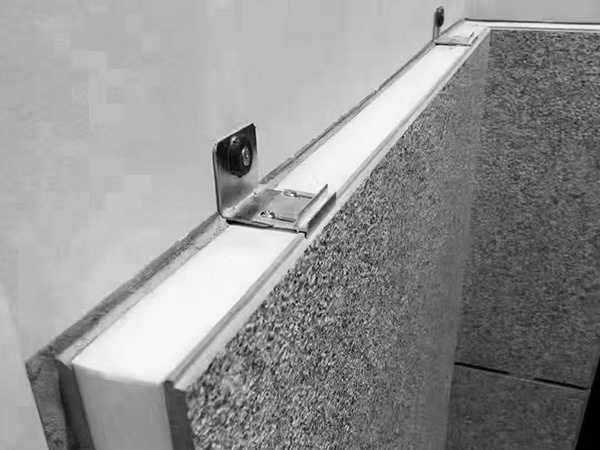
Real stone paint exterior wall insulation and decoration integrated board
-
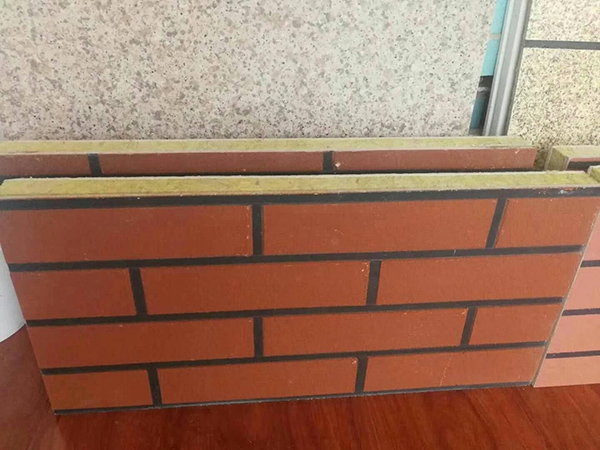
Real stone paint imitation brick polyurethane insulation integrated board
-
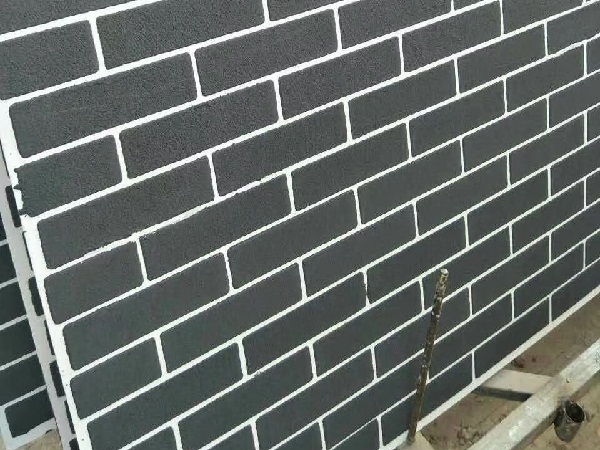
Extruded genuine stone paint imitation brick integrated board
-
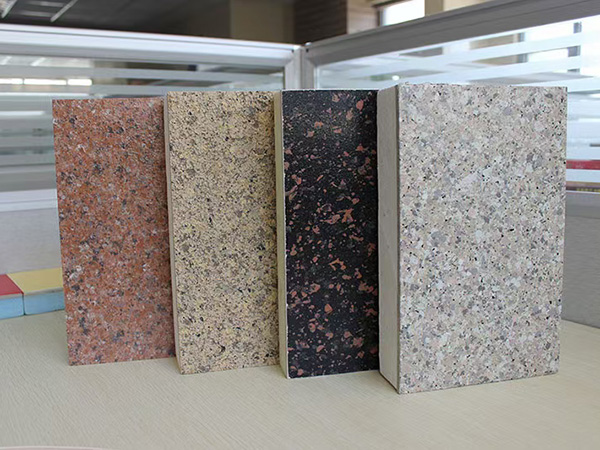
Imitation stone paint insulation decorative integrated board
-
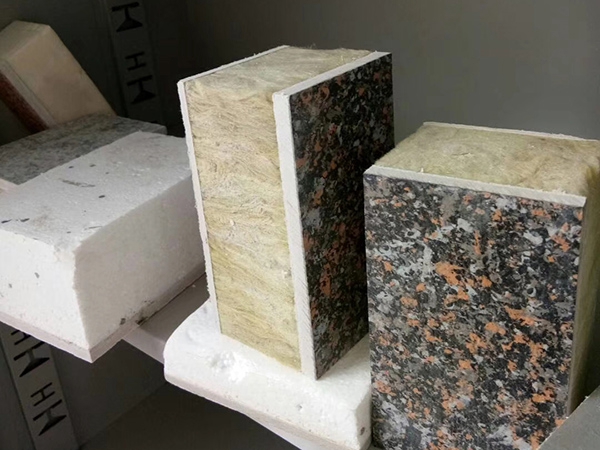
Colorful painted rock wool insulation decorative integrated board
-
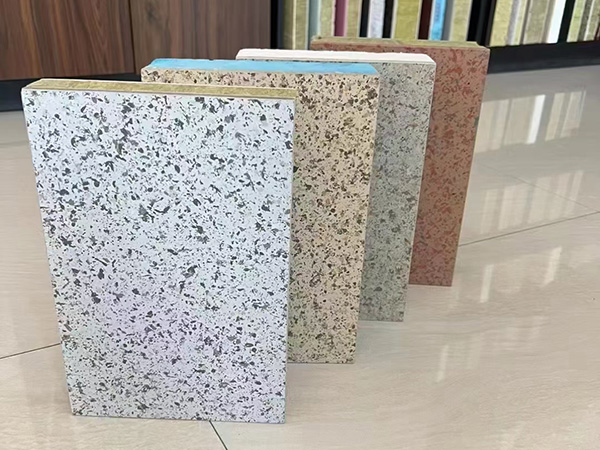
Imitation stone insulation decorative integrated board
Contact us
—— Contact:Manager
—— Tel:+86 15175677755
—— Email:644244139@qq.com
—— Url:https://www.dingminginsulation.com
—— Address:Liuyuanzhuang Village, Dacheng County, Langfang City, Hebei Province