
NewsDetails
Fire Resistance and Safety Features of Modern Insulation Materials
author:Dingming time:2026-06-30 14:54:44 Click:97
The Critical Importance of Fire-Resistant Insulation
Fire safety ranks among the most critical considerations in building design and construction. Insulation materials directly influence how buildings perform during fire events, affecting occupant safety, property protection, and structural integrity. Modern fire-resistant insulation materials provide essential protection while delivering the thermal performance that contemporary energy codes require.
The manufacturer develops insulation products specifically engineered for fire performance, incorporating materials and designs that resist flame spread and maintain structural integrity during fire exposure. These products undergo rigorous testing to verify compliance with building codes and safety standards. A reputable supplier provides documentation demonstrating fire ratings and installation requirements.
Building professionals must understand fire resistance characteristics when specifying insulation for various applications. Different occupancy types, building heights, and assembly configurations demand appropriate material selections to meet code requirements and protect building occupants.
Understanding Fire Ratings and Classifications
Fire ratings describe how materials perform under standardized test conditions, typically measuring flame spread, smoke development, and structural integrity during fire exposure. The most common classification system rates materials on a scale from Class A (best fire performance) to Class C (minimum acceptable performance). Many insulation materials achieve Class A ratings when properly installed with appropriate thermal barriers.
The manufacturer tests products according to standardized protocols such as ASTM E84 or equivalent international standards. These tests measure how quickly flames spread across material surfaces and how much smoke materials produce when burning. The supplier provides test reports and classification documentation supporting specification decisions.
Building codes specify minimum fire classifications for different applications and occupancy types. Understanding these requirements ensures appropriate material selection for specific project conditions and regulatory compliance.
Non-Combustible Insulation Options
Certain insulation materials qualify as non-combustible, meaning they do not burn or contribute fuel to fires even under direct flame exposure. Mineral wool, including rock wool and slag wool, represents the primary non-combustible insulation category. These materials withstand temperatures exceeding 1000 degrees Celsius without igniting, providing exceptional fire protection.
The manufacturer produces mineral wool insulation in various densities and forms suitable for different applications. These materials combine thermal insulation with acoustic control and fire resistance in a single product. The supplier can recommend appropriate products for fire-rated wall and floor-ceiling assemblies.
Buildings requiring maximum fire protection, such as hospitals, schools, and high-rise structures, often specify non-combustible insulation throughout. This approach provides redundancy in fire protection, ensuring that insulation materials do not contribute to fire development or spread.
Fire-Retardant Foam Insulation
Many foam insulation materials incorporate fire retardants that improve their fire performance beyond what base polymers would provide. These additives interrupt combustion processes, slowing flame spread and reducing smoke production. Fire-retardant treatments enable foam insulation products to meet building code requirements when properly installed with thermal barriers.
The manufacturer formulates products to achieve specific fire classifications while maintaining thermal performance. Different product lines may offer varying fire performance characteristics suited to different applications. The supplier provides guidance on appropriate product selection for specific fire rating requirements.
Proper installation proves essential for achieving rated fire performance. Building codes typically require thermal barriers such as gypsum wallboard over foam insulation in occupied spaces, providing additional fire protection beyond the insulation material itself.
Fire-Rated Assembly Design
Fire performance depends on complete assembly design rather than individual material properties alone. Wall and floor-ceiling assemblies combine multiple materials, each contributing to overall fire resistance. Understanding assembly design principles enables construction professionals to achieve required fire ratings while optimizing other performance characteristics.
The manufacturer often provides design details and assembly specifications that have been tested and rated by independent laboratories. These designs demonstrate proven performance under fire conditions. The supplier relationship includes technical support for assembly detailing and specification development.
Fire-rated assemblies must be constructed exactly as tested to achieve their rated performance. Deviations from tested designs may void fire ratings, potentially creating liability issues and code violations. Quality installation proves as important as quality products.
Smoke and Toxic Gas Considerations
Fire fatalities often result from smoke inhalation rather than direct thermal exposure. Insulation materials that produce less smoke during fire events contribute to improved occupant safety. Smoke development ratings provide information about how much smoke materials produce when exposed to fire.
The manufacturer tests products for smoke development characteristics, with documentation available through the supplier. Some products achieve low smoke development ratings, making them particularly suitable for applications where smoke production concerns are paramount.
Toxic gas production during fires represents another safety consideration. Some materials release toxic gases when heated, while others produce primarily carbon dioxide and water vapor. Understanding these characteristics helps designers select appropriate materials for various occupancy types and safety requirements.
Fire Protection Beyond Insulation
Complete building fire protection extends beyond insulation material selection. Intumescent coatings, firestops, fire doors, and suppression systems work together to protect buildings and occupants. Insulation materials form one component of comprehensive fire safety strategies.
The manufacturer may produce fire protection products beyond insulation, including firestops and fire-resistant coatings. The supplier can provide complete fire protection solutions that work together effectively.
Coordinating all fire protection systems ensures comprehensive coverage without gaps that could allow fire spread. Building professionals must consider how insulation materials interact with other fire protection systems to achieve overall safety objectives.
Conclusion
Fire resistance represents a critical characteristic of modern insulation materials. Understanding fire ratings, material options, and assembly design principles enables construction professionals to make appropriate selections for specific project requirements.
Working with knowledgeable manufacturers and suppliers ensures access to fire-tested products and technical support for proper installation. Building fire safety depends on both quality materials and quality workmanship, making the manufacturer-contractor partnership essential for successful outcomes.
References
National Fire Protection Association (NFPA). (2022). Fire Protection in Building Construction. NFPA Publications.
International Code Council. (2021). International Building Code - Fire Safety Requirements. ICC Publications.
Underwriters Laboratories. (2021). Fire Resistance Ratings of Insulation Materials. UL Publications.
American Society for Testing and Materials. (2022). Standard Test Methods for Fire Performance. ASTM Publications.
National Research Council Canada. (2021). Fire Performance of Building Insulation. NRC Publications.
 Recommended Products
-
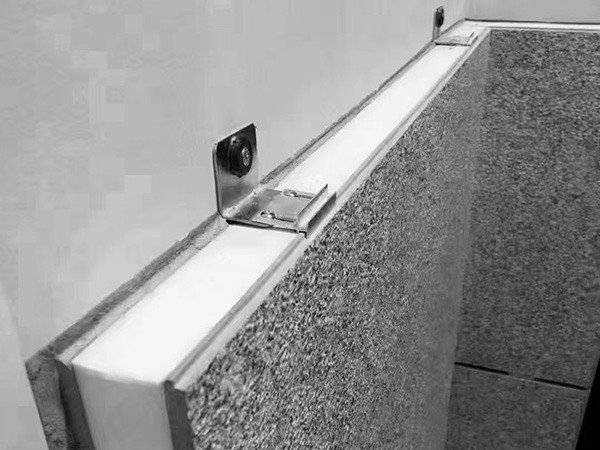
Real stone paint exterior wall insulation and decoration integrated board
-
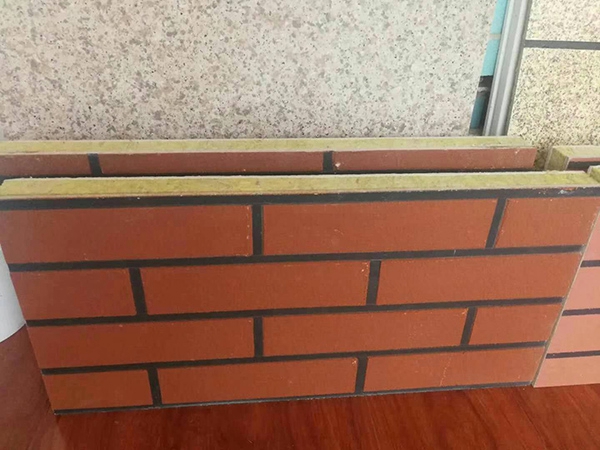
Real stone paint imitation brick polyurethane insulation integrated board
-
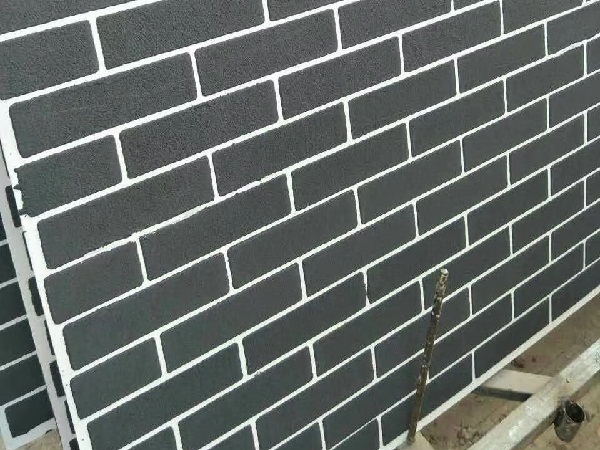
Extruded genuine stone paint imitation brick integrated board
-
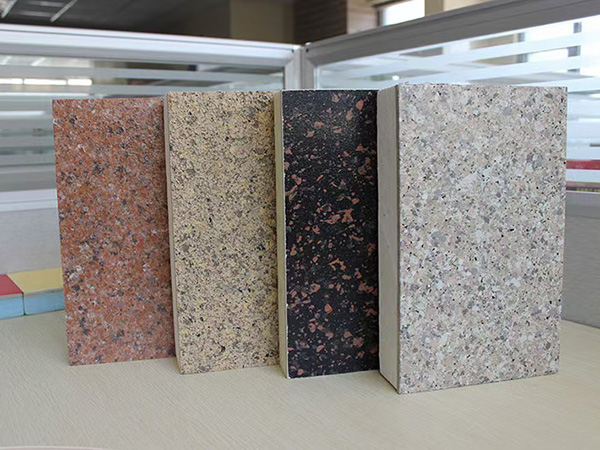
Imitation stone paint insulation decorative integrated board
-
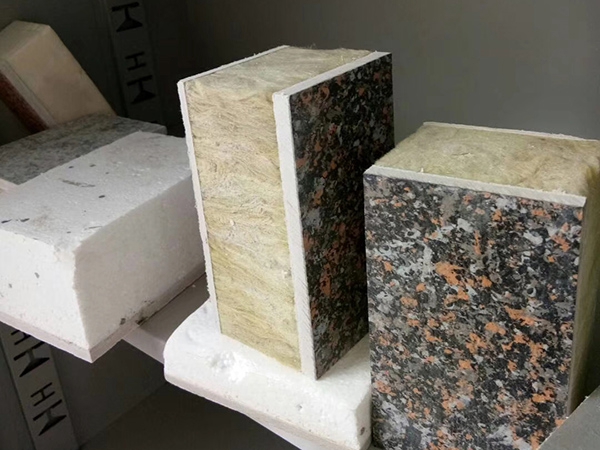
Colorful painted rock wool insulation decorative integrated board
-
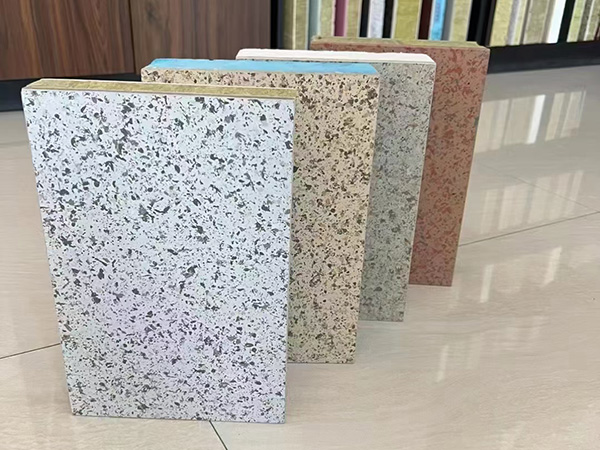
Imitation stone insulation decorative integrated board
Contact us
—— Contact:Manager
—— Tel:+86 15175677755
—— Email:644244139@qq.com
—— Url:https://www.dingminginsulation.com
—— Address:Liuyuanzhuang Village, Dacheng County, Langfang City, Hebei Province