
NewsDetails
How Inorganic Pre-coated Boards Transform Interior Wall Design
author:Dingming time:2026-06-18 10:17:36 Click:95
Walk into any recently renovated commercial building or high-end residential project, and you'll notice something different about the walls. They're smoother, more vibrant, and haven't needed repainting since installation. That's the quiet revolution of inorganic pre-coated boards, a material that's reshaping how we think about interior wall design.
What Makes These Boards Different?
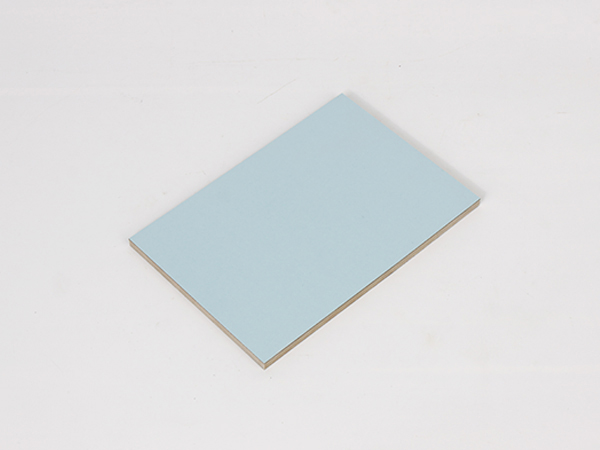
Traditional wall treatments follow a predictable script: install substrate, apply primer, paint, maybe add wallpaper, then repeat every few years when wear catches up. Inorganic pre-coated boards flip that script entirely. These aren't standard drywall sheets with a decorative face. They're engineered panels—typically calcium silicate, fiber cement, or magnesium oxide—that come factory-finished with the decorative surface already bonded to the substrate.
The "pre-coated" part is key. Manufacturers apply high-performance coatings—often PVDF, polyester, or specialized decorative films—under controlled industrial conditions. This isn't a contractor with a paint sprayer in a dusty workspace. It's precision application at the factory level, which means the finish is uniformly thick, properly cured, and resistant to the inconsistencies that plague field-applied finishes.
The Durability Factor That Changes Everything
Here's where practical advantages become impossible to ignore. Inorganic substrates don't feed mold. They don't swell when HVAC systems falter during humid summers. They're non-combustible, which matters in both code compliance and actual fire safety. And because the coating is factory-applied, you're not dealing with adhesion failures that happen when paint meets poorly prepared walls.
Quality pre-coated boards maintain their finish for decades. The surfaces shrug off scuffs in high-traffic corridors, resist fading from UV exposure, and handle cleaning cycles that would strip standard painted walls. The inorganic core also addresses indoor air quality concerns—unlike some organic-based panels that off-gas over time, quality inorganic boards are inert and don't contribute to VOC loads in occupied spaces.
Design Flexibility Without the Headaches
Early pre-coated boards had limited options—mostly industrial whites and beiges. Today, the range includes wood grains that fool the eye, stone textures that feel authentic, metallic finishes, and solid colors matching commercial paint systems. Designers are layering these boards creatively, mixing panel types for visual interest while using concealed fastening systems that maintain clean lines without visible mechanical fixings.
There's also a speed advantage. A typical interior fit-out with conventional finishes might take weeks of sequential trades. Pre-coated boards collapse that timeline. The boards go up, edges get treated if needed, and the space is visually complete. For commercial clients counting downtime in lost revenue, that acceleration is genuine.
Where They're Actually Being Used
Healthcare interiors have adopted these boards for infection control—the non-porous surface cleans easily and doesn't harbor bacteria the way painted gypsum board joints can. Educational facilities value impact resistance; a pre-coated board handles stray backpacks or chair bumps better than most alternatives. Retail environments have found particular value in branding possibilities, with colors aligning with brand guidelines and updatable without the mess of stripping paint or removing wallpaper.
Even residential applications are growing, particularly in high-moisture areas. Instead of tiling a bathroom entirely, some designers use pre-coated boards as lower-maintenance alternatives. The aesthetic can mimic tile patterns or provide clean, modern surfaces that pair with tile accents. For clients prioritizing easy maintenance, it's worth considering.
Installation Realities and Limitations
Let's be honest about downsides. First, upfront cost per square meter is higher than painted drywall. You're paying for factory finishing and engineered performance. The economic case usually rests on lifecycle cost—factoring in repainting cycles, maintenance, and replacement—but initial capital outlay can hurdle budget-constrained projects.
Installation requires skill. These aren't materials for general laborers experimenting on live projects. The substrate needs proper support framing, and panels require careful handling to avoid edge damage. That said, once a crew is trained, installation speed becomes real. It's a front-loaded learning curve paying off in later projects.
There's also repairability questions. A scratched painted wall? Spot-prime and paint. A damaged pre-coated board? You're likely replacing the panel. That means planning for access and spare panels in original finish, but most suppliers provide batch-matched replacements with forward thinking from project teams.
Looking Ahead
The trajectory seems clear. As building owners become sophisticated about lifecycle costs and design expectations rise, traditional wall finish limitations become apparent. Inorganic pre-coated boards aren't universal replacements for every wall treatment, but they've earned places in specifier toolkits. If you're evaluating wall finish options, get samples in hand. See how light hits surfaces, check touch-and-feel, and talk to suppliers who walk you through real-world performance data.
References
1. "Performance Assessment of Inorganic Building Boards in Interior Applications," Journal of Architectural Engineering, Vol. 28, Issue 3, 2022.
2. "Lifecycle Cost Analysis of Alternative Wall Finish Systems in Commercial Construction," Building and Environment, Elsevier, 2023.
3. "Indoor Air Quality Implications of Modern Cladding Materials," International Journal of Environmental Research and Public Health, MDPI, 2023.
4. "Durability and Maintenance of Factory-Applied Coatings for Interior Building Substrates," Construction and Building Materials, Vol. 415, 2024.
5. ASTM C1186-08(2020), "Standard Specification for Flat Fiber-Cement Boards," ASTM International.
 Recommended Products
-
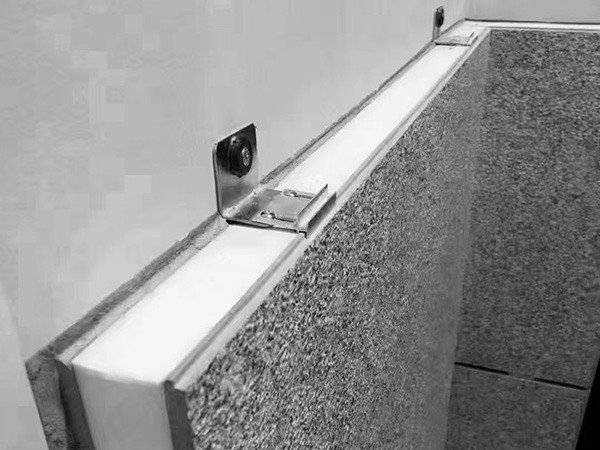
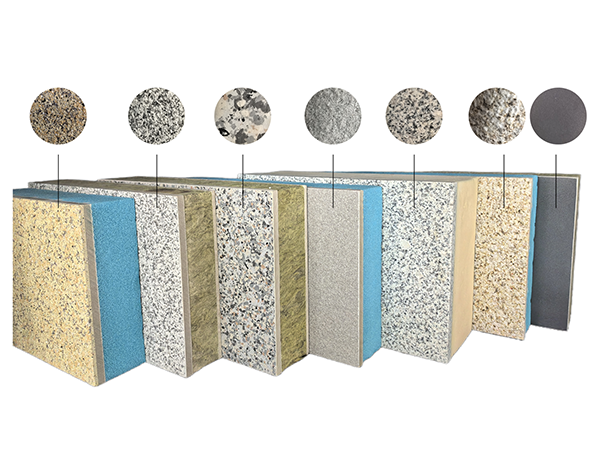
Real stone paint exterior wall insulation and decoration integrated board
-
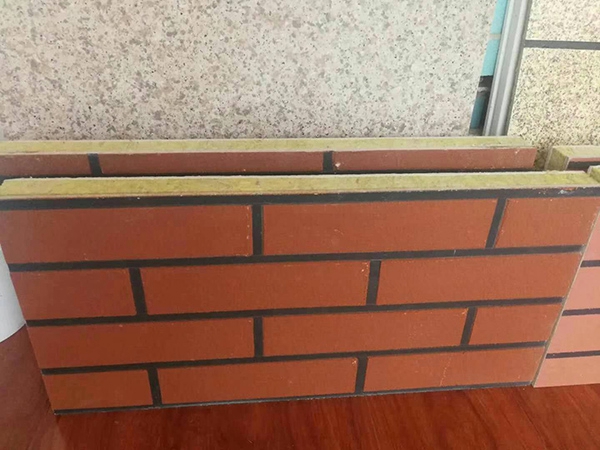
Real stone paint imitation brick polyurethane insulation integrated board
-
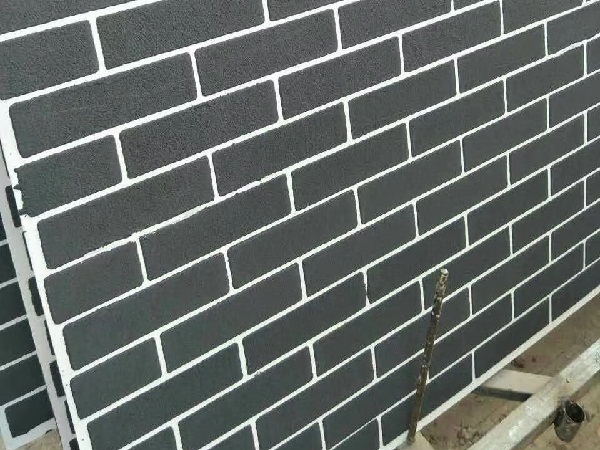
Extruded genuine stone paint imitation brick integrated board
-
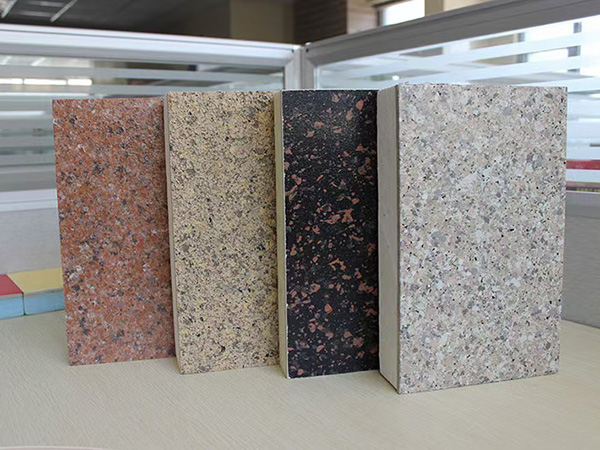
Imitation stone paint insulation decorative integrated board
-
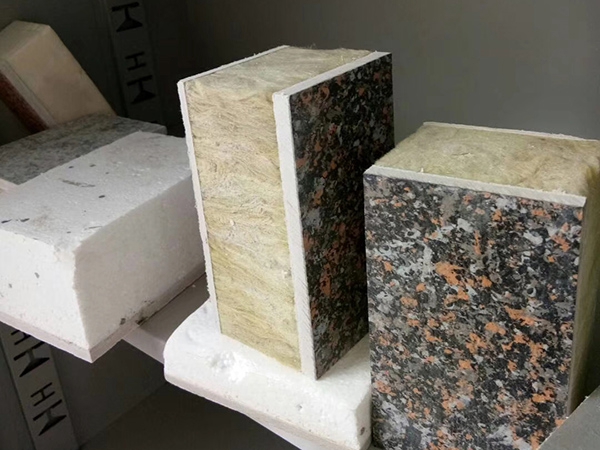
Colorful painted rock wool insulation decorative integrated board
-
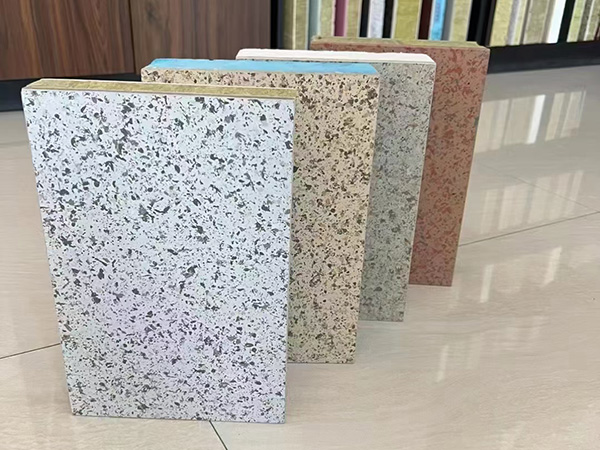
Imitation stone insulation decorative integrated board
Contact us
—— Contact:Manager
—— Tel:+86 15175677755
—— Email:644244139@qq.com
—— Url:https://www.dingminginsulation.com
—— Address:Liuyuanzhuang Village, Dacheng County, Langfang City, Hebei Province