
NewsDetails
Imitation Stone Insulation Decorative Panels Design Benefits
author:Dingming time:2026-07-03 17:47:51 Click:117
The Rise of Imitation Stone Decorative Panels
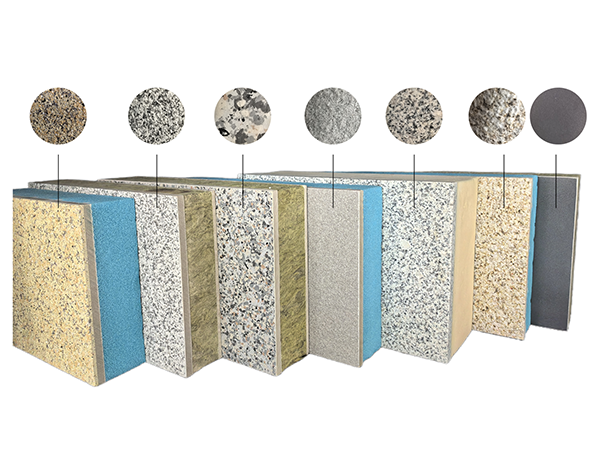
Modern architectural design increasingly demands materials that deliver aesthetic impact without the practical limitations of natural stone. Imitation stone insulation decorative panels have emerged as a sophisticated solution, offering the visual appeal of natural stone combined with superior thermal performance. These factory-manufactured systems eliminate the weight, cost, and installation complexity that traditionally limited stone use in construction.
A quality manufacturer produces panels that authentically replicate the texture, color variations, and visual depth of natural stone. Advanced molding techniques capture the subtle variations that make natural stone visually compelling, while the integrated insulation core provides thermal benefits impossible with solid stone installations.
The supplier market for imitation stone panels has expanded significantly as construction professionals recognize their value proposition. These products serve diverse applications from residential facades to commercial exteriors, enabling design visions that would otherwise require impractical material selections.
Thermal Performance Advantages
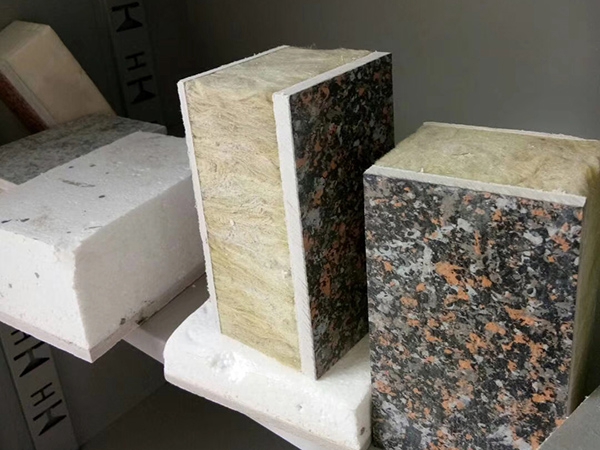
Unlike natural stone, which provides minimal thermal resistance, imitation stone panels incorporate high-performance insulation cores. This integrated approach delivers the aesthetic qualities of stone while dramatically improving building envelope thermal performance. The manufacturer designs the insulation layer to work synergistically with the decorative surface.
Buildings clad with imitation stone insulation panels can achieve significant energy savings compared to uninsulated natural stone facades. The continuous insulation layer eliminates thermal bridges that commonly occur in traditional stone installation methods. Property owners benefit from reduced heating and cooling costs throughout the building's operational life.
The manufacturer can provide thermal performance data for specific panel configurations, enabling accurate energy modeling and code compliance documentation. This technical support helps design professionals specify appropriate products for specific climate zones and building types.
Weight and Structural Efficiency
Natural stone imposes significant structural demands on buildings, requiring robust wall systems capable of supporting heavy material loads. Imitation stone insulation decorative panels weigh substantially less than solid stone, reducing structural requirements and construction costs. This weight advantage expands the range of buildings and renovation applications where stone-like aesthetics are feasible.
The manufacturer produces panels with optimized dimensions that balance coverage area with handling convenience. Installation crews can position panels without mechanical lifting equipment that would be required for solid stone, accelerating construction timelines and reducing labor costs.
Renovation projects particularly benefit from the lightweight nature of these panels. Existing structures that cannot support the weight of natural stone can often accommodate imitation stone panels without structural modifications. This advantage opens design possibilities in historical preservation and building retrofit contexts.
Design Flexibility and Aesthetic Options
Imitation stone panels offer remarkable design flexibility, with manufacturers producing panels that replicate various natural stone varieties. The texture depth, color palette, and surface characteristics can be customized to meet specific design requirements. This flexibility enables architects to achieve distinctive appearances while maintaining construction efficiency.
The factory manufacturing process ensures consistent quality across large project areas. Unlike natural stone where color and texture variations occur unpredictably, imitation panels provide uniform appearance throughout the installation. This consistency simplifies design and installation coordination, particularly in large-scale commercial projects.
Panel configurations include various joint patterns and edge treatments that further enhance design options. The manufacturer can provide custom configurations for projects with unique aesthetic requirements, enabling truly bespoke facades that differentiate buildings in competitive markets.
Durability and Weather Resistance
Quality imitation stone insulation decorative panels withstand decades of weather exposure while maintaining their appearance and performance. The manufacturer applies protective coatings that resist UV degradation, moisture penetration, and temperature-induced stress. These finishes maintain their color and texture despite years of environmental exposure.
Unlike natural stone that can crack, spall, or stain over time, imitation panels maintain their original appearance with minimal maintenance. The factory-applied finishes resist common staining substances and can be cleaned with standard building maintenance procedures. Property managers appreciate the reduced maintenance requirements compared to natural stone facades.
The manufacturer typically backs quality panels with substantial warranties, reflecting confidence in their long-term performance. The supplier relationship includes technical guidance for maintenance and any repairs that may be required over the product's service life.
Installation Efficiency and Cost Benefits
The installation process for imitation stone insulation decorative panels differs substantially from natural stone application. Panels incorporate mechanical fastening systems designed for efficient installation by skilled contractors. The integrated insulation layer eliminates separate insulation installation steps, further accelerating construction timelines.
Construction cost analysis typically favors imitation stone panels over natural stone when considering total installed costs. The reduced structural requirements, accelerated installation, and eliminated need for specialized stone installation contractors contribute to cost savings that make these panels economically attractive.
The manufacturer often provides detailed installation training and technical support, ensuring quality results on first-time applications. This accessibility expands the pool of qualified installers, further improving project economics and scheduling flexibility.
Environmental and Sustainability Considerations
Imitation stone insulation decorative panels support sustainability objectives through multiple pathways. The integrated insulation layer reduces building energy consumption, directly lowering operational carbon emissions. The lightweight construction reduces transportation impacts compared to heavy natural stone materials.
The manufacturer typically produces panels using efficient processes that minimize waste generation. Many products incorporate recycled content in their insulation cores, further improving their environmental profile. End-of-life considerations include potential for recycling into new products or energy recovery.
Buildings with high-performance envelopes using imitation stone panels can achieve certification under green building rating systems. The supplier can provide documentation supporting certification applications and environmental compliance requirements.
Conclusion
Imitation stone insulation decorative panels represent a sophisticated approach to building facades, combining the aesthetic qualities of natural stone with superior thermal performance and installation efficiency. The manufacturer produces these systems under controlled conditions, ensuring consistent quality and performance.
Design professionals increasingly specify these panels for projects where aesthetic impact must be balanced with performance requirements and budget constraints. The supplier relationship provides ongoing technical support and product availability that supports successful project outcomes.
References
American Society of Heating, Refrigerating and Air-Conditioning Engineers (ASHRAE). (2022). Energy Efficiency in Building Design. ASHRAE Publications.
National Association of Home Builders. (2021). Exterior Cladding Systems and Performance. NAHB Publications.
U.S. Green Building Council. (2022). LEED Rating System and Material Performance. USGBC Publications.
European Commission Joint Research Centre. (2020). Building Facade Systems and Thermal Performance. EU Publications.
International Energy Agency. (2023). Sustainable Construction Materials and Applications. IEA Publications.
 Recommended Products
-
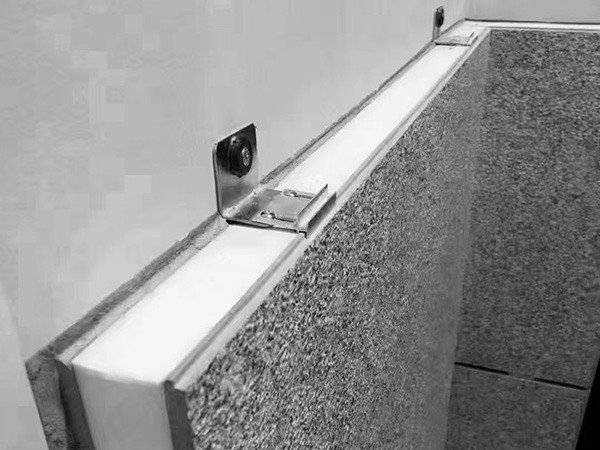
Real stone paint exterior wall insulation and decoration integrated board
-
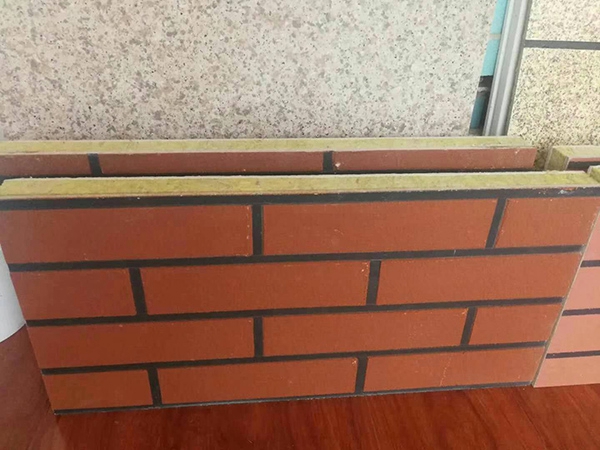
Real stone paint imitation brick polyurethane insulation integrated board
-
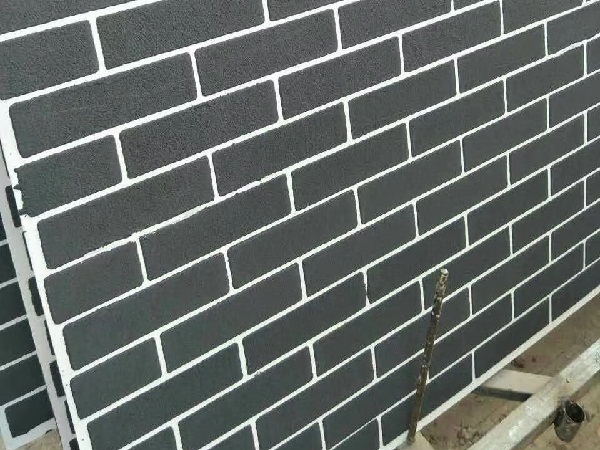
Extruded genuine stone paint imitation brick integrated board
-
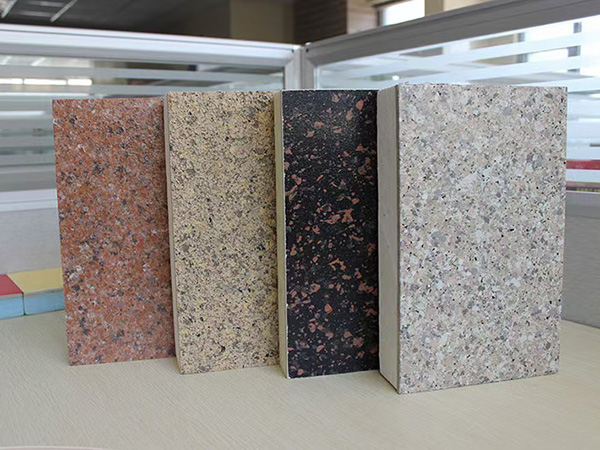
Imitation stone paint insulation decorative integrated board
-
Colorful painted rock wool insulation decorative integrated board
-
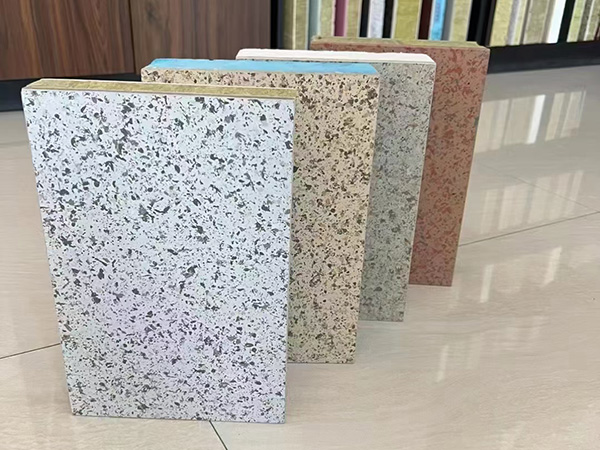
Imitation stone insulation decorative integrated board
Contact us
—— Contact:Manager
—— Tel:+86 15175677755
—— Email:644244139@qq.com
—— Url:https://www.dingminginsulation.com
—— Address:Liuyuanzhuang Village, Dacheng County, Langfang City, Hebei Province