
NewsDetails
Installation Best Practices for External Wall Insulation Systems
author:Dingming time:2026-08-04 14:22:08 Click:120
Pre-Installation Planning and Assessment
Successful external wall insulation installation begins with thorough planning and substrate assessment. Before ordering materials, contractors must evaluate existing wall conditions, including structural integrity, moisture presence, and surface regularity. The manufacturer provides specification guidelines that inform proper preparation procedures for various substrate types.
Building orientation, climate exposure, and architectural features all influence installation approaches. A comprehensive survey identifies potential challenges before work begins, allowing appropriate solutions. The supplier can provide technical consultation during planning phases, helping teams anticipate and address common installation challenges.
Material staging and sequencing require careful coordination, particularly on occupied buildings where work must proceed with minimal disruption. Effective logistics planning ensures materials arrive when needed and are stored appropriately on site, protected from weather and damage.
Substrate Preparation Requirements
Proper substrate preparation proves essential for long-term system performance. Walls must be structurally sound, with loose material removed and significant irregularities addressed. The manufacturer specifies acceptable substrate conditions and preparation methods for their products.
Moisture issues require resolution before insulation installation begins. Water infiltration through exterior walls compromises both insulation performance and building durability. The supplier can recommend moisture testing protocols and remediation approaches for problematic substrates.
Surface cleanliness affects adhesive performance and mechanical attachment effectiveness. Pressure washing, scraping, or other cleaning methods may be necessary depending on substrate conditions. Preparation time varies with building age, condition, and previous treatments.
Adhesive Application Techniques
Most external wall insulation systems rely on adhesive attachment supplemented by mechanical fasteners. Proper adhesive application ensures secure panel attachment and eliminates voids that could allow moisture accumulation or reduce thermal performance. The manufacturer specifies adhesive types, mixing procedures, and application patterns.
Adhesive coverage patterns vary with substrate conditions and panel types. Ribbons and dabs patterns suit irregular surfaces, while full-bed application works best on flat substrates. The supplier provides guidance on appropriate adhesive quantities and patterns for specific products.
Environmental conditions affect adhesive performance. Temperature, humidity, and wind all influence working time and cure characteristics. Installation teams must understand how conditions affect adhesives and adjust procedures accordingly.
Mechanical Fastener Installation
Mechanical fasteners provide supplemental attachment that ensures long-term system stability. Fastener selection depends on substrate type, with different options for concrete, masonry, steel stud, and wood frame construction. The manufacturer tests fastener performance with their systems and provides approved fastener specifications.
Fastener placement patterns ensure uniform attachment across panel surfaces. Edge fasteners and intermediate fasteners work together to resist wind loads and thermal movement. The supplier can provide fastener layout diagrams and quantity calculations based on project requirements.
Installation torque and embedment depth affect fastener performance. Underdriven fasteners may not achieve rated capacity, while overdriven fasteners can damage substrates. Proper tool selection and operator training ensure consistent results.
Joint Treatment and Sealing
Joints between insulation boards and around penetrations create potential paths for heat loss and moisture intrusion. Proper joint treatment ensures continuous thermal barriers and weather-tight assemblies. The manufacturer specifies joint treatment procedures and materials for their systems.
Tightly fitted joints minimize the need for supplementary sealing. Quality installation includes careful cutting and fitting to achieve tight joints throughout the system. The supplier provides cutting tools and techniques recommendations that support quality joint formation.
Sealant selection and application at terminations, penetrations, and transitions ensure complete envelope continuity. Different conditions may require different sealant types, and compatibility between materials must be verified. Technical consultation ensures appropriate sealant selections for specific applications.
Reinforcement and Finish Application
Many external wall insulation systems incorporate reinforcement mesh embedded in base coat materials. Reinforcement provides impact resistance and controls cracking that could allow moisture penetration. The manufacturer specifies mesh types, embedment procedures, and overlap requirements.
Base coat application must fully embed reinforcement mesh while maintaining consistent thickness. Workmanship quality at this stage directly affects finished appearance and long-term durability. The supplier provides application guidance and quality verification criteria.
Finish coat application requires attention to environmental conditions and proper sequencing. Weather conditions affect application procedures and cure times. Installation teams must understand finish material requirements to achieve optimal results.
Quality Control and Inspection
Quality control throughout installation identifies issues before they become costly problems. Regular inspection of substrate preparation, adhesive application, fastener installation, and finish work ensures compliance with specifications. The manufacturer may provide inspection checklists and quality criteria.
Documentation of installation conditions, including environmental measurements and material batch numbers, supports quality verification and troubleshooting. The supplier relationship often includes technical support for quality-related questions and issues.
Third-party inspection may be required for warranty validation or code compliance. Understanding inspection requirements and scheduling supports smooth project progression and documentation.
Weather Protection and Curing
Weather protection during installation prevents damage to partially completed work. Temperature, precipitation, and wind all affect material handling and installation procedures. The manufacturer specifies environmental limitations for their products.
Curing time requirements vary with materials and conditions. Rushing subsequent operations before adequate cure can compromise system performance. Installation scheduling must account for required cure times between operations.
Seasonal considerations affect installation planning in many climates. Understanding how weather patterns influence installation procedures enables effective project scheduling and risk management.
Conclusion
Quality external wall insulation installation requires attention to planning, substrate preparation, material application, and quality control. Following manufacturer guidelines and industry best practices ensures durable, high-performing systems.
The partnership between contractors, manufacturers, and suppliers supports successful installations. Technical consultation, quality materials, and skilled workmanship combine to deliver exterior wall insulation systems that perform as designed.
References
EIFS Industry Members Association (EIMA). (2022). Guidelines for External Insulation Installation. EIMA Publications.
International Code Council. (2021). Building Envelope Installation Standards. ICC Publications.
ASTM International. (2022). Standard Practices for Insulation Installation. ASTM Publications.
National Institute of Building Sciences. (2021). Quality Assurance in Building Envelope Construction. NIBS Publications.
Construction Specifications Institute. (2022). MasterFormat Specifications for Insulation Systems. CSI Publications.
 Recommended Products
-
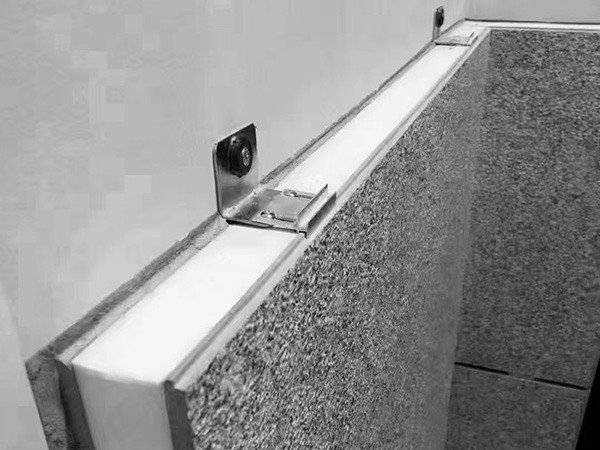
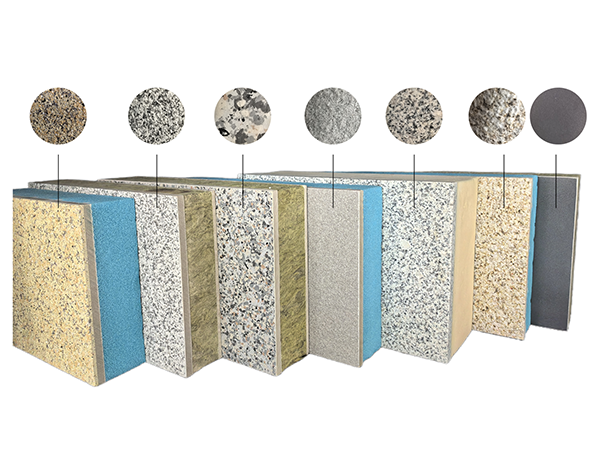
Real stone paint exterior wall insulation and decoration integrated board
-
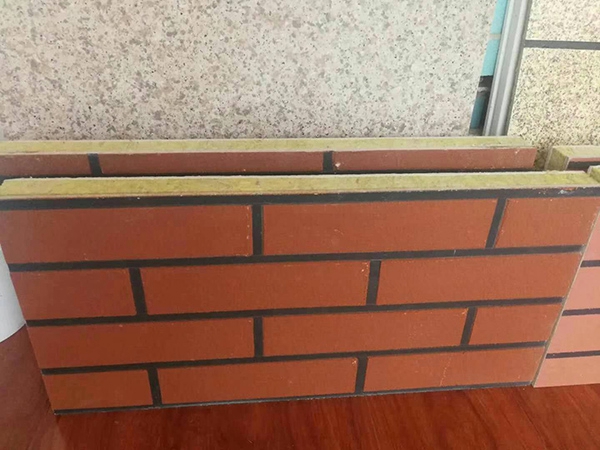
Real stone paint imitation brick polyurethane insulation integrated board
-
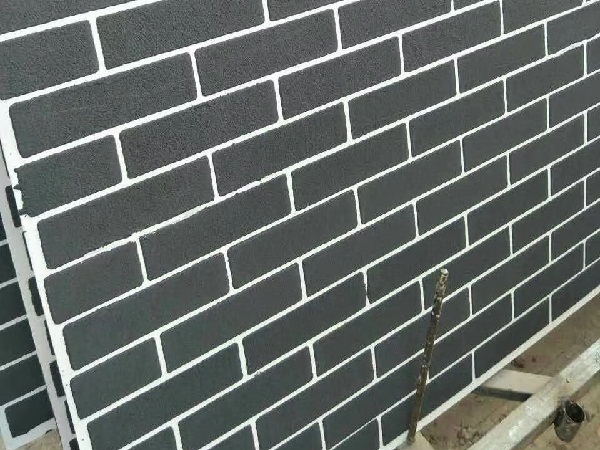
Extruded genuine stone paint imitation brick integrated board
-
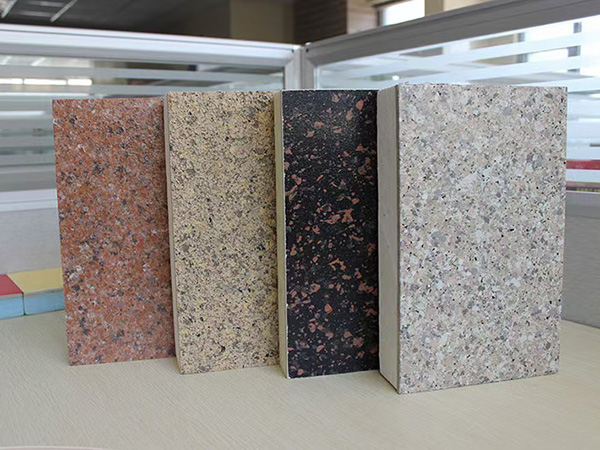
Imitation stone paint insulation decorative integrated board
-
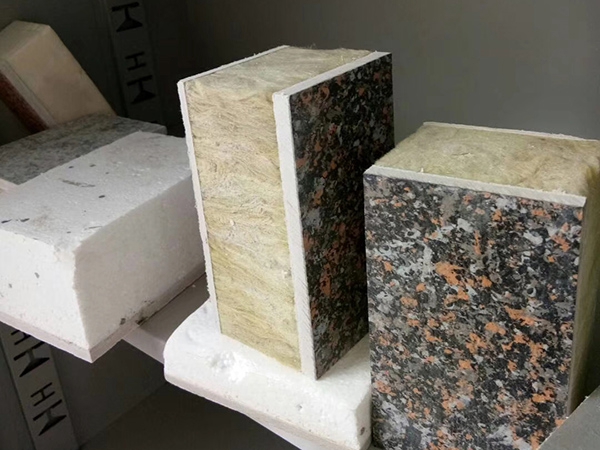
Colorful painted rock wool insulation decorative integrated board
-
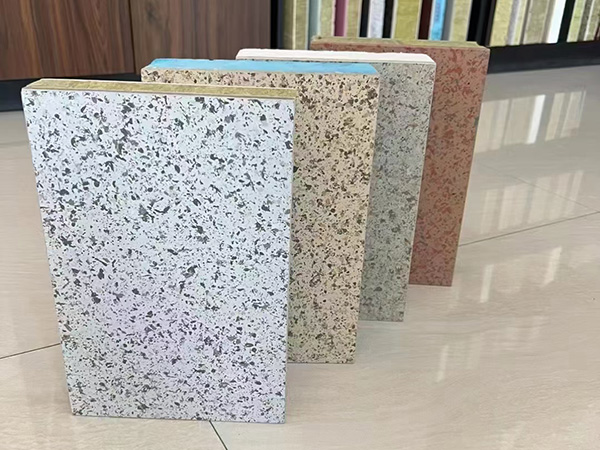
Imitation stone insulation decorative integrated board
Contact us
—— Contact:Manager
—— Tel:+86 15175677755
—— Email:644244139@qq.com
—— Url:https://www.dingminginsulation.com
—— Address:Liuyuanzhuang Village, Dacheng County, Langfang City, Hebei Province