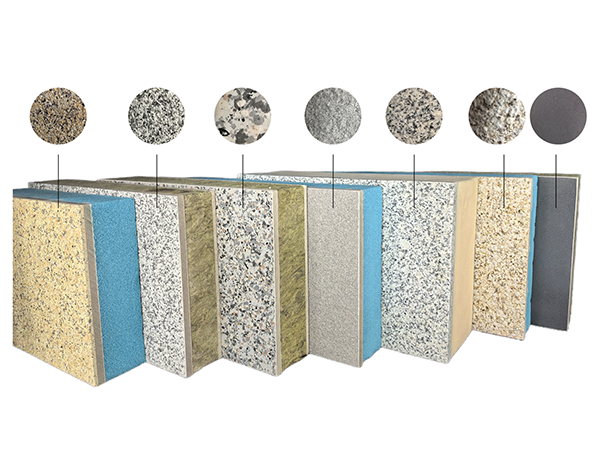

NewsDetails
Rock Wool Insulation Decorative Integrated Panel Benefits and Applications
author:Dingming time:2026-09-07 19:02:01 Click:193
Among the various core materials available for exterior wall insulation decorative integrated panels, rock wool—also known as stone wool—stands out as a premier choice for projects demanding the highest levels of fire safety, thermal performance, and acoustic insulation. Rock wool insulated panels have become increasingly popular among building owners, architects, and contractors who prioritize safety and long-term durability without compromising on energy efficiency or aesthetic appeal.
What Makes Rock Wool an Exceptional Insulation Material
Rock wool is an inorganic, non-combustible material manufactured from natural volcanic rock and recycled slag[reference:24]. The manufacturing process involves melting the raw materials at extremely high temperatures and spinning them into fine fibers, creating a mat of interwoven mineral fibers with exceptional insulating properties. This unique structure gives rock wool its combination of thermal resistance, fire safety, sound absorption, and moisture management capabilities.
In sandwich panel applications, rock wool is typically used as lamellas cut from stone wool slabs and placed between metal facings[reference:25]. The density of the rock wool core typically ranges from a minimum of 85 kg/m³ up to 150 kg/m³, with higher densities achieving increased fire, mechanical, and acoustic performance[reference:26]. The thermal conductivity of rock wool insulation falls between 0.041 and 0.045 W/(m·K), providing excellent thermal resistance for building envelopes[reference:27].
Superior Fire Safety Performance
Perhaps the most compelling advantage of rock wool insulation is its extraordinary fire resistance. Rock wool is classified as non-combustible and achieves Euroclass A1 or A2-s1,d0 fire reaction ratings according to EN 13501-1[reference:28][reference:29]. This means the material does not contribute to fire spread and produces minimal smoke and no flaming droplets in the event of a fire.
The fire resistance of rock wool sandwich panels extends beyond reaction to fire classification. Depending on panel thickness, these systems can achieve fire resistance ratings from EI 30 up to EI 240[reference:30]. For example, panels with a thickness of 60 mm or greater can achieve EI 30 (30 minutes of fire resistance), while panels of 150 mm or more can achieve EI 240 (four hours of fire resistance)[reference:31]. This level of protection is critical for high-rise buildings, healthcare facilities, schools, and other structures where occupant safety is paramount.
Thermal Performance and Energy Efficiency
Rock wool's thermal performance makes it an effective choice for energy-efficient building envelopes. With thermal conductivity values between 0.041 and 0.045 W/(m·K), rock wool provides reliable insulation that maintains its performance over decades without significant degradation[reference:32]. Unlike some organic insulation materials that may lose effectiveness over time, rock wool's mineral composition ensures long-term thermal stability.
Research comparing rock wool with expanded polystyrene (EPS) in facade applications has shown that rock wool can reduce interior temperatures by 8 to 10 degrees Celsius and reduce cooling loads through walls by 30 to 40 percent compared to ETICS with EPS[reference:33]. This superior performance makes rock wool an excellent choice for buildings in both hot and cold climates, reducing energy consumption for heating and cooling throughout the year.
Acoustic Insulation Benefits
Beyond thermal insulation and fire safety, rock wool offers exceptional acoustic insulation properties. The fibrous structure of rock wool absorbs sound waves, reducing noise transmission through building envelopes. Rock wool sandwich panels can achieve acoustic insulation of 28 dB or more[reference:34], making them ideal for buildings in noisy urban environments, near transportation corridors, or for facilities requiring sound control such as schools, hospitals, and recording studios.
The density of the rock wool core directly influences acoustic performance, with higher density panels providing better sound insulation[reference:35]. This allows manufacturers and specifiers to select the appropriate density for specific acoustic requirements, balancing performance with cost considerations.
Moisture Management and Durability
Rock wool's inorganic composition makes it inherently resistant to moisture, mold, and mildew. Unlike organic insulation materials that can absorb water and support biological growth, rock wool does not provide a food source for mold or bacteria. The material's breathable structure allows water vapor to pass through, preventing condensation within wall assemblies and protecting the building structure from moisture-related damage.
This moisture resistance contributes to the exceptional durability of rock wool insulated panels. Testing has shown that rock wool maintains its structural integrity and insulation performance even after exposure to thermal-rain cycles, thermal-cold cycles, and freeze-thaw cycles[reference:36]. With bond strength reductions of only 5.1 to 12.1 percent after accelerated weathering tests, rock wool panels demonstrate the long-term reliability that building owners expect from quality facade systems[reference:37].
Applications and Suitability
Rock wool insulation decorative integrated panels are suitable for an exceptionally wide range of building applications. The non-combustible nature of rock wool makes these panels particularly appropriate for pharmaceutical warehouses, chemical storage facilities, food processing plants, and public infrastructure requiring passive fire protection[reference:38]. Healthcare facilities, schools, and high-rise residential buildings also benefit from the combination of fire safety, thermal performance, and acoustic insulation.
For renovation projects, rock wool panels offer an efficient way to upgrade existing buildings to meet modern energy codes and fire safety standards. The panels can be installed over existing facades with appropriate anchoring systems, dramatically improving thermal performance without requiring major structural modifications. This makes rock wool integrated panels a cost-effective solution for building owners seeking to improve energy efficiency and occupant comfort.
Comparison with Alternative Insulation Materials
When selecting insulation for decorative integrated panels, specifiers must consider the trade-offs between different core materials. Rock wool offers superior fire safety and acoustic performance compared to EPS or XPS, but may have slightly higher thermal conductivity. For projects where fire safety is the primary concern—such as high-rise buildings, healthcare facilities, and buildings in fire-prone areas—rock wool is often the preferred choice[reference:39].
However, EPS and XPS may offer better moisture resistance in certain applications and lower thermal conductivity for a given thickness[reference:40]. The decision ultimately depends on project-specific requirements, including fire safety regulations, climate conditions, acoustic needs, and budget constraints. Working with an experienced manufacturer can help specifiers navigate these considerations and select the optimal core material for each project.
Choosing a Rock Wool Panel Manufacturer and Supplier
When sourcing rock wool insulation decorative integrated panels, working with an established manufacturer and supplier ensures product quality and reliability. Look for manufacturers with proven experience producing rock wool sandwich panels, comprehensive testing and certification programs, and the ability to provide detailed technical documentation. A reputable supplier will offer panels in various thicknesses, densities, and facing options to meet diverse project requirements.
Quality manufacturers typically offer panel thicknesses ranging from 40 mm to 300 mm[reference:41], with widths between 800 and 1200 mm[reference:42]. The metal facings can be customized with various profiles—slatted ribbed, micro ribbed, or smooth—and finishes in a wide range of RAL colors[reference:43]. This customization capability allows architects to achieve the desired aesthetic while maintaining the performance benefits of rock wool insulation.
Conclusion
Rock wool insulation decorative integrated panels deliver an exceptional combination of fire safety, thermal performance, acoustic insulation, and durability that few other building materials can match. The non-combustible nature of rock wool provides peace of mind for building owners and occupants, while its thermal and acoustic properties contribute to comfortable, energy-efficient buildings. As building codes continue to emphasize fire safety and energy efficiency, rock wool integrated panels will remain a preferred solution for demanding facade applications worldwide.
References
ROCKWOOL. Sandwich Panels with Stone Wool at the Core – Specification Notes.
NAFFCO. TGW-H Rock Wool Insulated Wall Panels – Fire Performance Data.
Experimental Analysis of Different Insulated Façade Technologies in Summer Condition. The Royal College of Surgeons of England.
Wang J, Pang S, Ji S, et al. Weathering Resistance of Novel Sustainable Prefabricated Thermal Insulation Wall. Frontiers.
 Recommended Products
-
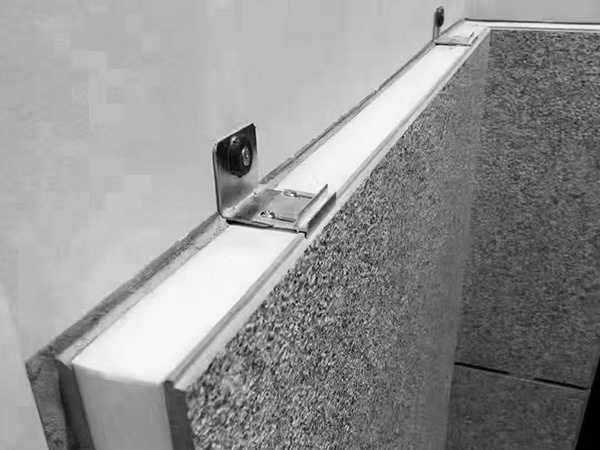
Real stone paint exterior wall insulation and decoration integrated board
-
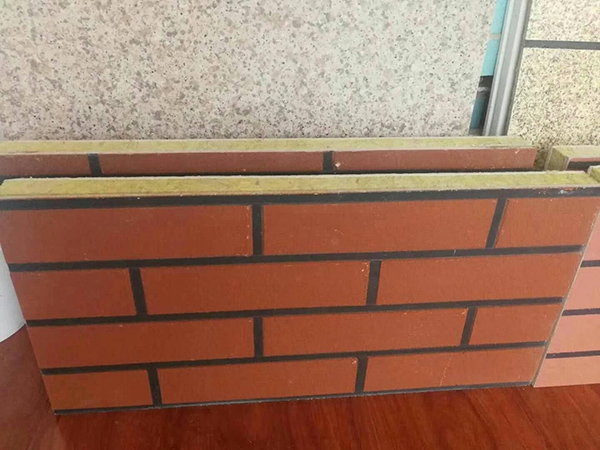
Real stone paint imitation brick polyurethane insulation integrated board
-
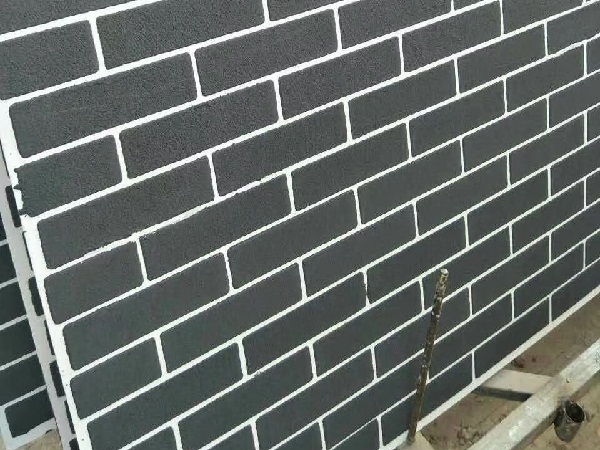
Extruded genuine stone paint imitation brick integrated board
-
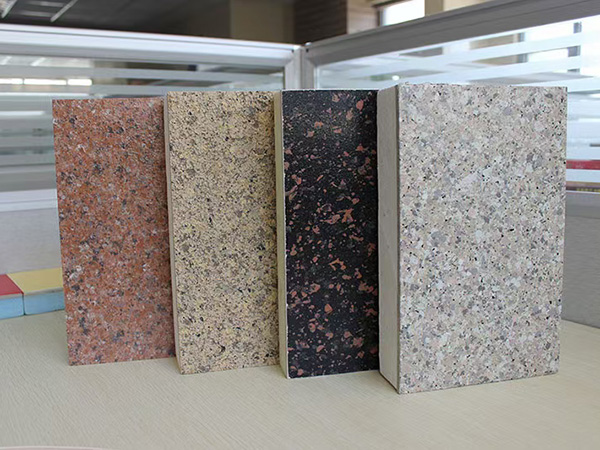
Imitation stone paint insulation decorative integrated board
-
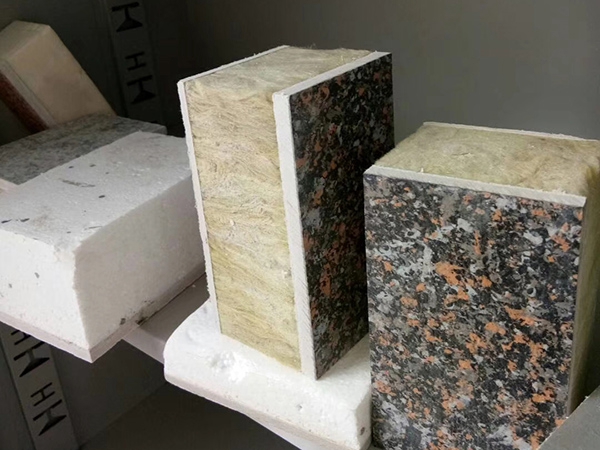
Colorful painted rock wool insulation decorative integrated board
-
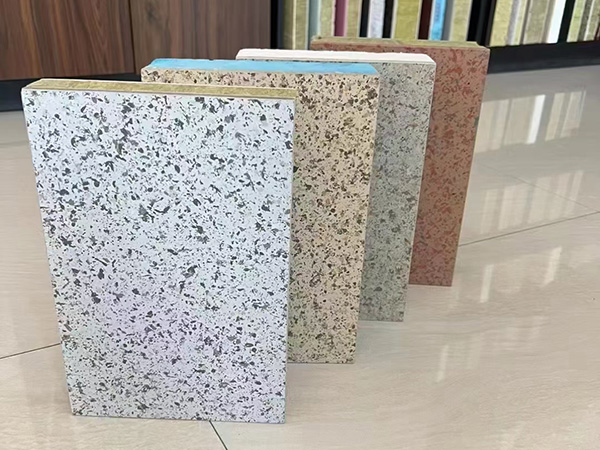
Imitation stone insulation decorative integrated board
Contact us
—— Contact:Manager
—— Tel:+86 15175677755
—— Email:644244139@qq.com
—— Url:https://www.dingminginsulation.com
—— Address:Liuyuanzhuang Village, Dacheng County, Langfang City, Hebei Province