
NewsDetails
Understanding Rock Wool Insulation: Properties and Practical Building Applications
author:Dingming time:2026-06-21 13:40:39 Click:184
When architects and contractors sit down to choose insulation for a commercial or residential project, they aren't just picking a product off a shelf — they're making decisions that will affect the building's energy bills, occupant comfort, and safety profile for decades. Rock wool insulation, often called mineral wool, consistently earns a place in those conversations. It's one of those materials that delivers across multiple performance areas at once, which is exactly what modern building codes demand.
So what exactly is rock wool, and why does it show up in everything from high-rise office towers to single-family homes? Let's dig into the properties that make it work and the building applications where it really shines.
What Is Rock Wool Insulation?
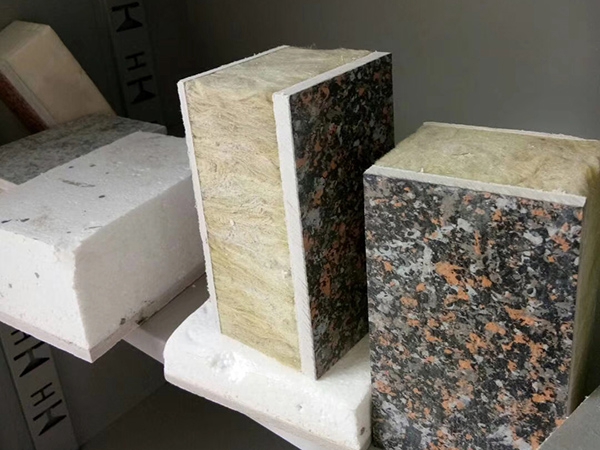
Rock wool is a manufactured insulation material made from natural basalt rock and recycled slag, a byproduct of the steel industry. The raw materials get melted at temperatures exceeding 1,500°C and are then spun into fine fibers using high-speed air jets or spinning drums. Those fibers are bound together with a small amount of mineral oil and compressed into blankets, boards, or loose-fill pellets, depending on the intended application.
The result is a dense, fibrous mat that traps air between the fibers — and trapped air is what makes any insulation work. But rock wool brings a few additional properties to the table that set it apart from fiberglass or foam-based alternatives.
Key Properties That Make Rock Wool Stand Out
Thermal Performance
Rock wool typically delivers an R-value in the range of R-3.0 to R-4.5 per inch, which puts it comfortably ahead of fiberglass in many configurations. That thermal resistance translates directly into lower heating and cooling costs for the building owner. In regions where temperature swings between seasons are dramatic, that difference compounds quickly over the life of the building.
Fire Resistance and Thermal Stability
Here's where rock wool truly distinguishes itself. Because it's made from natural stone, it can withstand temperatures well above 1,000°C without melting, releasing toxic gases, or contributing to flame spread. Most rock wool products achieve a fire rating of ASTM E136 and are classified as non-combustible. For builders working under strict fire codes — especially in high-occupancy commercial structures or mixed-use developments — this characteristic alone can make rock wool the default choice. It buys occupants valuable evacuation time in the event of a fire, and it protects structural steel components from prolonged heat exposure.
Acoustic Control
The dense, fibrous structure of rock wool is exceptionally good at absorbing sound waves. When installed in walls, floors, and ceilings, it significantly reduces both airborne noise and impact sound transmission between spaces. Open-plan offices, apartment buildings, hotels, and educational facilities often specify rock wool specifically for its acoustic benefits. The material dampens vibrations and breaks up sound pathways in ways that lightweight insulations simply can't match.
Moisture Resistance and Durability
Rock wool resists moisture absorption, which means it won't rot, corrode adjacent materials, or lose its insulating value when exposed to damp conditions. It also resists mold and fungal growth, which addresses a common concern in humid climates or in building assemblies where interior moisture might migrate outward. Over the long term, rock wool retains its shape and performance characteristics — it doesn't sag or settle the way some loose-fill insulations do.
Common Building Applications
Exterior Wall Cavities
Rock wool batts and boards are frequently specified in cavity wall construction. They fill the space between studs or sheathing without gaps, and because the material can be cut precisely, installers can achieve a snug fit that minimizes thermal bridging. In steel-frame construction, where metal studs conduct heat readily, rock wool helps break that conductive path and improves the overall wall assembly performance.
Roof Assemblies
Flat and low-slope roofs benefit enormously from rock wool insulation, particularly in industrial facilities, warehouses, and commercial centers. Board-style rock wool panels can be installed directly under the roofing membrane, providing a continuous thermal layer that eliminates the thermal short-circuits often created by structural framing. Some roof systems use built-up rock wool layers to achieve very high R-values in compact profiles, which is especially useful when roof space is limited.
Interior Partitions and Floor Systems
In multifamily and commercial buildings, fire-rated interior partitions frequently incorporate rock wool blankets or boards to satisfy both acoustic and fire code requirements simultaneously. Floor-ceiling assemblies in hotels and apartments use rock wool to control both impact sound from foot traffic above and ambient noise from shared mechanical spaces below.
HVAC Ducts and Mechanical Piping
Beyond building envelopes, rock wool finds applications in mechanical systems. Insulated ductwork wrapped in rock wool blankets reduces thermal losses from air distribution systems and cuts down on condensation formation on cold surfaces. Pipe insulation wraps made from rock wool protect plumbing and process piping from heat loss or gain and provide fire-rated coverings that help maintain code-compliant mechanical rooms.
Installation Considerations
Like any insulation product, rock wool performs best when it's installed correctly. Fit matters enormously — gaps, compression, and voids all degrade thermal and acoustic performance. Protective gear is important during installation because the fine fibers can irritate skin and lungs; standard practice involves wearing gloves, long sleeves, and eye protection. Some manufacturers, including suppliers like Dingming, offer factory-cut dimensions that reduce on-site cutting and help installers achieve cleaner, tighter fits.
Is Rock Wool the Right Choice for Your Project?
Rock wool insulation isn't the cheapest option on the market, and it isn't always the right fit for every project. But when fire safety, acoustic performance, moisture durability, and long-term thermal stability all matter — and in most commercial buildings, they do — it presents a compelling, multifunctional solution. Understanding its properties and matching them to the right application is what separates a good insulation strategy from a great one.
For architects developing specifications, contractors planning installation sequences, or building owners evaluating long-term operating costs, rock wool deserves a close look. The upfront investment often pays for itself through energy savings, code compliance, and reduced callbacks within just a few years.
References
1. U.S. Department of Energy, Office of Energy Efficiency and Renewable Energy. "Insulation Fact Sheet: Types of Insulation." Washington, DC.
2. National Research Council Canada. "Thermal Performance of Building Materials and Systems." Canadian Building Technical Research Series.
3. ASTM International. "Standard Specification for Mineral Fiber Blanket Insulation for Commercial and Industrial Applications." ASTM C553.
4. European Insulation Manufacturers Association (EURIMA). "Thermal Insulation: Making European Buildings More Energy Efficient." Brussels.
5. Builder Magazine Technical Editorial Team. "Fire Performance of Insulating Materials in Commercial Construction." Builder Magazine Archives.
 Recommended Products
-
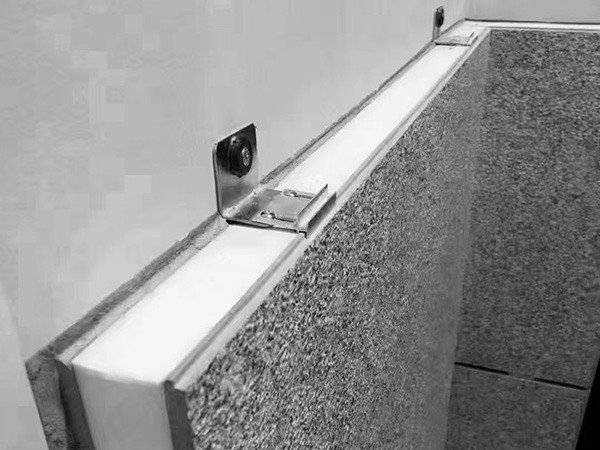
Real stone paint exterior wall insulation and decoration integrated board
-
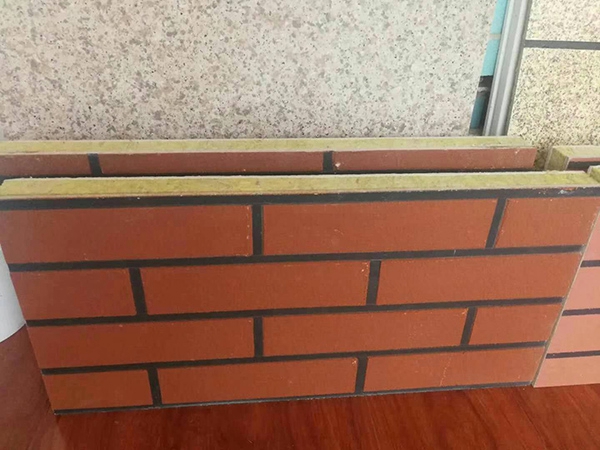
Real stone paint imitation brick polyurethane insulation integrated board
-
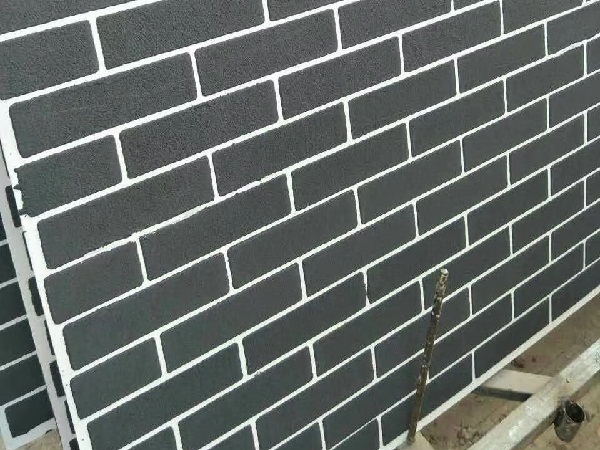
Extruded genuine stone paint imitation brick integrated board
-
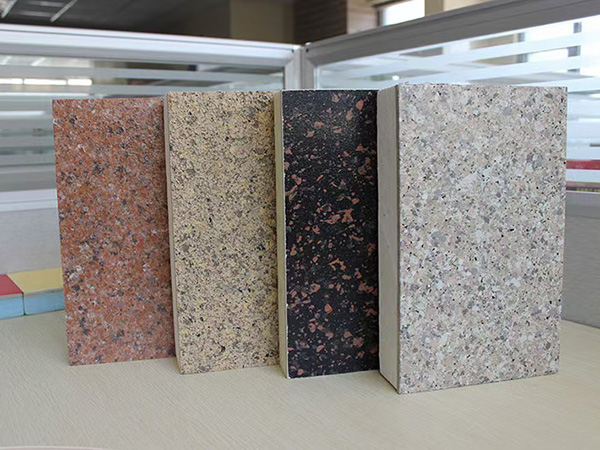
Imitation stone paint insulation decorative integrated board
-
Colorful painted rock wool insulation decorative integrated board
-
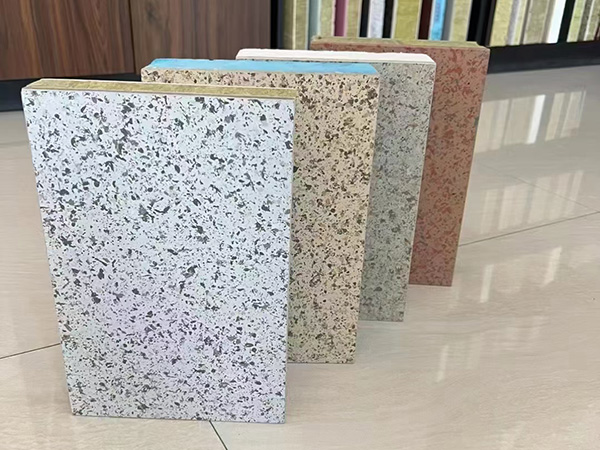
Imitation stone insulation decorative integrated board
Contact us
—— Contact:Manager
—— Tel:+86 15175677755
—— Email:644244139@qq.com
—— Url:https://www.dingminginsulation.com
—— Address:Liuyuanzhuang Village, Dacheng County, Langfang City, Hebei Province