
NewsDetails
XPS vs Polyurethane: Choosing the Right Insulation Board
author:Dingming time:2026-06-24 14:00:35 Click:83
Insulation is one of those decisions that doesn't get the attention it deserves until you've already made it—and then you're living with the consequences for decades. Whether you're working on a new build or upgrading an existing structure, choosing between XPS (extruded polystyrene) and polyurethane insulation boards can significantly impact your project's energy efficiency, budget, and long-term performance. Both materials are widely used in commercial and residential construction, but they behave quite differently in practice.
What Are XPS and Polyurethane Boards, Exactly?
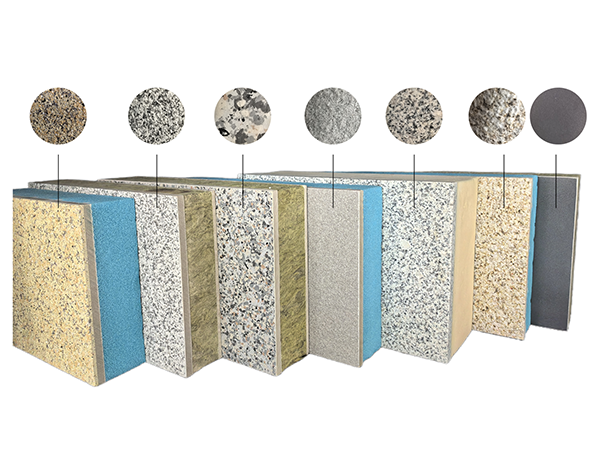
XPS boards are manufactured by melting polystyrene resin and forcing it through a die under pressure, which creates a closed-cell structure. That process gives XPS its characteristic smooth skin and uniform cell wall composition. You'll typically find XPS in blue, pink, or green board formats, depending on the brand. It's been a staple in foundation insulation, below-grade applications, and exterior wall sheathing for good reason.
Polyurethane boards, on the other hand, are produced through a chemical reaction that creates a foam matrix with either rigid polyurethane (PU) or polyisocyanurate (PIR) composition. The result is a board with slightly different physical properties—higher thermal resistance per inch, but a more complex response to fire and moisture over time. Some manufacturers, like the team at Dingming, have invested heavily in refining the formulation process to improve both performance and durability in their PU insulation products.
Thermal Performance: Where the Real Differences Show Up
Let's talk numbers, because thermal resistance is where these two materials diverge most noticeably. XPS typically offers an R-value of around R-5 per inch. Polyurethane, in its rigid board form, can achieve R-6 to R-7 per inch depending on the specific formulation and whether it's faced with foil. That difference of one to two points per inch sounds small, but it compounds quickly in wall cavities and roof assemblies where you're working with limited depth.
Here's the catch though—R-value isn't the whole story. XPS maintains its thermal performance over a much wider temperature range and doesn't degrade as quickly when exposed to moisture. Polyurethane's thermal resistance can drop if the cells are breached by water ingress over time, and that's a real concern in climates with high humidity or in applications where condensation is likely. A factory-grade PU board that's been properly sealed and installed might last decades without issue, but the same material exposed to standing water will deteriorate faster than its XPS counterpart.
Moisture Resistance and Structural Considerations
Moisture is often the deciding factor in which insulation board to use. XPS has an extremely low water absorption rate—typically less than 1% by volume—because its closed cells are virtually impermeable. This makes it ideal for below-grade applications like foundation walls and slab insulation, where it will be in direct contact with soil and groundwater. You can leave XPS exposed to the elements during construction without worrying about it soaking up moisture and losing its insulating properties.
Polyurethane boards absorb more water overall, and while some modern formulations have improved moisture resistance, they're still more susceptible to long-term water damage. For this reason, PU boards are generally better suited to above-grade applications where they'll be protected from direct moisture exposure. They're excellent for roof insulation when paired with a proper waterproof membrane, and they work well in interior wall assemblies where the risk of moisture ingress is minimal.
Fire Performance and Safety Standards
Both materials are petroleum-based and will burn, but their fire behavior differs. XPS tends to melt and drip when exposed to flame, while polyurethane, especially PIR formulations, tends to char and self-extinguish more readily in some cases. Neither should be left exposed in interior applications without a proper thermal barrier or covering. Building codes in most regions require these foam boards to be separated from living spaces by at least half an inch of gypsum board or an equivalent fire-rated covering.
Making the Final Decision
So which one should you choose? The answer depends heavily on where the insulation will be installed. If you're working on a foundation, basement, or any below-grade application, XPS is the safer bet. Its moisture resistance and long-term durability in wet environments give it a clear advantage. For roof assemblies, interior wall cavities, and applications where maximum R-value per inch matters and moisture exposure is limited, polyurethane boards offer superior thermal performance in a thinner profile.
Cost is another factor worth considering. XPS is generally less expensive per board, but PU boards require less material to achieve the same thermal resistance, which can narrow the cost gap in practice. Always factor in the full system cost—including any required coverings, tapes, and sealants—rather than comparing board price in isolation.
Conclusion
Neither XPS nor polyurethane is universally superior. Your choice should be guided by the specific conditions of your project: the environment, moisture exposure, required R-value, fire safety requirements, and budget. A reputable supplier will help you evaluate these factors and recommend the right product for your particular application, whether that's a high-performance roof assembly or a cost-effective foundation solution. Take the time to consult with your manufacturer or technical team before ordering materials—getting the insulation right the first time saves far more than it costs.
References
1. American Society of Heating, Refrigerating and Air-Conditioning Engineers (ASHRAE). ASHRAE Handbook—Fundamentals. ASHRAE, 2022.
2. Oak Ridge National Laboratory. "Insulation Materials." Building Technologies Research Office, U.S. Department of Energy, 2023.
3. European Commission Joint Research Centre. Thermal Insulation Materials: Environmental and Energy Performance. Publications Office of the European Union, 2021.
4. National Research Council Canada. "Performance of Rigid Foam Insulation in Below-Grade Applications." Building Science Insight Series, NRC, 2020.
5. DuPont. "Technical Guide: STYROFOAM™ Brand Extruded Polystyrene Foam Insulation." DuPont, 2023.
 Recommended Products
-
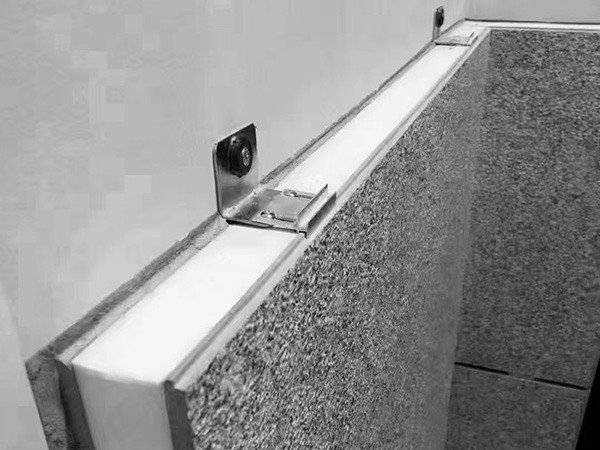
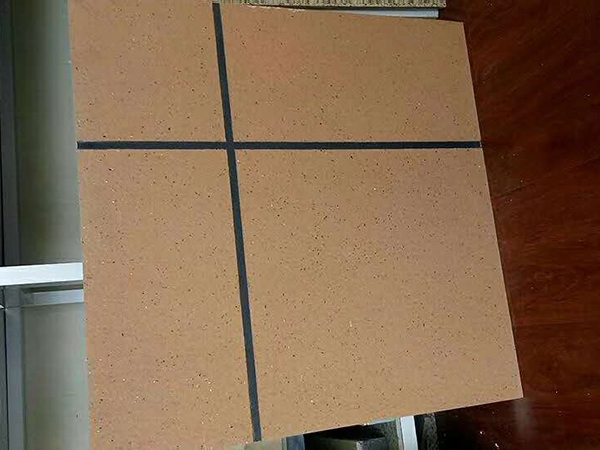
Real stone paint exterior wall insulation and decoration integrated board
-
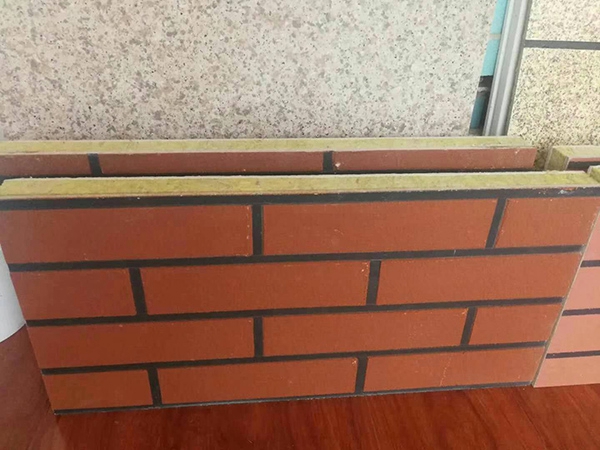
Real stone paint imitation brick polyurethane insulation integrated board
-
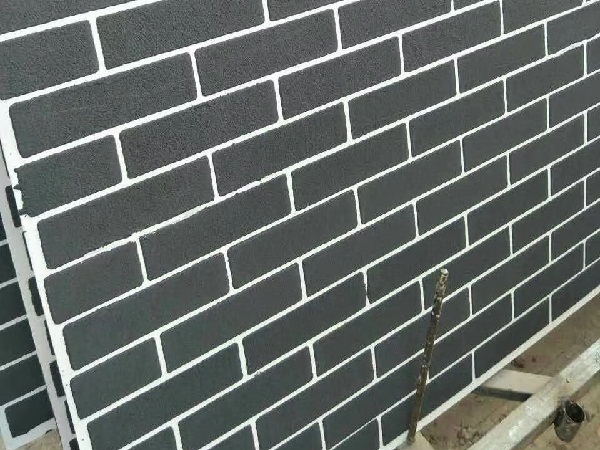
Extruded genuine stone paint imitation brick integrated board
-
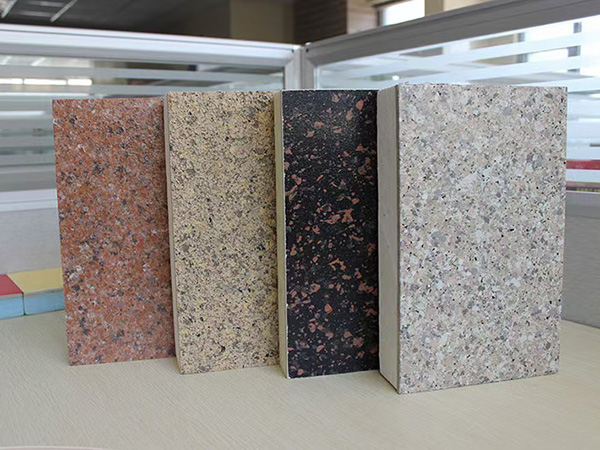
Imitation stone paint insulation decorative integrated board
-
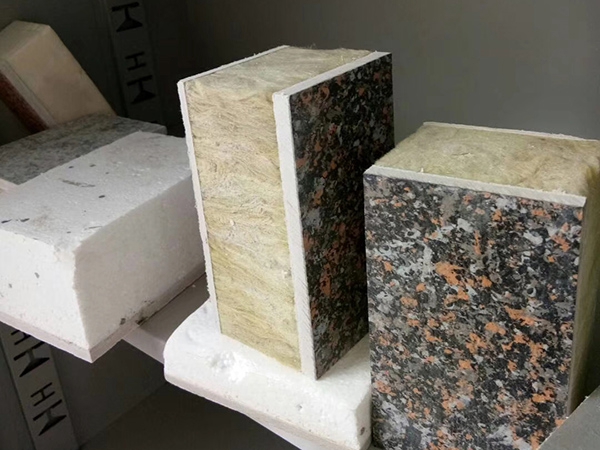
Colorful painted rock wool insulation decorative integrated board
-
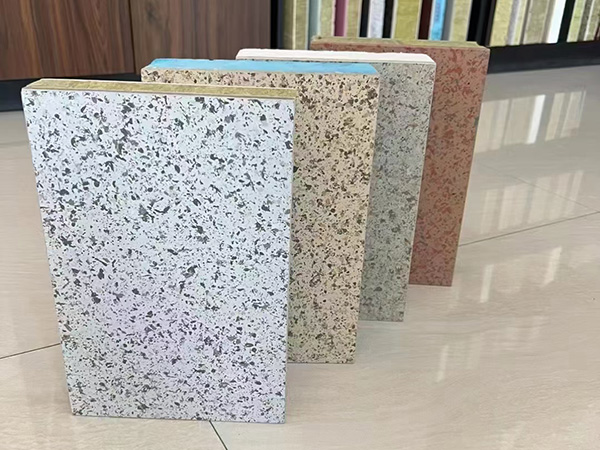
Imitation stone insulation decorative integrated board
Contact us
—— Contact:Manager
—— Tel:+86 15175677755
—— Email:644244139@qq.com
—— Url:https://www.dingminginsulation.com
—— Address:Liuyuanzhuang Village, Dacheng County, Langfang City, Hebei Province