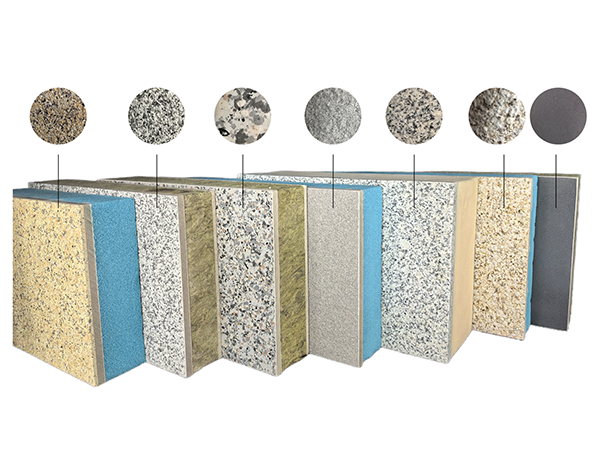

NewsDetails
Affordable Exterior Wall Insulation Panels
author:Dingming time:2026-10-07 14:12:32 Click:193
Building developers, contractors, and facility managers consistently face pressure to deliver high-performance exterior wall systems while maintaining strict budget parameters. The challenge of balancing cost efficiency with quality performance has never been more critical than in today's construction market, where energy codes grow increasingly demanding and client expectations for facade aesthetics continue rising. Exterior wall insulation decoration panels manufactured through direct-from-factory supply chains have emerged as a practical solution, enabling projects worldwide to achieve superior thermal performance and visual appeal without proportional cost increases compared to conventional cladding approaches.
The pricing advantage of factory-direct insulation panels stems from eliminating intermediaries between manufacturers and end purchasers. Traditional procurement pathways typically involve distributors, regional wholesalers, and trading companies, each adding markup margins that accumulate significantly on large-scale projects. A construction project requiring five thousand square meters of exterior insulation panels could see twenty to thirty-five percent of total cladding costs absorbed by supply chain middlemen before materials ever reach the construction site. Direct supply from insulation panel manufacturers removes these intermediate margins, delivering substantial savings that can be redirected toward other project elements or retained as project budget flexibility.
Factory Manufacturing Efficiency and Cost Control
Manufacturers operating automated production lines achieve economies of scale that individual construction projects cannot replicate through manual fabrication processes. Continuous production workflows, optimized raw material procurement at bulk commodity rates, and reduced labor waste through precision manufacturing all contribute to lower per-square-meter production costs. Insulation panel manufacturers routinely invest in research and development to refine production processes, discovering material formulations and assembly techniques that maintain or enhance performance characteristics while reducing manufacturing expenses.
These manufacturing efficiencies translate directly into competitive pricing available to purchasers without requiring compromises on material quality or performance specifications. Manufacturers serving diverse project portfolios benefit from production flexibility, adjusting output volumes based on order patterns to maintain equipment utilization rates that keep unit costs favorable. Purchasers of factory-direct insulation panels gain access to this manufacturing efficiency, receiving competitively priced products supported by established production infrastructure and quality control systems.
Quality Assurance at Competitive Price Points
A common misconception suggests that cost-effective insulation panels must sacrifice performance or durability compared to premium-priced alternatives. Reputable manufacturers operate under quality management systems requiring compliance with established performance standards, ensuring all products regardless of price tier meet minimum requirements for thermal resistance, mechanical strength, adhesion performance, and fire safety classification.
Manufacturers maintain quality through systematic processes including incoming material inspection, in-process monitoring during panel assembly, and final product testing before shipment. These quality assurance measures protect both the manufacturer's reputation and the purchaser's investment, ensuring affordable insulation panels deliver reliable long-term performance. Many manufacturers provide product testing reports from accredited laboratories documenting compliance with recognized standards for thermal conductivity, wind load resistance, impact resistance, and weather durability, giving purchasers confidence in budget-friendly panel selections.
Reduced Installation Costs Through Prefabrication
Beyond material cost advantages, insulated exterior wall panels offer significant installation efficiency benefits that further reduce total project expenses. Prefabricated panels manufactured to precise dimensional tolerances eliminate on-site cutting, fitting, and adjustment activities that consume labor hours on traditional multi-component cladding systems. Factory-applied decorative coatings require no field painting, eliminating paint material costs, equipment rental, drying time delays, and weather-related application risks that commonly affect on-site coating processes.
Manufacturers design panel mounting systems for rapid attachment to building substrates, typically requiring fewer installation tools, fewer specialized tradesperson hours, and shorter overall installation schedules compared to conventional facade construction methods. Reduced installation timelines mean lower labor costs, earlier building enclosure allowing earlier interior work commencement, and decreased overall project financing expenses for time-sensitive developments.
Long-Term Value and Lifecycle Cost Analysis
Evaluating insulation panel affordability requires examination beyond initial purchase price to encompass total lifecycle expenditures including maintenance, repair, and replacement costs over the building service life. Factory-direct insulation panels manufactured with quality coatings and durable core materials deliver extended service intervals with minimal maintenance requirements, reducing ongoing facility operating expenses. Decorative surface coatings engineered for UV stability and pollution resistance maintain architectural appearance for decades without repainting or refinishing.
Energy performance improvements delivered by exterior wall insulation panels generate continuous utility cost savings throughout building operation. Properly specified insulation systems reduce heating and cooling energy consumption by significant margins, generating annual energy cost reductions that progressively offset initial material investments. Facility owners frequently report that energy savings accumulated over ten to fifteen years fully recover the premium paid for quality insulated cladding compared to uninsulated conventional wall construction.
Conclusion
Affordable exterior wall insulation panels delivered through direct manufacturer supply channels offer a compelling value proposition for budget-conscious construction projects. The combination of competitive material pricing, reduced installation expenses, and long-term operational savings creates a comprehensive cost advantage over traditional facade construction approaches. Building professionals who prioritize factory-direct procurement, verify manufacturer quality credentials, and evaluate total lifecycle costs rather than initial purchase prices alone can secure high-performance exterior wall systems that deliver both aesthetic excellence and energy efficiency without exceeding project financial constraints.
References
ISO 6946 Building Components and Building Elements - Thermal Resistance and Thermal Transmittance
ISO 10211 Thermal Bridges in Buildings - Heat Flows and Surface Temperatures
EN 13500 Thermal insulating products for buildings - Factory made product specifications
ASTM C168 Standard Terminology Relating to Thermal Insulation
EN 15886 Thermal performance of building components - Thermal transmission by thermal bridging
 Recommended Products
-
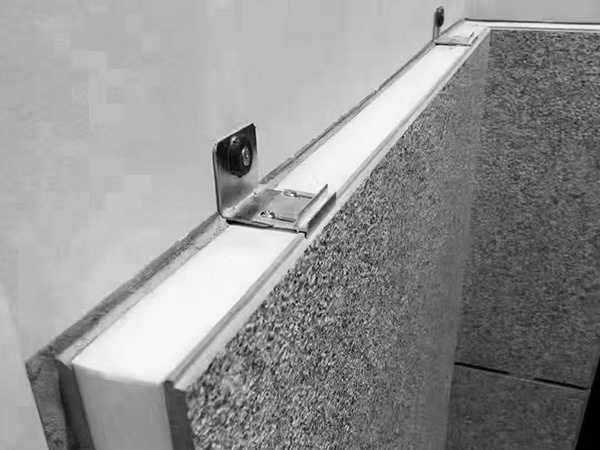
Real stone paint exterior wall insulation and decoration integrated board
-
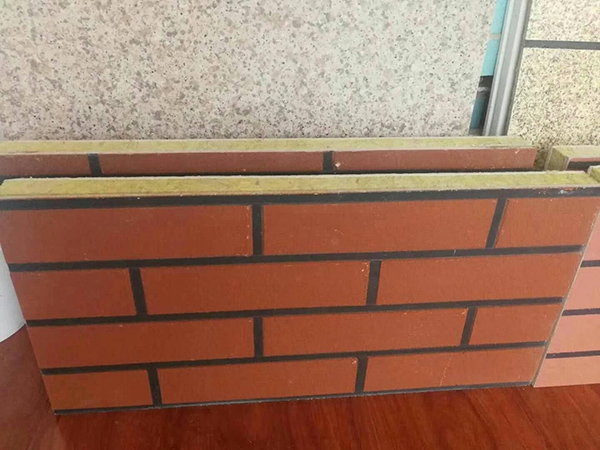
Real stone paint imitation brick polyurethane insulation integrated board
-
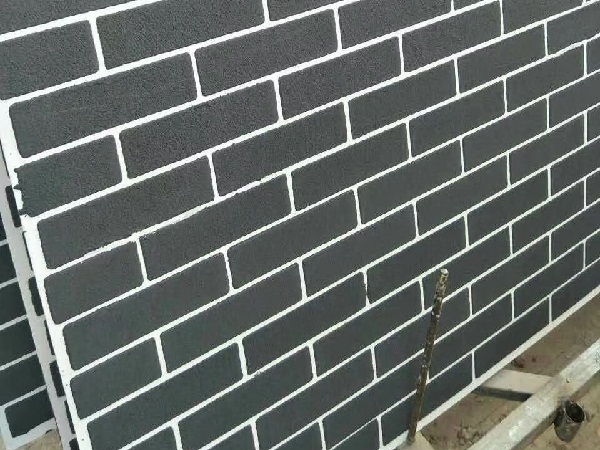
Extruded genuine stone paint imitation brick integrated board
-
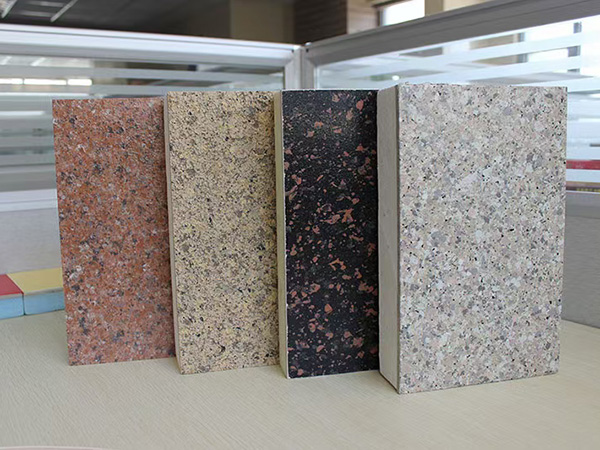
Imitation stone paint insulation decorative integrated board
-
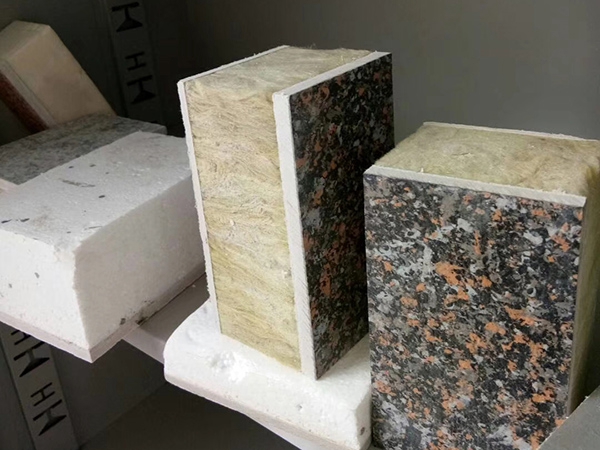
Colorful painted rock wool insulation decorative integrated board
-
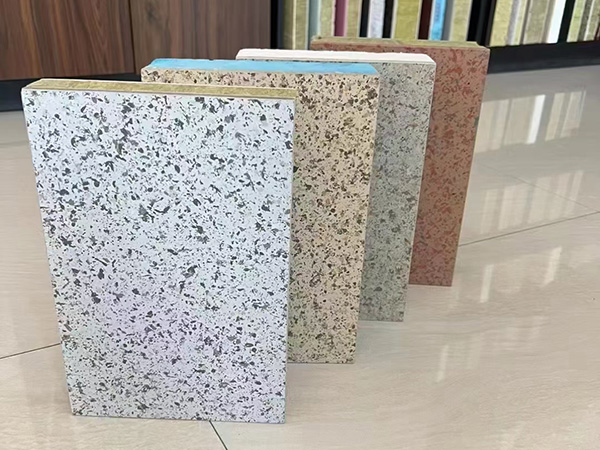
Imitation stone insulation decorative integrated board
Contact us
—— Contact:Manager
—— Tel:+86 15175677755
—— Email:644244139@qq.com
—— Url:https://www.dingminginsulation.com
—— Address:Liuyuanzhuang Village, Dacheng County, Langfang City, Hebei Province