
NewsDetails
Aluminum Silicate Insulation Materials in Building Envelope Applications
author:Dingming time:2026-07-09 18:33:50 Click:89
An Introduction to Aluminum Silicate as an Insulation Material
Aluminum silicate, sometimes referred to as ceramic fiber or calcium silicate depending on its specific formulation, has established itself as a versatile insulation material across multiple industries. In building construction, it serves both as a standalone thermal insulation product and as a complementary component in integrated wall panel systems. Its ability to withstand high temperatures while providing effective thermal resistance makes it particularly valuable in applications where both fire protection and energy efficiency are priorities.
The material is produced from alumina-silica minerals processed through high-temperature melting and fiber-spinning techniques. The resulting fibrous structure creates countless tiny air pockets that resist heat flow, achieving thermal conductivity values typically in the range of 0.040 to 0.055 W/mK. While these values do not match the lowest-conductivity foam insulations, the material compensates with exceptional fire resistance and dimensional stability at elevated temperatures.
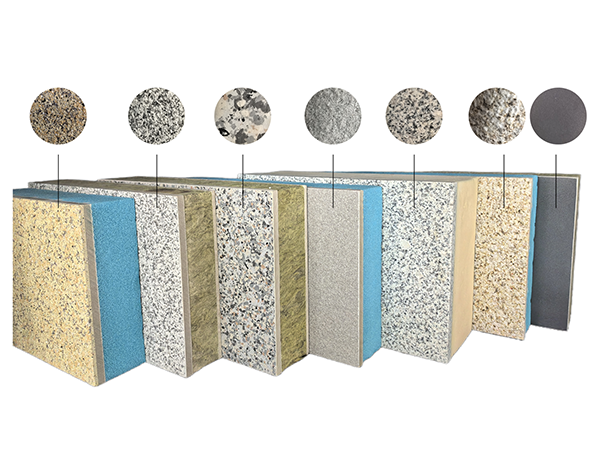
Manufacturers produce aluminum silicate insulation in several forms including blankets, boards, and loose-fill products. For building envelope applications, board form is most common, offering structural rigidity that supports direct attachment to wall substrates. The supplier typically stocks standard board thicknesses from 25 to 100 millimeters, with custom thicknesses available for large project orders.
Fire Resistance That Exceeds Most Alternatives
Fire performance is where aluminum silicate insulation truly distinguishes itself. The material does not burn, does not produce toxic smoke when exposed to flame, and maintains structural integrity at temperatures exceeding 1000 degrees Celsius. These characteristics make it invaluable in fire-rated wall assemblies where it serves as both thermal insulation and fire barrier.
In exterior wall systems, aluminum silicate boards can contribute to fire separation between floors, around openings, and at building perimeters. The manufacturer designs products specifically for these fire-resistance applications, with independent test reports documenting performance under standardized fire exposure conditions. Fire ratings of two to four hours are achievable when the material is incorporated into properly designed assemblies.
The supplier should provide fire test reports and assembly listings that demonstrate compliance with applicable building codes. For projects in jurisdictions with particularly stringent fire requirements, aluminum silicate often becomes the default insulation choice because it eliminates the thermal barriers and fire-retardant treatments that foam-based insulations demand.
Thermal Performance in Building Envelope Contexts
While aluminum silicate's thermal conductivity is higher than that of polyurethane or XPS foams, its thermal performance remains entirely adequate for most building envelope applications when appropriate thicknesses are specified. A 75-millimeter board typically achieves R-values between 3.5 and 4.0 per inch, which meets or exceeds energy code requirements for exterior wall assemblies in most climate zones.
The material's thermal stability at high temperatures means its thermal conductivity remains essentially constant across the temperature range encountered in building applications. Some foam insulations lose thermal resistance at elevated temperatures, creating performance uncertainty during hot summer conditions. Aluminum silicate does not exhibit this characteristic, delivering predictable year-round performance.
The manufacturer can provide thermal performance data at various mean temperatures, enabling accurate energy modeling for specific climate conditions. This temperature-stable behavior simplifies design calculations and reduces the performance uncertainty that can occur with temperature-sensitive insulation materials.
Moisture Behavior and Dimensional Stability
Aluminum silicate insulation absorbs minimal moisture, typically less than 3 percent by volume even under prolonged high-humidity exposure. This characteristic helps maintain thermal performance in damp conditions and reduces the risk of mold growth within the insulation layer. The material does not swell or deform when wet, retaining its dimensional properties through moisture cycling.
In building envelope applications, moisture management at the panel system level remains essential regardless of the insulation material's inherent water resistance. The manufacturer should provide guidance on appropriate vapor control strategies for different climate zones and wall assembly configurations.
Dimensional stability is another strength. Aluminum silicate boards do not expand or contract significantly with temperature changes, which means joints remain tight and panel attachment systems experience minimal thermal stress over the building's service life. This stability contributes to long-term weather-tightness and reduces maintenance requirements.
Acoustic Performance Benefits
The fibrous structure of aluminum silicate insulation provides meaningful acoustic attenuation in addition to thermal performance. Sound absorption coefficients in the 0.70 to 0.90 range are common, depending on board density and thickness. This acoustic performance makes aluminum silicate insulation valuable in buildings where noise control between spaces or from exterior sources is a design priority.
Multi-family residential buildings benefit particularly from aluminum silicate insulation in party walls and exterior walls facing traffic noise. The material absorbs sound energy within its fibrous structure rather than reflecting it, reducing both airborne noise transmission and reverberant sound buildup within wall cavities.
The manufacturer may offer products specifically optimized for acoustic applications with density and fiber orientation tuned for maximum sound absorption. The supplier can provide laboratory test data for sound transmission class and noise reduction coefficient values supporting acoustic design specifications.
Installation Methods and Best Practices
Aluminum silicate boards install using methods similar to other rigid board insulation products. Mechanical fasteners with large-diameter washers distribute attachment forces across the board surface, preventing localized crushing. The manufacturer typically recommends specific fastener types and spacing for their products based on wind load and substrate conditions.
Cutting aluminum silicate boards requires sharp knives or fine-tooth saws. The fibrous material cuts cleanly but produces fine dust during the cutting process, so installers should wear respiratory protection. The supplier often provides cutting guides and templates for common field conditions including around openings and at irregular intersections.
Joint treatment follows standard practices for board insulation systems. Butt joints with sealant backing rods provide weather-tight closures. The manufacturer may recommend specific sealant products that are compatible with the board material and appropriate for the expected service conditions.
Applications in Combined Wall Systems
Aluminum silicate insulation frequently appears as one component within multi-layer wall systems rather than as a standalone solution. In integrated panel systems, it may serve as the core material for panels destined for high-fire-risk applications. In conventional construction, it provides fire-rated insulation at specific locations while other insulation materials handle the bulk of the thermal resistance.
The manufacturer often works with design teams to optimize material combinations for specific project requirements. For example, a system might use polyurethane insulation for general wall areas where thermal efficiency is paramount, with aluminum silicate boards inserted at floor lines and around openings where fire separation is required. This hybrid approach maximizes both performance and cost efficiency.
Suppliers who carry multiple insulation types can facilitate these combined system approaches by providing all necessary materials from a single source. This simplifies procurement, coordination, and warranty management for the construction team.
Conclusion
Aluminum silicate insulation materials occupy a valuable niche in building envelope construction, particularly where fire resistance and high-temperature stability are required alongside thermal insulation. While their thermal conductivity does not match the lowest-rated foam products, their non-combustible nature, acoustic performance, and dimensional stability make them indispensable in demanding applications. Working with an experienced manufacturer and a responsive supplier ensures that these materials are specified and installed correctly for optimal long-term performance.
References
ASTM International. (2022). ASTM C167: Standard Test Methods for Thickness and Density of Blanket or Batt Thermal Insulations. ASTM Publications.
National Fire Protection Association. (2021). NFPA 262: Standard Method of Tests for Flame Travel and Smoke of Wires and Cables for Use in Air-Handling Spaces. NFPA.
U.S. Department of Energy. (2022). Insulation Materials: Reference Guide for Building Applications. DOE Publications.
International Organization for Standardization. (2021). ISO 9705: Fire Tests—Full-Scale Room Test for Surface Products. ISO Publications.
Building Research Establishment. (2022). Fire Performance of Non-Combustible Insulation Materials. BRE Publications.
 Recommended Products
-
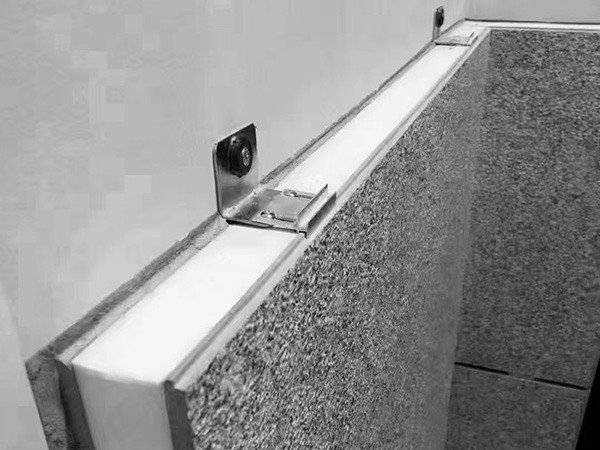
Real stone paint exterior wall insulation and decoration integrated board
-
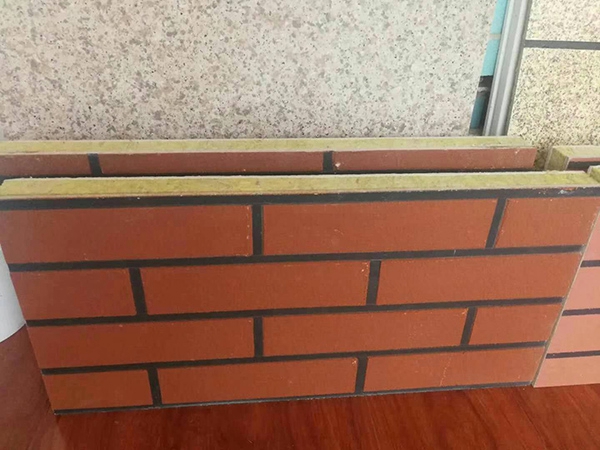
Real stone paint imitation brick polyurethane insulation integrated board
-
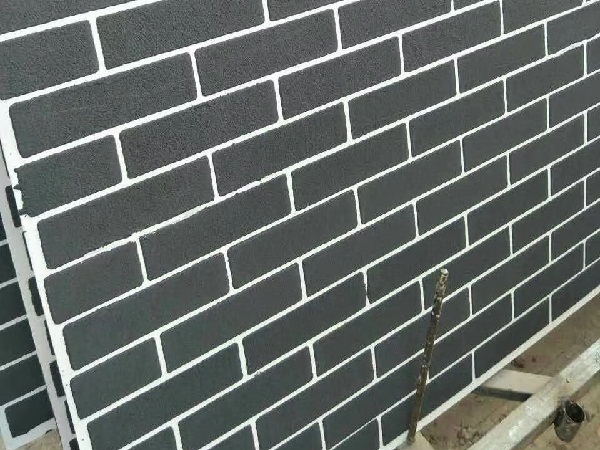
Extruded genuine stone paint imitation brick integrated board
-
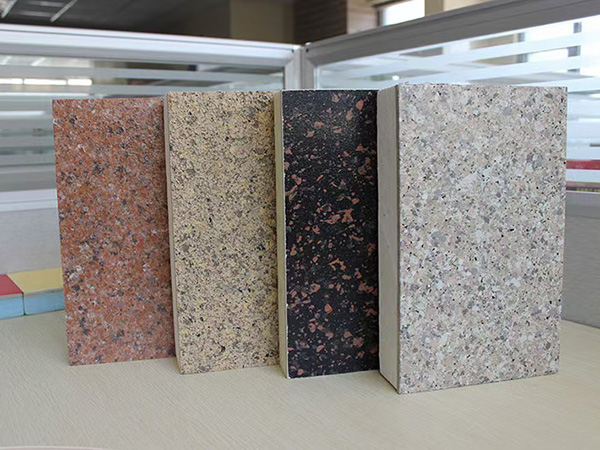
Imitation stone paint insulation decorative integrated board
-
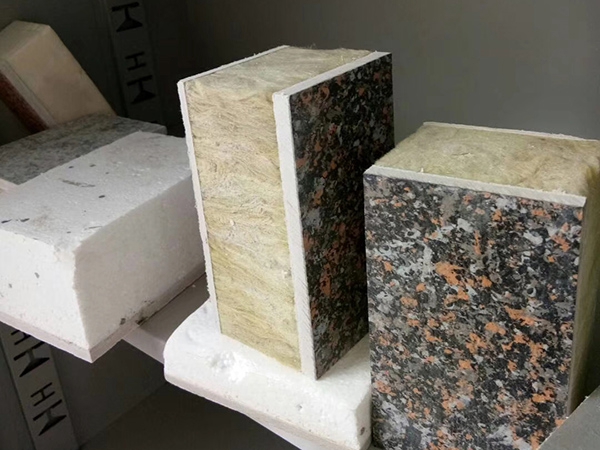
Colorful painted rock wool insulation decorative integrated board
-
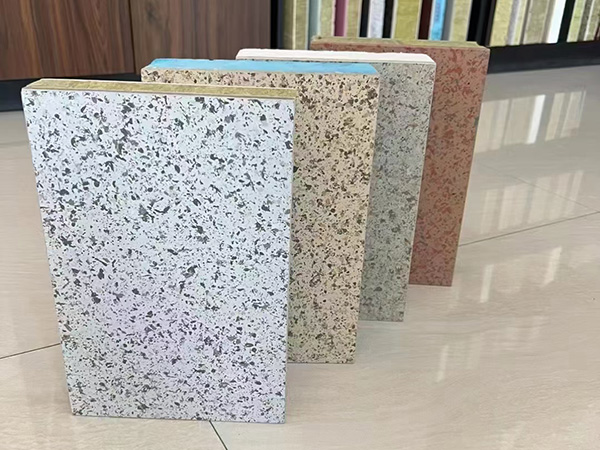
Imitation stone insulation decorative integrated board
Contact us
—— Contact:Manager
—— Tel:+86 15175677755
—— Email:644244139@qq.com
—— Url:https://www.dingminginsulation.com
—— Address:Liuyuanzhuang Village, Dacheng County, Langfang City, Hebei Province