
NewsDetails
How Commercial Builders Choose Exterior Wall Insulation Panels
author:Dingming time:2026-10-07 14:14:11 Click:163
Choosing an exterior wall insulation panel for a commercial building is rarely a single decision. It sits at the intersection of code compliance, long-term operating cost, the look of the finished facade, and how reliable the supplier or factory actually is when the job is running behind. The panels that win are usually the ones that make the whole project simpler, not the ones with the lowest sticker price. This article walks through the factors that tend to matter most when you are weighing options, and how to structure the comparison so the numbers line up.
Start With the Core, Not the Finish
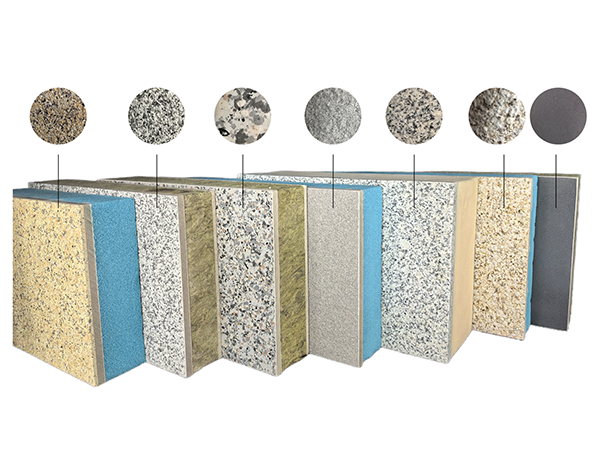
The core is what does the insulating work, and it sets the ceiling for everything else. Rock wool cores are non-combustible and hold up well in tall structures, which is why they keep appearing on office towers and mixed-use buildings. Extruded polystyrene (XPS) cores are lighter and simpler to handle on site, while polyurethane cores deliver high thermal resistance at a modest thickness. When a manufacturer presents a product, the first question is which core it uses and what that means for fire behavior, weight on the substrate, and energy performance. A facade that looks premium but rests on the wrong core can create problems that show up years after handover.
Fire Classification Is a Hard Requirement
For commercial buildings the fire rating is not a nice-to-have; it is a gate. In many jurisdictions the facade assembly has to pass a recognized test before the design is approved. In Europe the classification follows EN 13501-1, and in the United States exterior wall assemblies are often evaluated under NFPA 285, which looks at flame spread through the cavity and the size of the burn. When comparing panels, ask for the test report that matches the exact assembly you plan to build, not a general claim about the material alone. A factory that can hand over a current, specific report saves a project from the most expensive kind of surprise.
Thermal Performance and Long-Term Energy Cost
Energy bills are paid for decades, so the thermal number matters more than the first-year savings. Thermal resistance is measured under controlled conditions, typically referenced to ISO 8336, and the value you should look at is the whole wall assembly, not just the board. A slightly thicker or better-performing core can cut heating and cooling load enough to pay for the extra material cost within a few years. When a supplier quotes a panel, ask for the calculated U-value of the complete wall they are proposing, because that is the number the building will actually operate with.
Wind Resistance and Building Height
Height changes the physics. A low-rise warehouse and a twenty-story office block are subject to very different wind pressures, and the panel system has to resist pull-off as well as impact. Wind actions are usually taken from the relevant national code, such as ASCE 7 in the United States, and the fixings are sized to match. Pull-off strength of the board and its attachment to the substrate should be verified, often through tests referenced to ISO 10330. For taller buildings the attachment method and the quality of the adhesive and mechanical fixings become a design item in their own right, not an afterthought.
What the Factory Should Document
A serious manufacturer treats documentation as part of the product. Expect to see material test reports, fire classification certificates, batch-by-batch quality records, and a clear statement of warranty. A factory that stands behind its supply with these papers is easier to defend when the building authority or the client asks for evidence. It also tells you something about the production discipline. If the factory cannot produce a consistent set of records, the variation in the boards arriving on site will likely follow.
Total Cost of Ownership
The purchase price is only one line in the ledger. Consider installation speed, because a panel system that installs quickly shortens the critical path and cuts labor. Factor in maintenance, since a well-finished facade can run for decades with little more than cleaning and the occasional repair. Then weigh the risk: a cheaper panel that needs early replacement, or that fails an inspection and forces rework, is rarely cheaper at the end of the day. The best value is a balance of upfront cost, speed, and how little attention the wall will need over its working life.
Bringing the Comparison Together
Put the candidate panels side by side and score them on a short list: core and fire class, thermal value, wind performance, documented quality, warranty, and installability. Request samples and, where possible, run a small mock-up on the actual substrate. A short pilot catches compatibility issues before the full order is placed. Done this way, the decision stops being a guess about a price and becomes a measured choice about a system that the building will carry for the next several decades.
References
NFPA 285, Standard Fire Test Methods for Evaluation of Exterior Wall Covering Assemblies
EN 13501-1, Classification of construction products and building elements relating to fire behaviour
ISO 8336, Thermal insulation — Determination of thermal resistance by guarded hot plate
ISO 10330, Thermal insulation — Determination of pull-off resistance of insulation boards
ASCE 7, Minimum Design Loads and Associated Criteria for Buildings and Other Structures
Author: Daniel R. Whitfield — building materials consultant focused on commercial facade systems.
 Recommended Products
-
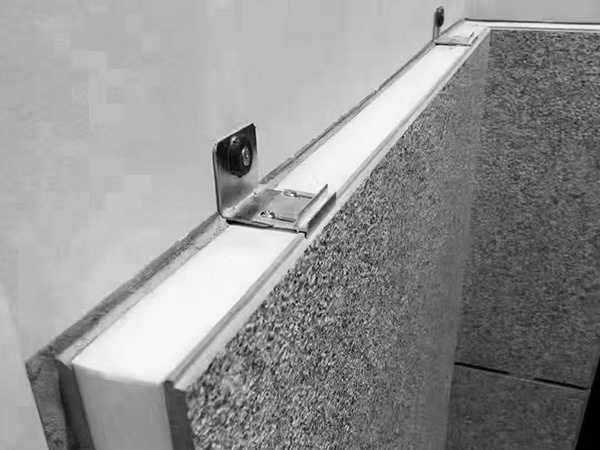
Real stone paint exterior wall insulation and decoration integrated board
-
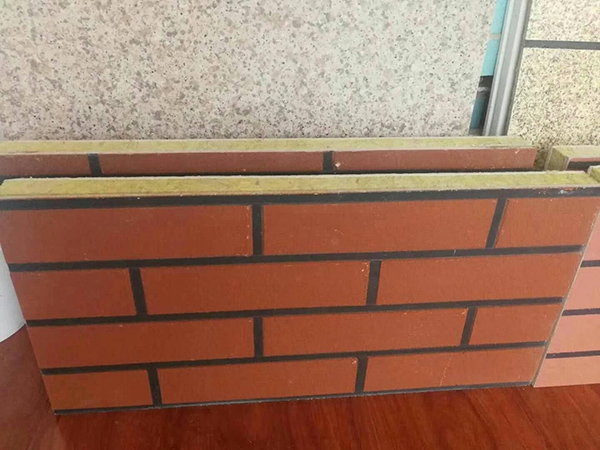
Real stone paint imitation brick polyurethane insulation integrated board
-
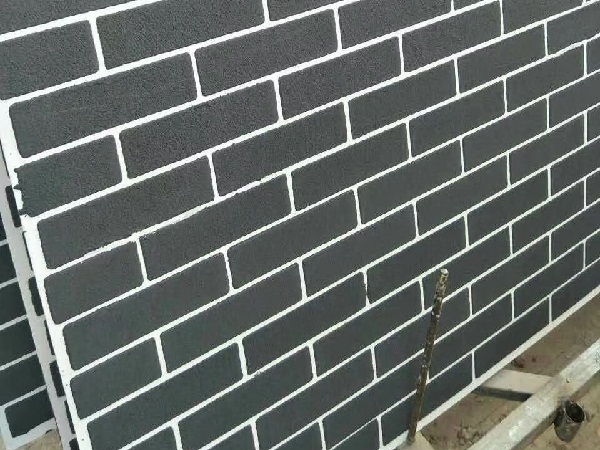
Extruded genuine stone paint imitation brick integrated board
-
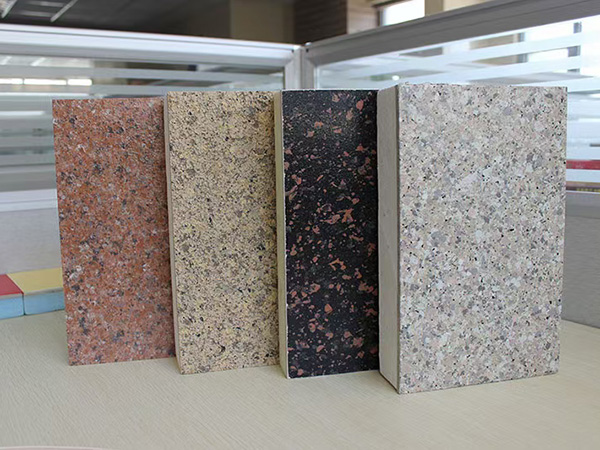
Imitation stone paint insulation decorative integrated board
-
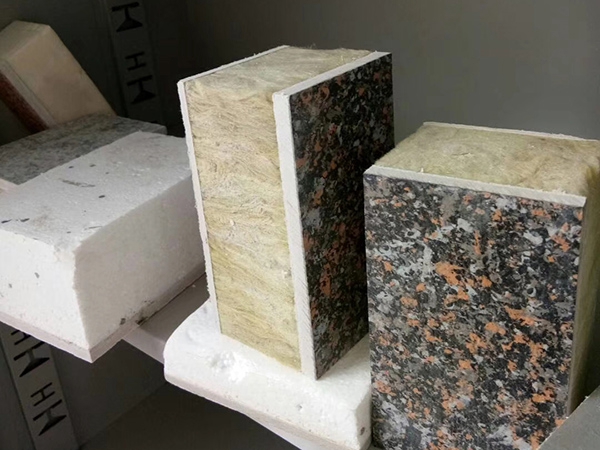
Colorful painted rock wool insulation decorative integrated board
-
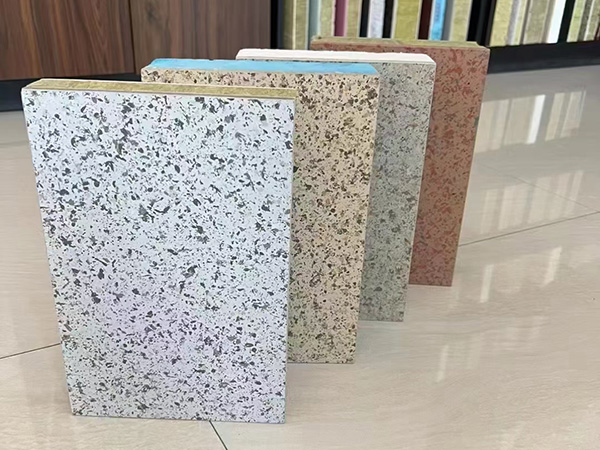
Imitation stone insulation decorative integrated board
Contact us
—— Contact:Manager
—— Tel:+86 15175677755
—— Email:644244139@qq.com
—— Url:https://www.dingminginsulation.com
—— Address:Liuyuanzhuang Village, Dacheng County, Langfang City, Hebei Province