
NewsDetails
Comprehensive Guide to Exterior Wall Insulation Decoration Panels
author:Dingming time:2026-10-07 14:15:56 Click:87
The construction industry has witnessed a remarkable transformation in exterior wall systems, with insulation decoration integrated panels emerging as the dominant solution for both residential and commercial projects. Manufacturers have invested heavily in research and development to create prefabricated panels that seamlessly combine thermal insulation performance with aesthetic decoration, eliminating the traditional multi-step construction process that once plagued building contractors.
Revolutionary Approach to Building Exterior Walls
Traditional exterior wall construction required contractors to complete insulation installation, surface preparation, plastering, and decorative coating application as separate sequential operations. This fragmented approach extended project timelines, increased labor costs, and introduced quality variability dependent on weather conditions and worker skill levels. The integrated panel system fundamentally changes this paradigm by completing all manufacturing stages in a controlled factory environment where temperature, humidity, and quality control parameters remain constant throughout production.
Modern panel manufacturers utilize automated production lines equipped with precision coating equipment, high-temperature composite presses, and computerized quality inspection systems. These advanced manufacturing capabilities enable suppliers to achieve consistent product quality across large production volumes while maintaining tight tolerances on panel dimensions, surface flatness, and coating thickness. Building owners and contractors benefit from predictable performance characteristics and reliable delivery schedules that support efficient project planning.
Multi-Layer Composite Structure Design
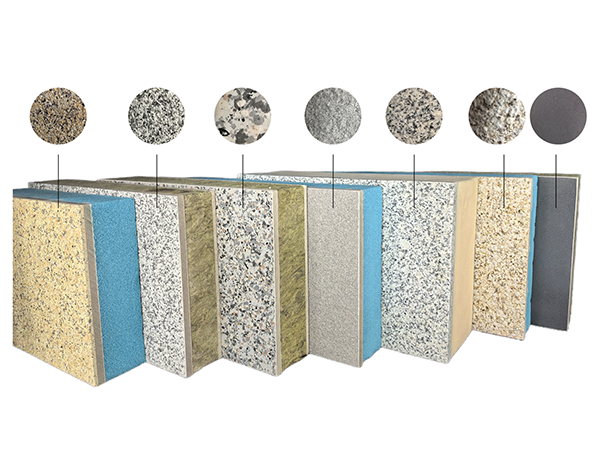
Every quality insulation decoration panel employs a sophisticated multi-layer composite architecture engineered to deliver optimal performance across multiple functional requirements. The decorative facing layer represents the most visible component and requires manufacturers to master advanced coating technologies that produce realistic stone textures and vibrant color options.
Suppliers typically offer water-in-water colorful coatings that blend colored paint particles through colloid technology to create granite-like patterns. Real stone paint formulations incorporate natural colored sand aggregates to produce textures resembling sandstone or slate surfaces. Fluorocarbon coating systems provide superior UV resistance and self-cleaning properties, ensuring decades of color stability even in harsh sunlight conditions. Manufacturers can customize color palettes and surface textures to match specific architectural design requirements.
The thermal insulation core represents the functional heart of the panel system. Rock wool cores deliver exceptional fire resistance with non-combustible performance exceeding 1000 degrees Celsius, making them ideal for high-rise buildings with stringent fire safety codes. Graphite polystyrene boards offer enhanced thermal resistance with conductivity values approximately 20 to 30 percent lower than conventional EPS materials. Extruded polystyrene panels provide excellent moisture resistance and compressive strength suitable for demanding structural applications. Polyurethane foam cores deliver the lowest thermal conductivity among organic insulation materials, maximizing energy efficiency performance.
Significant Construction Timeline Reduction
One of the most compelling advantages that procurement managers and project directors appreciate is the dramatic reduction in construction schedules enabled by prefabricated insulation panels. Traditional exterior wall systems demand sequential completion of insulation installation, mesh embedding, base coat application, decorative coating priming, and final topcoat application. Each stage requires curing time, weather-dependent drying periods, and quality inspection checkpoints that collectively extend project durations considerably.
Integrated panels eliminate virtually all on-site wet operations by delivering factory-finished products ready for immediate installation. Contractors accomplish both insulation and decoration functions through a single bonding and anchoring operation that typically requires less than half the labor hours of conventional systems. This acceleration enables developers to achieve earlier building completion, accelerate property marketing timelines, and reduce financing costs associated with extended construction periods.
Cost Efficiency Through Integration
While per-unit pricing for integrated insulation panels may appear higher than individual conventional materials, comprehensive cost analysis reveals substantial overall project savings. Manufacturers produce panels with weights ranging from 8 to 15 kilograms per square meter, significantly lighter than dry-hung natural stone installations that weigh 50 to 80 kilograms per square meter including support frameworks. This weight reduction translates directly into smaller structural requirements, reduced foundation engineering costs, and lower crane and lifting equipment expenses during installation.
Contractors eliminate expenses associated with multiple trade coordination, scaffolding rental for extended project durations, auxiliary material purchases for separate insulation and decoration systems, and rework costs resulting from weather damage to unfinished insulation layers. Industry data indicates total project cost reductions of 15 to 30 percent when utilizing integrated panels compared to traditional exterior wall construction methods, making these products attractive for budget-conscious developers without compromising quality expectations.
Diverse Application Opportunities
The versatility of exterior wall insulation panels has enabled widespread adoption across diverse building types and climate zones. New residential communities benefit from the panels ability to create premium stone-appeal facades that enhance property values and market positioning. Commercial developments including shopping centers, hotels, and office buildings leverage the aesthetic flexibility and rapid installation capabilities to achieve distinctive architectural expressions within compressed development timelines.
Existing building renovation projects represent a particularly valuable application segment where suppliers designs enable direct installation over existing wall surfaces without costly demolition operations. This capability proves essential for urban renewal initiatives where maintaining building occupancy during renovation is economically and practically necessary. Manufacturers have developed specialized mounting systems that accommodate various substrate conditions including concrete, masonry, and existing ceramic tile surfaces.
Technical Specifications and Performance Standards
Reputable insulation panel manufacturers ensure their products comply with established building performance standards governing thermal resistance, mechanical strength, weather durability, and fire safety. Thermal conductivity specifications typically range from 0.024 to 0.046 W per meter Kelvin depending on core material selection, enabling designers to meet regional energy efficiency code requirements. Mechanical anchoring systems provide wind load resistance and seismic performance adequacy for buildings in high-wind and earthquake-prone regions.
Weather resistance testing validates panel performance under accelerated aging conditions including UV exposure, freeze-thaw cycling, acid rain simulation, and high-humidity environments. Manufacturers guarantee decorative layer color stability and coating integrity for 25 years or more under normal exposure conditions, with minimal maintenance requirements limited to occasional water rinsing to remove surface dust accumulation.
Conclusion
Exterior wall insulation decoration panels have matured into a sophisticated, reliable building envelope solution that reconciles the competing priorities of energy efficiency, aesthetic quality, construction efficiency, and cost management. As global building regulations continue enforcing stricter thermal performance requirements and developers face relentless pressure to compress project timelines, prefabricated insulation panels will undoubtedly consolidate their position as the preferred exterior wall system for contemporary construction projects worldwide.
References
GB/T 23441 Polymer Emulsion Waterproof Coating Standard
GB/T 10801.2 Expanded Polystyrene Board for Building Insulation
GB/T 25975 Roof Insulation Board Technical Standard
JGJ 144 Technical Standard for External Wall Insulation of Buildings
ASHRAE Standard 90.1 Energy Standard for Buildings Except Low-Rise Residential Buildings
 Recommended Products
-
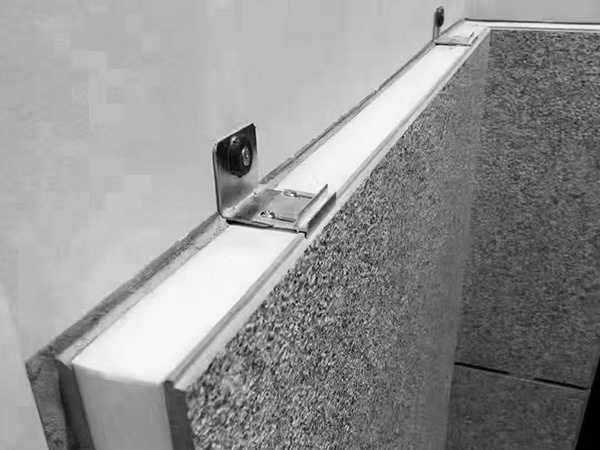
Real stone paint exterior wall insulation and decoration integrated board
-
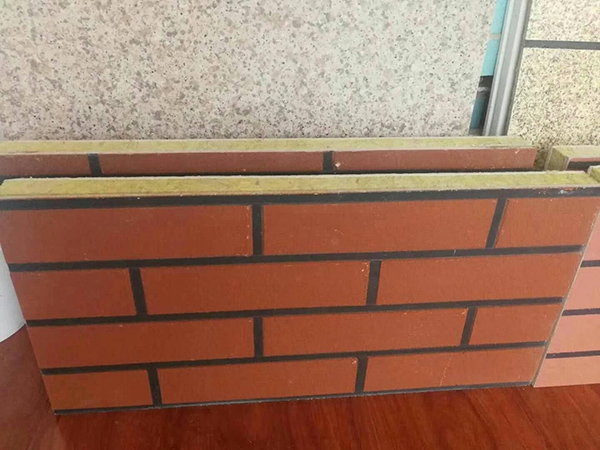
Real stone paint imitation brick polyurethane insulation integrated board
-
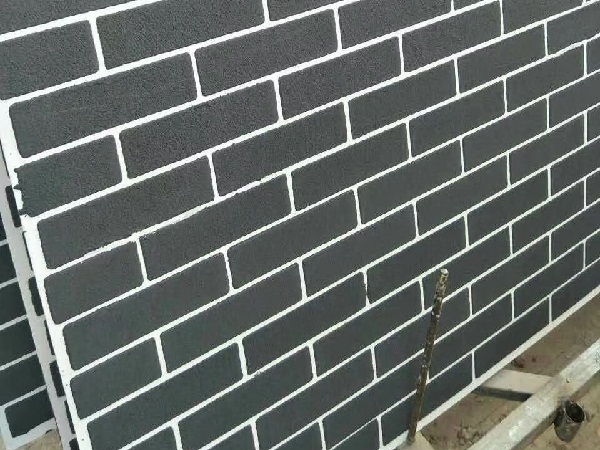
Extruded genuine stone paint imitation brick integrated board
-
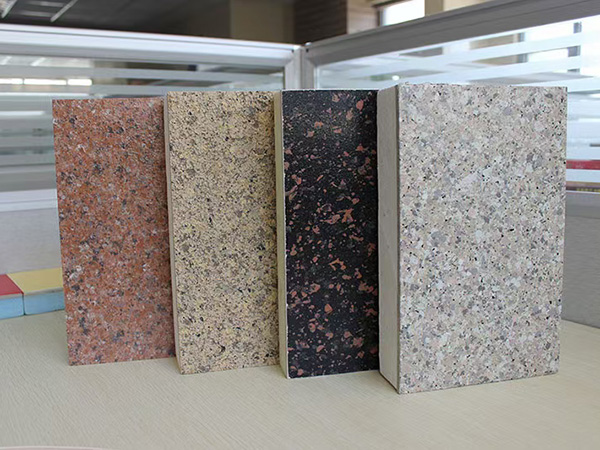
Imitation stone paint insulation decorative integrated board
-
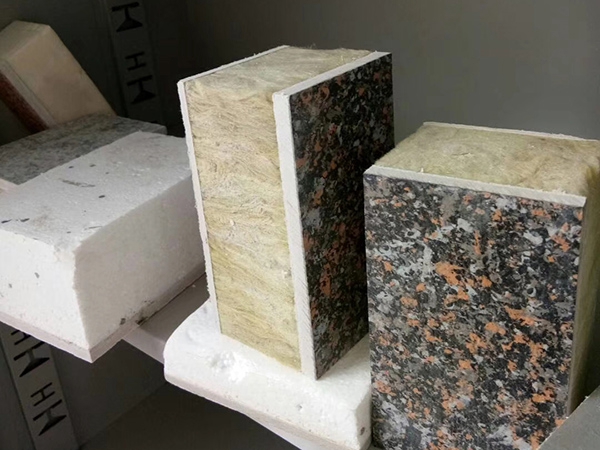
Colorful painted rock wool insulation decorative integrated board
-
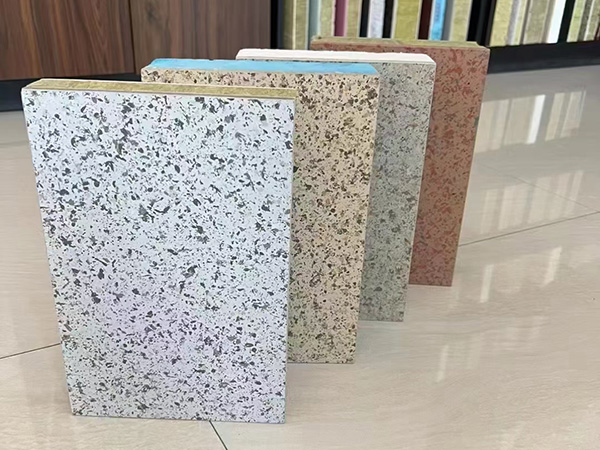
Imitation stone insulation decorative integrated board
Contact us
—— Contact:Manager
—— Tel:+86 15175677755
—— Email:644244139@qq.com
—— Url:https://www.dingminginsulation.com
—— Address:Liuyuanzhuang Village, Dacheng County, Langfang City, Hebei Province