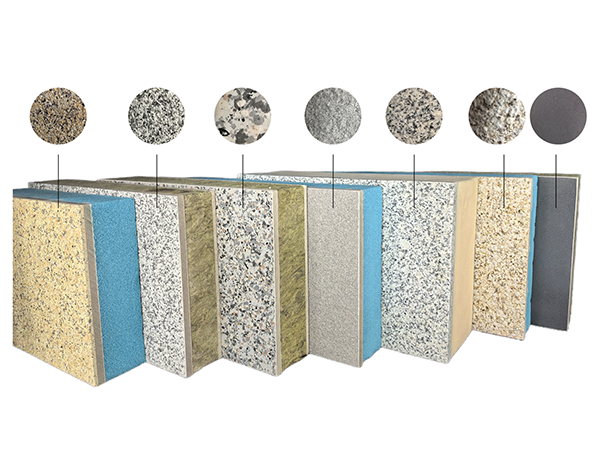

NewsDetails
Insulated Decorative Wall Panel: Cost-Benefit vs Traditional Methods
author:Dingming time:2026-09-05 16:03:11 Click:91
Choosing an insulated decorative wall panel over conventional build-ups is no longer a niche decision reserved for flagship projects. Budget overruns and painfully long payback periods continue to plague many building programs, leaving owners to absorb costs they never anticipated. A smarter path exists when insulation and a finished façade ship as one integrated unit. The question is not whether panels work, but whether the numbers favor them for your specific job.
Traditional two-step systems — installing insulation first, then applying a separate cladding layer — quietly generate hidden costs. Labor stacks up across trades, the schedule stretches as crews wait on one another, and coordination overhead eats into thin margins. What looks cheaper on a material takeoff often proves expensive once installation, scaffolding, and weather delays are tallied.
This article delivers a structured cost-comparison framework for decision-makers who need clarity, not sales talk. We break the analysis into installed cost, labor, energy return, lifecycle maintenance, and ROI so you can weigh a panelized approach against traditional methods with confidence.
Breaking Down the True Cost of Traditional Exterior Wall Systems
Material Cost vs. Installed Cost: The Overlooked Gap
A bill of materials rarely tells the whole story. On paper, batt insulation plus field-applied siding seems economical. Yet installed cost climbs once you add fasteners, weather barriers, flashings, and the repeated subcontractor mobilizations each layer demands. Owners who stop at material pricing routinely misjudge the gap between sticker and reality.
Schedule Impact: How Multi-Trade Coordination Extends Project Timelines
Sequential trades create dependency chains. Insulation must cure, then cladding crews mobilize, then inspectors return. Each handoff invites delay, and weather stops outdoor work entirely. The cumulative timeline for traditional walls often runs weeks longer than the optimistic baseline.
Factory Prefabrication: How It Changes the Cost Equation
Controlled Manufacturing Environment Ensures Consistent Quality
When a certified manufacturer builds panels indoors, variables collapse. Temperature, adhesion, and cure times stay controlled, so defect rates drop and rework nearly disappears. A reliable thermal insulation panel supplier bakes quality assurance into the production line rather than hoping for it on site.
Panel Supply Chain: Predictable Costs vs. Volatile Site Materials
Factory manufactured insulation benefits from bulk procurement and locked production schedules. That stability shields your budget from spot-market swings in lumber, foam, and labor that punish traditional builds. Predictable per-panel pricing makes forecasting far easier for the finance team.
Labor Savings Through Panelized Construction
Installation Speed Comparison: Days vs. Weeks
Cranes lift finished panels into place while a small crew bolts them on. What consumes weeks of sequential trades compresses into days. Faster enclosure means earlier weatherproofing, earlier interior work, and earlier occupancy revenue.
Skilled Labor Requirements: Fewer Specialists On Site
Panel systems reduce the number of high-skill specialists needed at the building. General installers handle connection details instead of juggling insulation technicians and cladding experts. In tight labor markets, that flexibility protects your schedule.
Energy Cost Savings: The Long-Term Financial Return
Annual Heating and Cooling Load Reduction With Quality Insulation
Continuous, gap-free insulation slashes thermal bridging that plagues framed walls. Many owners report meaningful cuts in annual heating and cooling loads, with savings recurring every single year the building operates.
Net Present Value of Lifetime Energy Savings
Discounting those annual savings back to today reveals the true prize. Even modest efficiency gains compound into a strong net present value across a building's service life, often tipping the whole comparison in favor of panels.
Maintenance and Lifecycle Cost Advantages of Integrated Panel Systems
Facade Repair Frequency and Cost With Pre-Finished Panels
Factory-applied finishes resist fading, cracking, and moisture intrusion better than field finishes. Fewer repaints and patch jobs translate directly into lower operating budgets over the decades.
Expected Service Life: 25+ Years With Minimal Maintenance
A well-specified integrated system comfortably reaches 25 years or more with minimal intervention. That longevity reshapes the lifecycle cost curve and strengthens any asset-based argument for panelization.
When Traditional Construction Still Makes Sense
Highly Complex Architectural Forms Requiring Custom Fabrication
Sculptural, double-curved, or heavily articulated geometry may exceed standard panel tooling. In those cases, custom fabrication costs can erase the panel advantage, and traditional methods remain pragmatic.
Projects With Extremely Tight Material Budgets
If upfront material cost is the only metric that matters and the building will be sold quickly, a bare-bones traditional envelope can win on first cost alone. Just recognize the trade-off in energy and maintenance.
Calculating Your Project ROI: A Practical Framework
Key Variables to Input for Accurate Payback Calculation
Start with installed cost, labor days saved, energy load reduction, and expected service life. Plug these into a simple payback and NPV model using transparent unit-price references so the result withstands scrutiny.
Where a Qualified Panel Supplier Adds Value Beyond the Product
The right partner brings more than panels. Experienced factory teams support detailing, logistics, and installation guidance that de-risk the entire envelope. Choosing a knowledgeable supplier often matters as much as the product itself.
Frequently Asked Questions
Q: How much faster can insulated decorative wall panels be installed compared to traditional systems?
A: Enclosure that takes traditional trades two to four weeks often completes in a few days with panelized construction, since finished units arrive ready to lift and fasten.
Q: What is the typical payback period for investing in quality insulated wall panels?
A: Most owners see payback within five to ten years when energy savings and reduced labor are combined, with the balance of the service life delivering pure return.
Q: Are factory-manufactured insulated panels more expensive than on-site insulation and cladding?
A: First cost can be higher, but installed cost frequently lands lower once you remove multi-trade labor, scaffolding, and schedule risk from the equation.
Q: Do insulated decorative panels require more maintenance than traditional exterior finishes?
A: Generally less. Pre-finished factory surfaces need fewer repaints and repairs, lowering lifecycle maintenance versus field-applied cladding.
Q: How do insulated wall panel costs compare over a 25-year building lifecycle?
A: Over 25 years, panels usually win on total cost of ownership thanks to energy savings, durability, and reduced upkeep offsetting any higher upfront spend.
Traditional and panelized envelopes each have a place, yet the financial evidence increasingly favors integrated systems for standard buildings. Lower installed cost, faster schedules, decades of energy savings, and minimal maintenance combine into compelling lifecycle economics. As prefabricated construction scales globally, the cost gap will keep narrowing in panels' favor. To explore specifications and request a project estimate, visit our website today.
References:
RS Means Construction Cost Data – Unit price methodology for comparative analysis
ASTM E2114 – Standard Guide for Whole Building Life Cycle Cost Assessment
GB/T 50366-2009 – Standard for economic evaluation of building energy conservation (Chinese standard)
 Recommended Products
-
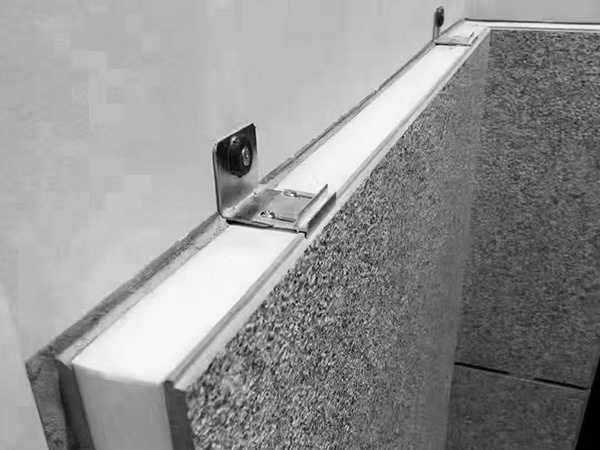
Real stone paint exterior wall insulation and decoration integrated board
-
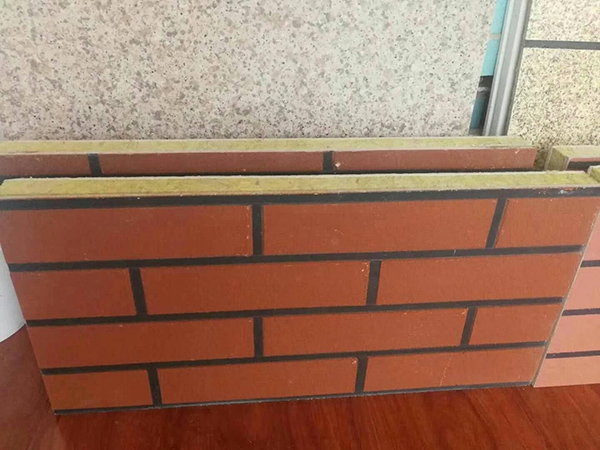
Real stone paint imitation brick polyurethane insulation integrated board
-
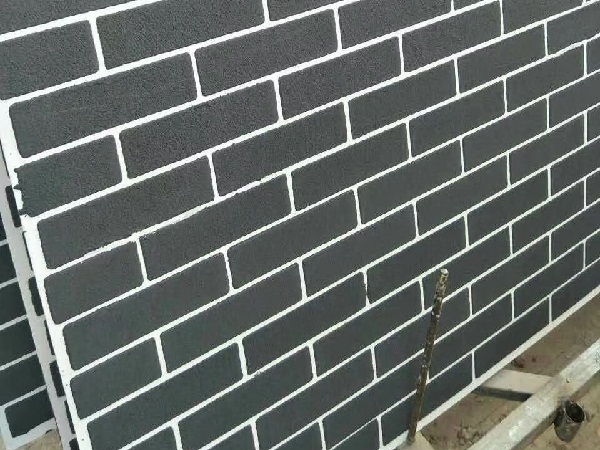
Extruded genuine stone paint imitation brick integrated board
-
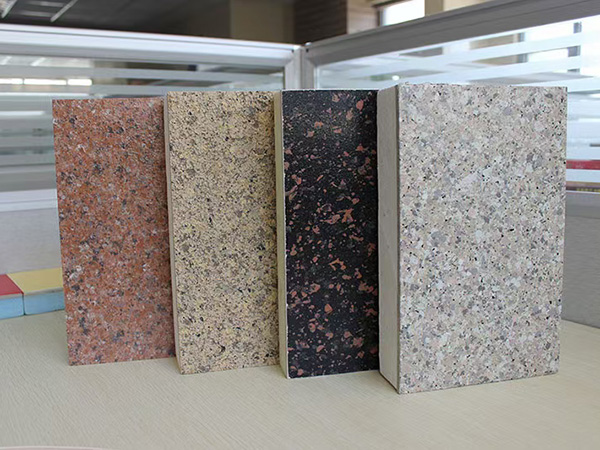
Imitation stone paint insulation decorative integrated board
-
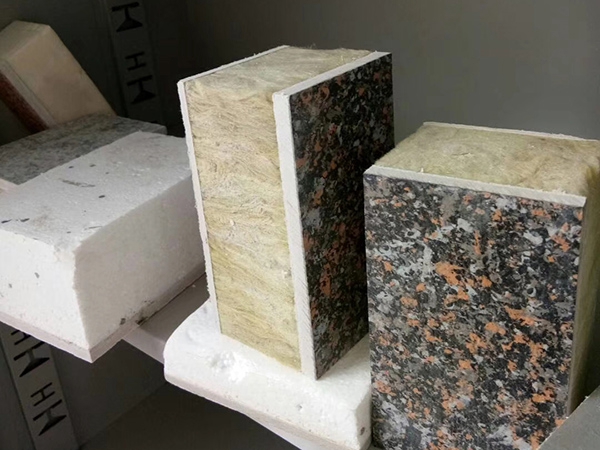
Colorful painted rock wool insulation decorative integrated board
-
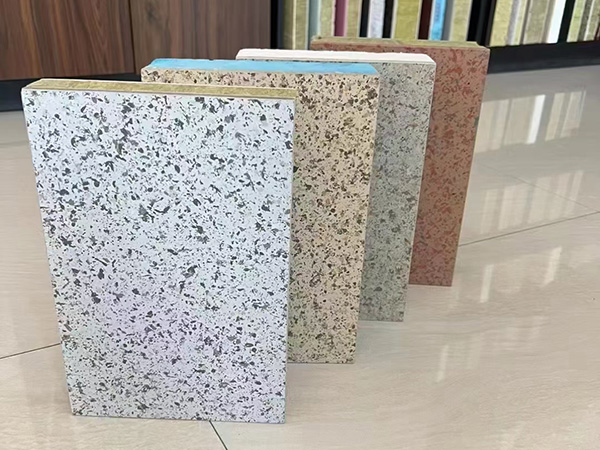
Imitation stone insulation decorative integrated board
Contact us
—— Contact:Manager
—— Tel:+86 15175677755
—— Email:644244139@qq.com
—— Url:https://www.dingminginsulation.com
—— Address:Liuyuanzhuang Village, Dacheng County, Langfang City, Hebei Province