
NewsDetails
Custom Color Insulation Panels: Achieving Distinctive Architectural Facade Designs
author:Dingming time:2026-10-07 14:18:18 Click:181
Architectural expression and visual identity have become increasingly important differentiators in modern building design, driving developers and designers to seek exterior wall solutions offering maximum aesthetic flexibility without compromising energy efficiency performance. Manufacturers of exterior wall insulation panels have responded to this market demand by developing advanced coating technologies and customization capabilities enabling architects to specify virtually any color, texture, and surface finish for prefabricated insulation panels. This customization capability allows building facades to achieve distinctive visual identities while delivering the thermal performance, fire safety, and construction efficiency benefits of integrated insulation systems.
The Evolution of Exterior Panel Aesthetics
Historically, exterior wall insulation options limited designers to a narrow range of standard colors and textures predetermined by manufacturers based on mass market preferences and production efficiency considerations. Early insulation panel systems offered limited color palettes typically restricted to whites, beiges, and grays with minimal texture options reducing architectural expression and making numerous buildings visually indistinguishable from one another. Advances in coating chemistry, digital color matching technology, and automated production equipment have dramatically expanded customization capabilities available to building designers.
Contemporary manufacturers utilize spectrophotometric color measurement equipment, computerized formulation systems, and precision coating application machinery enabling reproduction of virtually any color reference with extraordinary accuracy. Clients can provide Pantone color codes,RAL designations, physical color samples, or natural stone specimens, and manufacturers can formulate coating systems matching these references within tightly controlled color tolerance limits. This capability transforms insulation panels from purely functional building components into versatile design media enabling complete architectural expression freedom.
Color Matching Technology and Quality Control
Professional color matching begins with digital analysis of color reference samples using spectrophotometers measuring spectral reflectance curves across the visible light spectrum. These measurements capture subtle color characteristics including hue, chroma, lightness, and metamerism behavior that simple RGB or hex color codes cannot fully describe. Manufacturers convert spectral data into coating formulation recipes specifying precise proportions of colored pigments, binders, extenders, and additives required to reproduce the target color.
Quality control during production utilizes inline color measurement systems verifying each coating batch matches target specifications within acceptable tolerances defined by international color difference standards. Manufacturers typically maintain color consistency within delta E values below 1.0, representing differences imperceptible to the human eye. For large projects requiring coating from multiple production batches or extended delivery periods, manufacturers maintain archived formulation records and produce verification samples ensuring color uniformity across all delivered materials.
Texture and Surface Finish Options
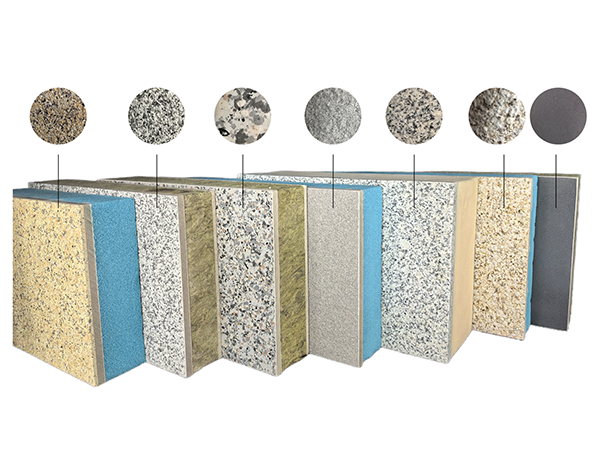
Beyond color customization, manufacturers offer extensive texture and surface finish options enabling designers to replicate diverse architectural materials and achieve specific tactile and visual qualities. Flat smooth finishes provide contemporary minimalist aesthetics preferred for modern commercial towers and upscale residential developments. Matte textures reduce surface reflectivity creating soft, refined appearances minimizing visual glare from sunlight exposure.
Lichee-skin and sandblasted textures simulate the rough surface quality of natural quarried stone, adding visual depth and tactile richness to building facades. Textured finishes also provide practical advantages including superior concealment of minor surface imperfections, reduced visibility of dirt accumulation, and enhanced resistance to visible weathering over extended service life. Manufacturers can reproduce textures ranging from fine, uniform surfaces to coarse, dramatic profiles matching specific design requirements.
Stone Imitation and Natural Material Replication
One of the most valued customization capabilities is the ability to replicate natural stone appearances at a fraction of the cost and weight of genuine stone cladding. Manufacturers achieve stone simulation rates exceeding 90 percent using advanced coating technologies producing visual effects virtually indistinguishable from natural granite, marble, sandstone, and slate to the untrained eye. This capability enables building owners to achieve the prestige and permanence associated with natural stone facades while avoiding the substantial costs, structural loading requirements, and installation complexity inherent in dry-hung stone systems.
Manufacturers maintain extensive libraries of standard stone patterns including popular granite varieties such as Shanghai gray, Jubilee black, and G682 pink, as well as marble styles ranging from cream marfil to statuario white. Beyond standard patterns, manufacturers can reproduce custom stone appearances by analyzing physical stone samples or design team-provided reference materials, enabling precise matching of existing building materials during renovation projects or creation of exclusive stone effects for new developments.
Gloss Level Control and Light Interaction
Gloss level selection significantly influences facade appearance under varying lighting conditions and represents another customization dimension available through coating technology. Manufacturers provide gloss measurements using instruments standardized at 60-degree incidence angles, enabling precise specification of surface light reflection characteristics. Low-gloss finishes below 10 units deliver matte appearances minimizing reflection and creating subdued, sophisticated surface qualities. Medium-gloss surfaces between 10 and 30 units balance visual richness with moderate reflectivity suitable for most commercial applications.
High-gloss finishes exceeding 30 units produce reflective, polished appearances emphasizing color saturation and creating dramatic visual impacts under direct sunlight. Gloss level selection should consider building orientation, solar exposure patterns, surrounding context, and desired architectural effect. Manufacturers provide large-scale gloss samples demonstrating panel appearances under different lighting conditions to support design team material selection decisions.
Long-Term Color Stability and Weather Resistance
Custom color specifications must maintain visual integrity throughout the building service life, making color stability and weather resistance critical performance requirements. Manufacturers utilizing high-quality fluoropolymer binders and UV-stable pigment systems ensure coating colors resist fading, chalking, and discoloration for decades under continuous solar exposure. Accelerated aging testing documenting color change values after extended UV exposure provides quantitative evidence of long-term color retention performance.
Building professionals should require manufacturers to provide color stability data from accredited testing laboratories documenting delta E values after specified exposure periods, ensuring custom colors selected during design development will appear substantially unchanged when panels are installed and throughout the building's operational lifetime. These performance guarantees protect design intent integrity and prevent costly appearance degradation that could diminish building marketability and property values.
Conclusion
Custom color insulation panels have transformed exterior wall design from a functional necessity into a powerful architectural expression medium, enabling designers to realize distinctive visual concepts without sacrificing energy efficiency, construction efficiency, or budget constraints. Manufacturers continue expanding customization capabilities through advanced coating technologies, digital color matching systems, and automated production equipment ensuring building facades can achieve any aesthetic vision while delivering proven thermal performance and durability. As architectural competition intensifies and building identity becomes increasingly valuable, custom color insulation panels will become indispensable tools for creating memorable, distinctive building exteriors worldwide.
References
ISO 7724-2 Geometrical Product Specifications (GPS) - Standard Temperature for Geometrical Product Verification and Testing
ISO 2808 Paints and Varnishes - Determination of Film Thickness
ASTM D2244 Standard Practice for Calculation of Color Tolerances and Color Differences from Instrumentally Measured Color Coordinates
GB/T 3186 Paint, Varnish, Putty and Pigment - Sampling and Sample Preparation
GB/T 13452.2 Paint Film Thickness Measurement and Evaluation of Thickness
 Recommended Products
-
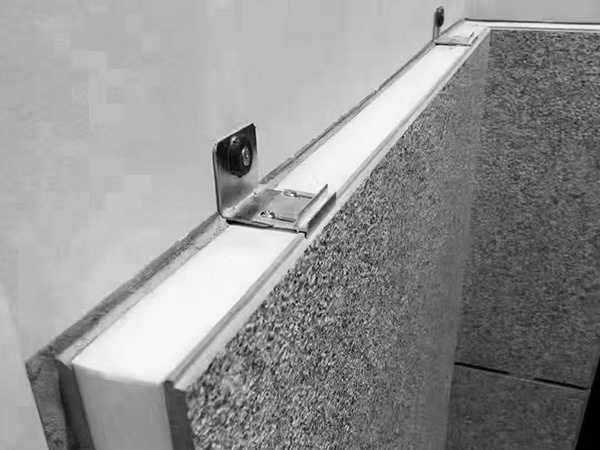
Real stone paint exterior wall insulation and decoration integrated board
-
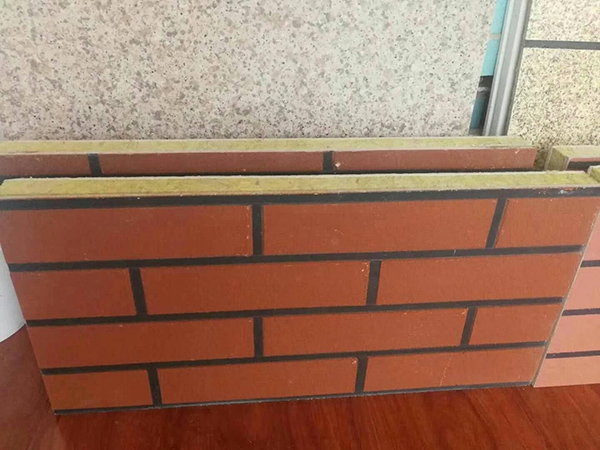
Real stone paint imitation brick polyurethane insulation integrated board
-
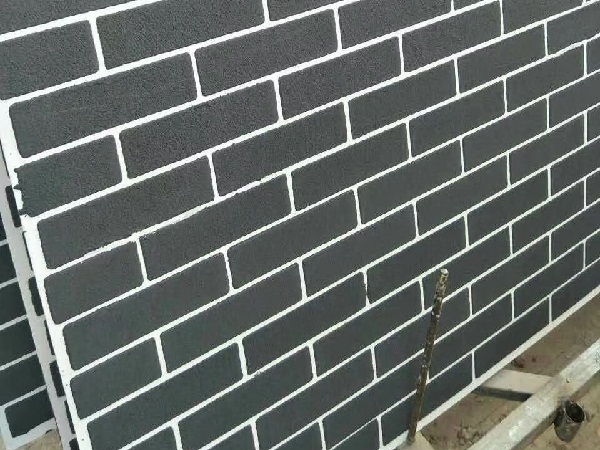
Extruded genuine stone paint imitation brick integrated board
-
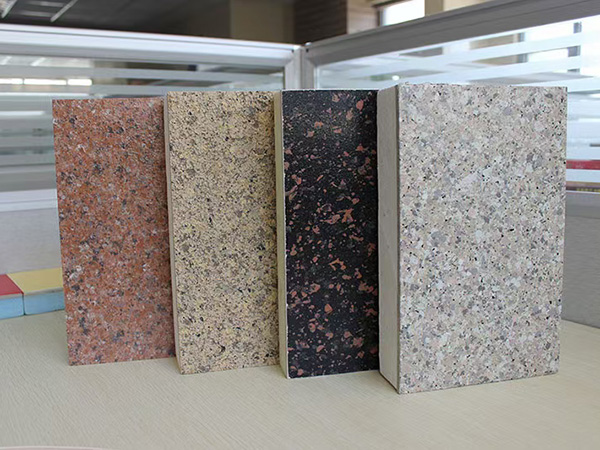
Imitation stone paint insulation decorative integrated board
-
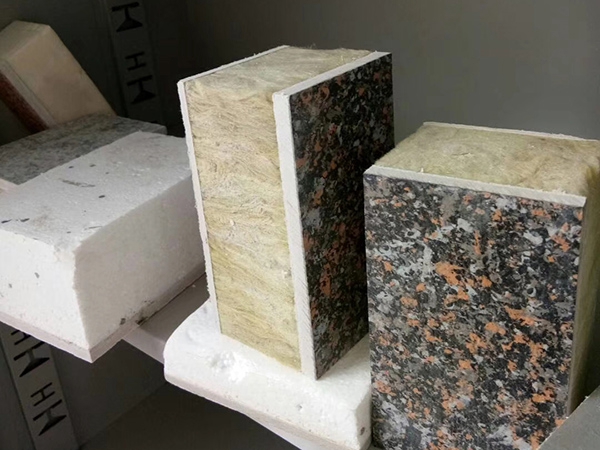
Colorful painted rock wool insulation decorative integrated board
-
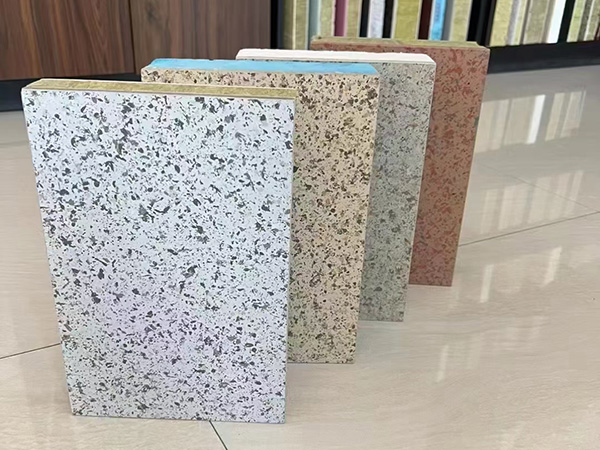
Imitation stone insulation decorative integrated board
Contact us
—— Contact:Manager
—— Tel:+86 15175677755
—— Email:644244139@qq.com
—— Url:https://www.dingminginsulation.com
—— Address:Liuyuanzhuang Village, Dacheng County, Langfang City, Hebei Province