
NewsDetails
Using Exterior Insulation Panels in Cold and Freezing Climates
author:Dingming time:2026-11-04 17:03:14 Click:102
Cold regions are where an exterior insulation decorative panel earns its keep. Heating bills dominate the operating cost of a northern building, and moving the insulation to the outside of the structure cuts both the energy use and the risk of condensation inside the wall. But freezing weather also stresses a facade in ways a mild climate never does, so the specification has to match the place.
Heat Loss and the Outside Insulation Layer
When the insulating core sits outside the structural wall, the building mass stays warm and dry, which avoids the cold bridging that plagues internally insulated walls. The thermal value of the panel, paired with a continuous layer at the joints, keeps the interior surface above the dew point, so mold and musty corners become rare. A manufacturer can model the whole-wall performance for your local design temperature, and that model should include the joints, not just the flat panel, because the seams are where heat slips out.
Freeze-Thaw and the Finish
Water that enters a tiny crack and then freezes expands, and repeated cycles slowly break a finish apart. Panels built in a controlled factory start with a dense, well-bonded skin that resists this far better than site-applied coatings. Still, the detailing at joints and openings must keep bulk water out, because no finish survives constant saturation. Ask the supplier about the freeze-thaw rating of the finish system; a credible one will have cycled samples through hundreds of freeze-thaw swings and can show the result.
Core Choice for the North
Both rock wool and extruded polystyrene (XPS) work in cold climates, but they suit different priorities. Rock wool keeps its non-combustible character and stays stable across a wide temperature range, which many specifiers prefer near occupied spaces. XPS delivers a higher thermal value per inch, so it can meet a strict target with a thinner wall, useful where the envelope budget is tight. Polyurethane cores are another option where space is at a premium. The right factory will recommend a core based on your code edition and your energy target, not just on what it happens to stock.
Detailing the Building Edges
In cold weather the weakest points are the thermal bridges: slab edges, balconies, and where the wall meets the roof. A panel system only delivers its promise if these transitions are handled with continuous insulation and careful flashing. The supplier's drawings should show how the panel terminates at each edge condition so the building envelope stays unbroken. Where a balcony pierces the wall, a thermal break in the connection stops heat from short-circuiting straight to the outside.
Snow, Ice, and Drainage
Northern facades deal with meltwater and ice dams at the top, and with plowed snow piled against the base. The base track and the first course of panels should resist both moisture and impact from shifting snow. A drained cavity behind the panels lets meltwater escape instead of pooling, and a clear weep path at the bottom keeps the wall dry through the spring thaw. A manufacturer used to cold-region projects will build these details in as standard rather than as an afterthought.
Working With the Right Supplier
Cold-climate success comes from a supplier that understands the local code, the typical temperatures, and the failure modes that cold brings. Request the thermal model, the freeze-thaw data, and a sample of the edge details before you commit. A factory that can show real installations in a similar climate gives you more confidence than a generic brochure. Treat the facade as a system, and the northern winter becomes a problem it is built to handle.
Commissioning Through the First Winter
The first heating season is the real test of a cold-climate facade. Watch the interior corners and any area over a thermal bridge for signs of condensation or a cold draft, because these reveal detailing gaps that the drawings missed. A short commissioning walk with the supplier, done while the building is occupied and heated, catches small issues before they become claims. The factory's thermal model gives a baseline for what normal performance looks like, so a deviation stands out clearly. If a bay underperforms, the cause is usually a missed joint or an unprotected edge rather than the panel itself, and it is far cheaper to fix in year one than after several freeze-thaw cycles have done their damage. A manufacturer that returns for this check shows it stands behind the system beyond the delivery date.
Author: Erik Halvorsen, a cladding engineer working on northern and alpine building projects.
References
ISO 6946, Building Components and Building Elements - Thermal Resistance and Thermal Transmittance - Calculation Method
ASTM C1362, Standard Test Method for Thermal Resistance of Exterior Insulation Finishing Systems
EN 13501-1, European Fire Classification of Construction Products
ASTM C518, Standard Test Method for Steady-State Thermal Transmission Properties by Means of the Heat Flow Meter Apparatus
NFPA 285, Standard for Fire Test of External Wall Covering Assemblies
 Recommended Products
-
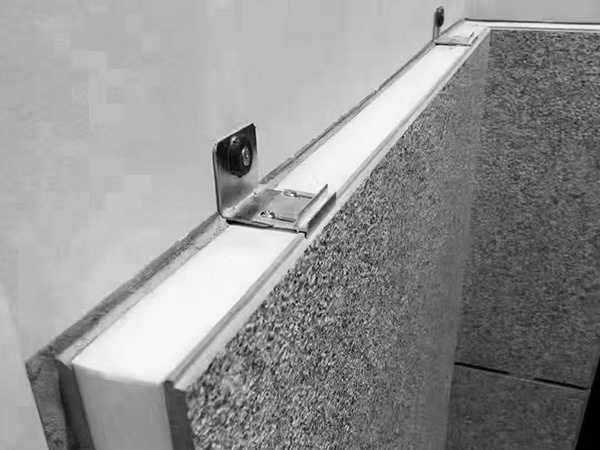
Real stone paint exterior wall insulation and decoration integrated board
-
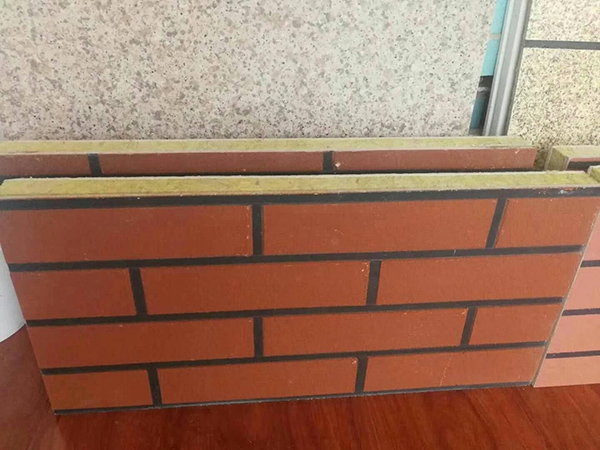
Real stone paint imitation brick polyurethane insulation integrated board
-
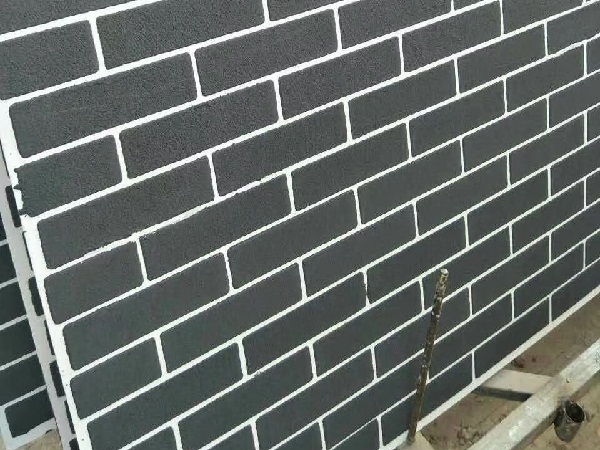
Extruded genuine stone paint imitation brick integrated board
-
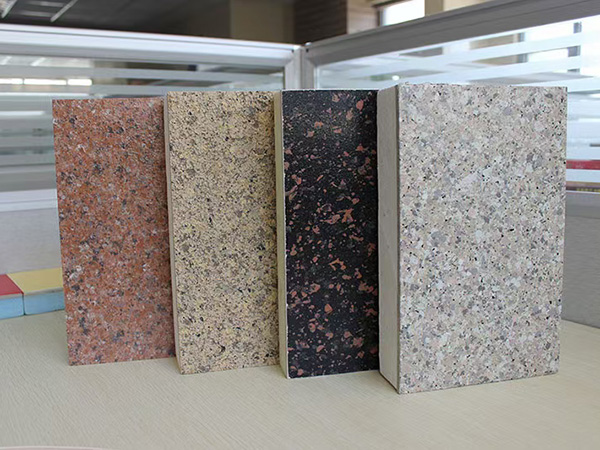
Imitation stone paint insulation decorative integrated board
-
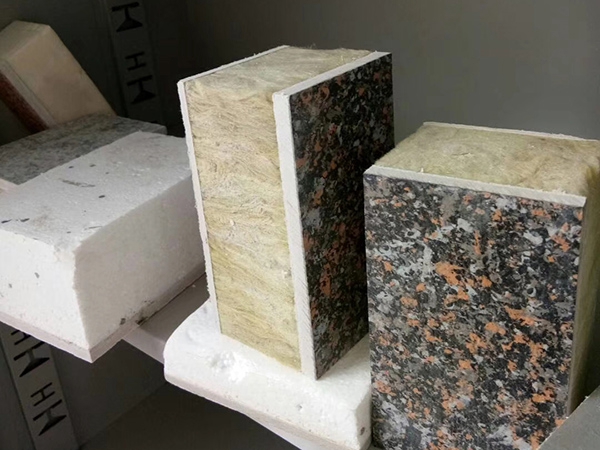
Colorful painted rock wool insulation decorative integrated board
-
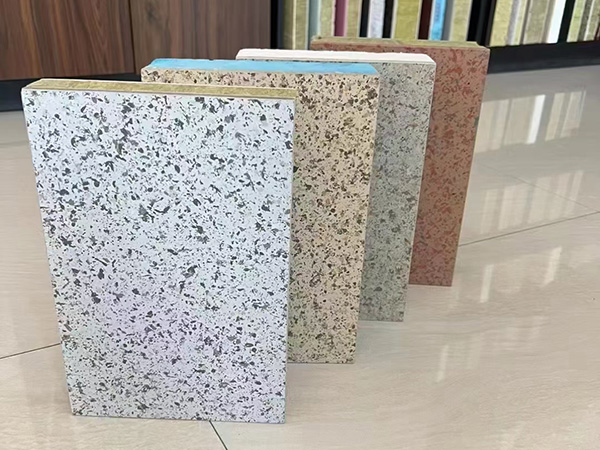
Imitation stone insulation decorative integrated board
Contact us
—— Contact:Manager
—— Tel:+86 15175677755
—— Email:644244139@qq.com
—— Url:https://www.dingminginsulation.com
—— Address:Liuyuanzhuang Village, Dacheng County, Langfang City, Hebei Province