
NewsDetails
Exterior Insulation Panels for Hot and Humid Climates
author:Dingming time:2026-11-04 17:28:16 Click:108
In hot regions the battle is the opposite of the cold one: the goal is to keep heat out and humidity under control. An exterior insulation decorative panel helps on both fronts, but the details that matter in a tropical or desert city are different from those in the north. Specified well, the system lowers cooling loads and keeps the interior comfortable through the worst of the season.
Blocking the Heat at the Skin
The insulating core placed outside the structure stops the wall from soaking up daytime heat and releasing it indoors at night, a pattern that drives up air-conditioning use. A lighter-colored finish reflects more solar energy, and a factory can apply a solar-reflective topcoat that keeps the surface cooler than a standard coating. The combined effect is a lower peak load, which can let a smaller cooling plant serve the building. Ask the manufacturer for the solar reflectance and thermal emittance of the finish, since those two numbers describe how the facade behaves under a strong sun.
Humidity and the Vapor Direction
Hot, humid air carries a lot of moisture, and when that vapor meets a cool surface it condenses. In a cooling climate the vapor drive often moves from the warm, damp outside toward the cool interior, so the wall assembly should be detailed to manage that flow. A manufacturer can advise whether the panel system needs a dedicated vapor control layer or whether the factory-applied skins provide enough resistance. The wrong choice traps moisture inside the core, which slowly cuts the thermal value and can feed biological growth.
Finish Durability Under Intense Sun
Constant UV exposure is hard on coatings. A high-quality finish resists chalking and color fade far better than a thin site-applied paint, which is one reason a factory-built panel suits sunny regions. The topcoat chemistry matters: look for a system rated for prolonged UV and for the local pollution load, since coastal salt air and city soot both accelerate weathering. A credible supplier will share the weatherability data from accelerated aging tests rather than a vague claim of durability.
Detailing for Heavy Rain and Storms
Many hot regions also face monsoon rains or tropical storms, so water management stays central. The joint sealing, the opening flashings, and the drained cavity behind the panels all need to handle intense, wind-driven rain. The supplier's drawings should show how the base of the wall sheds water and how the cavity stays open so any intrusion can dry out. Where cyclones or hurricanes are a risk, the anchor schedule must match the local design pressure, because a facade that resists heat but fails in a storm is no solution.
Thermal Mass and Night Cooling
Some hot-climate designs use the building's thermal mass to absorb daytime heat and release it after dark, but a heavily insulated panel facade changes that dynamic by separating the mass from the outside air. That is usually a benefit for cooling, yet it means the interior comfort depends more on the mechanical system. A manufacturer can model how the panel changes the wall's response, helping the design team size ventilation and shading correctly. Pair the facade with external shading and the cooling savings grow further.
Choosing a Supplier That Knows the Heat
A supplier with installations in similar climates understands the local failure modes: UV breakdown, salt corrosion at the coast, and storm-driven water. Ask for references from nearby projects and for the finish performance data under local conditions. A factory that can show weathered samples from a comparable site gives you a real basis for trust, rather than a number on a spec sheet from a temperate country.
Commissioning Through the First Hot Season
The first summer under a strong sun shows whether the facade performs as modeled. Check the rooms most exposed to afternoon heat for higher-than-expected cooling load, and inspect the shaded joints for any sign of moisture trapped behind the skin. A commissioning walk with the supplier, while the building is occupied and running its cooling system, turns vague comfort complaints into specific, fixable items. The manufacturer's solar and thermal data give a baseline, so a real deviation from the prediction is easy to spot. Most issues that appear are detailing gaps at interfaces rather than the panel itself, and correcting them in the first season avoids years of avoidable energy cost and tenant discomfort. A supplier that joins this review proves the system was specified for the climate, not just for the showroom.
Author: Erik Halvorsen, a cladding engineer focused on hot-region building envelopes.
References
ASTM E903, Standard Test Method for Solar Absorptance, Reflectance, and Transmittance of Materials Using Integrating Spheres
ISO 6946, Building Components and Building Elements - Thermal Resistance and Thermal Transmittance - Calculation Method
ASTM E96, Standard Test Method for Water Vapor Transmission of Materials
EN 13501-1, European Fire Classification of Construction Products
NFPA 285, Standard for Fire Test of External Wall Covering Assemblies
 Recommended Products
-
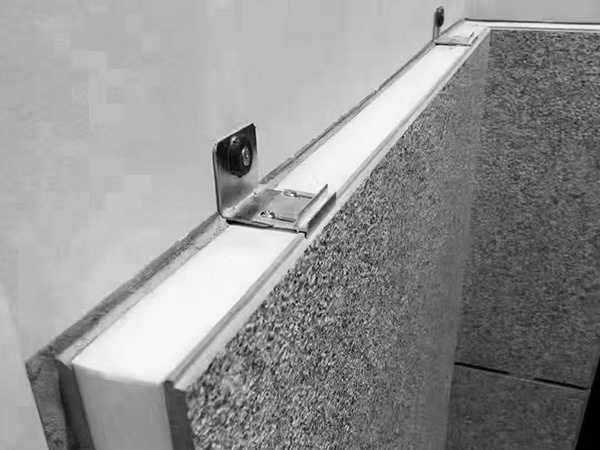
Real stone paint exterior wall insulation and decoration integrated board
-
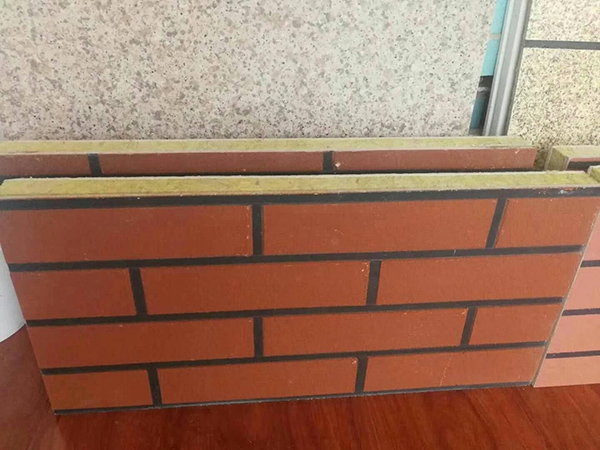
Real stone paint imitation brick polyurethane insulation integrated board
-
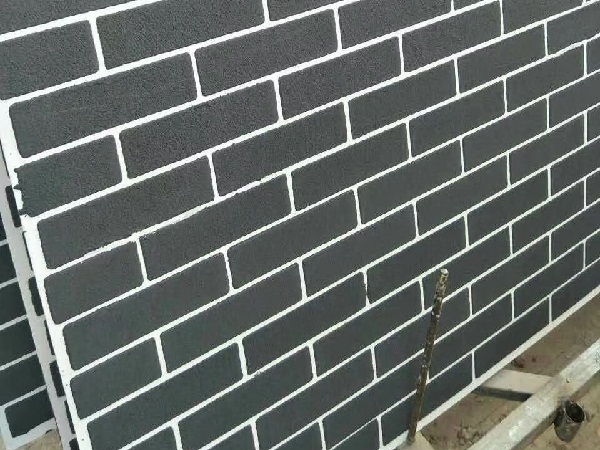
Extruded genuine stone paint imitation brick integrated board
-
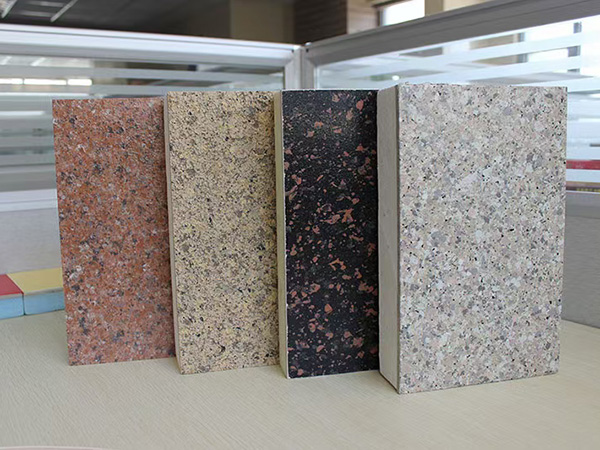
Imitation stone paint insulation decorative integrated board
-
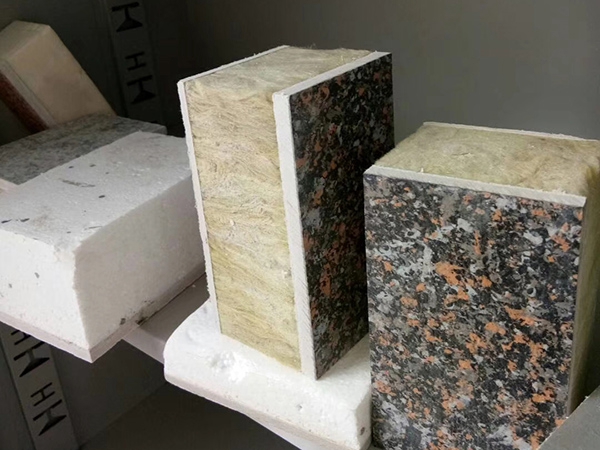
Colorful painted rock wool insulation decorative integrated board
-
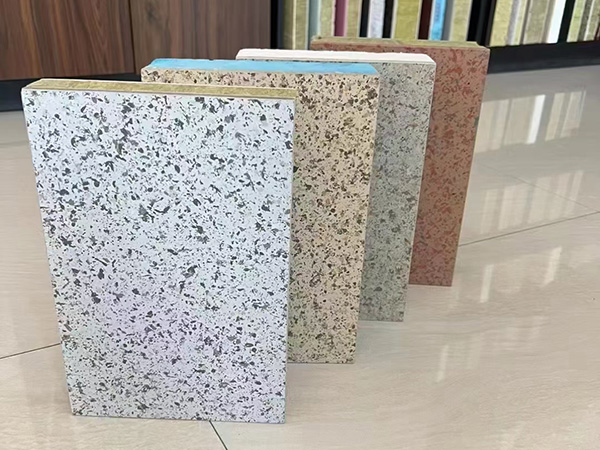
Imitation stone insulation decorative integrated board
Contact us
—— Contact:Manager
—— Tel:+86 15175677755
—— Email:644244139@qq.com
—— Url:https://www.dingminginsulation.com
—— Address:Liuyuanzhuang Village, Dacheng County, Langfang City, Hebei Province