
NewsDetails
Maintenance and Expected Lifespan of Exterior Insulation Panels
author:Dingming time:2026-11-04 17:48:24 Click:78
One reason property owners choose an exterior insulation decorative panel is the promise of a finished facade that does not need repainting every few years. That promise holds up, but only with a modest, planned level of care. A panel system is a durable assembly, not a forget-about-it product, and a small annual routine protects a large capital investment.
What Drives the Service Life
The lifespan of a panel depends less on the surface and more on the layers you cannot see. The insulating core, the adhesive bond, and the anchor system all age at their own rate. A factory that controls lamination under stable conditions produces a bond that resists delamination far better than a field-assembled one. The finish, whether stone-coat or a multi-color coating, is the part most exposed to sun and rain, and its fade resistance is a function of the topcoat chemistry and the number of protective layers applied at the plant.
A Simple Annual Inspection
Most problems show up quietly. Walk the building once a year, ideally after the harshest season, and look for hairline cracks at joints, discoloration near openings, and any panel that sounds hollow when tapped. A hollow note can mean the bond has let go behind the face. Document what you see with photos tied to the panel's location, because a pattern across several bays points to a system issue rather than a one-off defect. A good supplier will help you map batch numbers to wall areas so the right units are targeted if a repair is needed.
Cleaning Without Damaging the Finish
Dirt films hold moisture and speed up weathering, so a gentle wash every couple of years keeps the facade healthy. Use a mild, non-abrasive cleaner and low-pressure water; high-pressure washing can force water into joints and strip the protective topcoat. Avoid solvent-heavy chemicals that can dull or soften the finish. A manufacturer usually supplies a care sheet that names the approved cleaners, and following it protects both the look and the warranty.
Repairs and Matching Color
When a panel is damaged, the cleanest fix is a like-for-like replacement from the same production line. This is where the choice of factory matters: a manufacturer that keeps your color formula on file can supply a matching unit years later, while a one-off order may leave you with a visible patch. For small nicks, a touch-up kit matched to the original batch is often enough. Larger impacts that expose the core should be sealed promptly to stop water entry while a replacement is sourced.
Anchors and the Structure Behind
The visible panel is only half the system. The anchors and the substrate they grip age with the building, and a loose bracket is a safety issue, not just a cosmetic one. Periodic checks of accessible anchor points, especially after major storms, catch movement before a panel shifts. The supplier's installation drawings should list the torque or setting values used, giving the maintenance team a reference for what "correct" looks like during an inspection.
Planning for the Long Term
A realistic maintenance plan treats the facade as a twenty- to thirty-year asset with predictable, low-cost upkeep rather than a series of emergencies. Budget a small annual line item for inspection and cleaning, keep the original supply and warranty documents in one place, and build a relationship with a supplier that will still be in business when a replacement panel is needed. That continuity is what turns a cladding choice into a lasting one.
Budgeting the Upkeep Over Time
Owners often plan the capital cost of a facade and forget the small running cost of keeping it sound. A practical approach sets aside a modest annual amount for inspection and a periodic amount for washing and the occasional touch-up, which is far cheaper than a reactive repair after a failure spreads across several bays. Because a factory-built panel needs little beyond this routine, the lifetime cost stays predictable and low compared with a painted wall that demands recoating every few years. The supplier's care guidance helps the facilities team build a realistic schedule, and keeping batch records means a future repair uses the correct matching unit from the same production line. Treat the facade as a managed asset rather than a finished purchase, and its cost stays under control for decades. The manufacturer that supplies the care plan and keeps the color formula on file is the one that makes this budgeting genuinely easy to follow.
Author: Margaret Lindqvist, a building-envelope specialist focused on facade durability.
References
ASTM C1362, Standard Test Method for Thermal Resistance of Exterior Insulation Finishing Systems
ISO 9229, Thermal Insulation - Vocabulary
EN 13501-1, European Fire Classification of Construction Products
ASTM D2244, Standard Practice for Calculation of Color Tolerances and Color Differences from Instrumentally Measured Color Coordinates
NFPA 285, Standard for Fire Test of External Wall Covering Assemblies
 Recommended Products
-
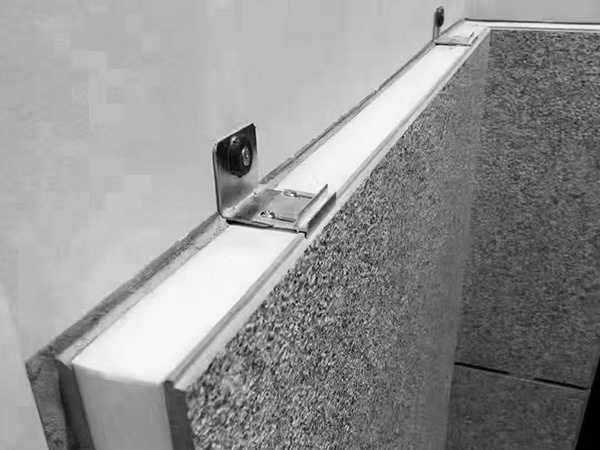
Real stone paint exterior wall insulation and decoration integrated board
-
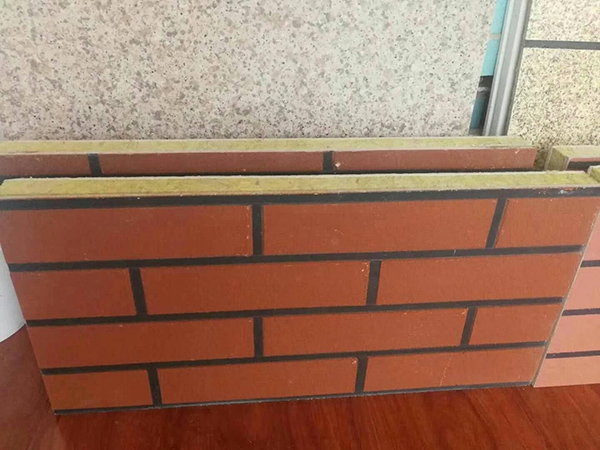
Real stone paint imitation brick polyurethane insulation integrated board
-
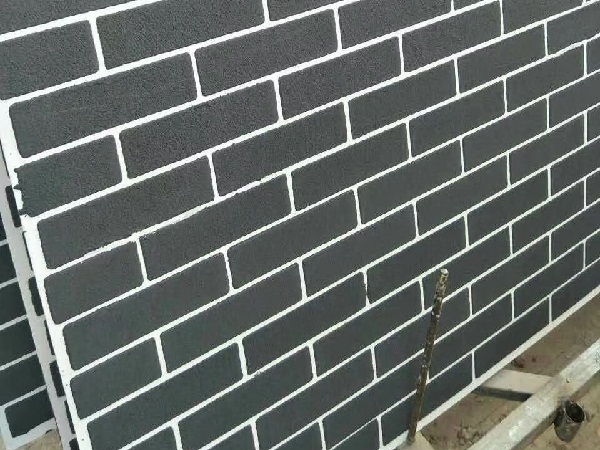
Extruded genuine stone paint imitation brick integrated board
-
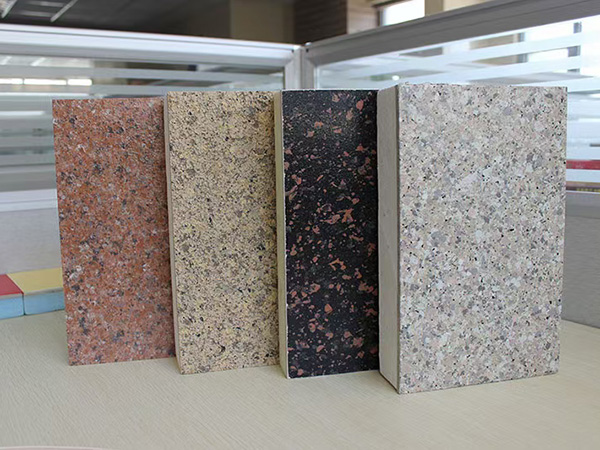
Imitation stone paint insulation decorative integrated board
-
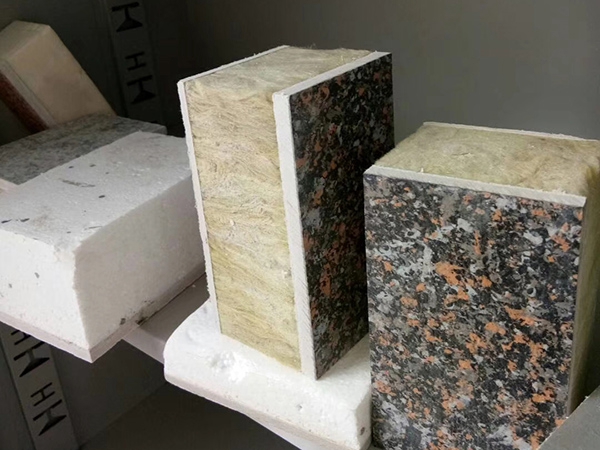
Colorful painted rock wool insulation decorative integrated board
-
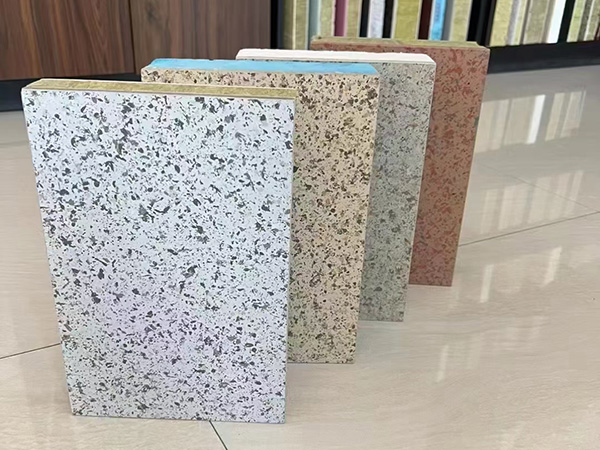
Imitation stone insulation decorative integrated board
Contact us
—— Contact:Manager
—— Tel:+86 15175677755
—— Email:644244139@qq.com
—— Url:https://www.dingminginsulation.com
—— Address:Liuyuanzhuang Village, Dacheng County, Langfang City, Hebei Province