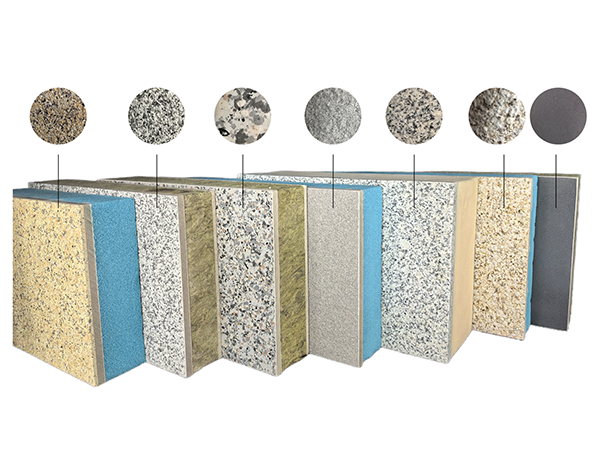

NewsDetails
Fireproof Thermal Insulation Materials for Building Facades
author:Dingming time:2026-09-07 18:53:01 Click:143
Fireproof Thermal Insulation Materials for Building Facades
Introduction
As urban skylines grow taller and energy codes become stricter, the facade has become one of the most critical systems in modern construction. A facade must hold back heat, block sound, and above all, resist fire.
For architects, developers, and contractors, the choice of insulation material directly shapes occupant safety. This article examines fireproof thermal insulation materials for building facades, focusing on non-combustible solutions such as rock wool, and explains why they increasingly outperform combustible options like expanded polystyrene, extruded polystyrene, and polyurethane foam. Understanding Fireproof Facade Insulation Facade insulation is divided into combustible and non-combustible categories. Combustible materials such as EPS, XPS, and PU offer low weight and good thermal resistance, but they ignite readily and accelerate flame spread once a fire takes hold. Non-combustible materials are engineered to withstand extreme temperatures without feeding a fire. Rock wool, also known as stone wool, is made by melting basalt and other volcanic rock at around 1,400 degrees Celsius and spinning the melt into fine mineral fibers. The result is a dense, inorganic mat that is inherently non-combustible. Glass wool and calcium silicate boards share similar non-combustible properties and are commonly specified where fire classification is mandatory. Core Advantages of Non-Combustible Insulation The primary advantage is fire safety. Non-combustible facade insulation does not add to the fire load, which limits flame spread and protects the structural frame during a blaze. This matters most in high-rise buildings, where external fire can climb facade cavities. Beyond fire, rock wool delivers strong acoustic performance. Its open fibrous structure absorbs sound energy and reduces noise transmission between exterior and interior, a benefit increasingly demanded in dense cities. Thermal stability is another strength: non-combustible materials retain their shape and insulating value at temperatures that would melt organic foams. Dimensional stability, plus resistance to rot, pests, and moisture cycling, extends the service life of the facade. Fire Safety Regulations and Test Standards Global regulations are moving toward stricter fire performance for exterior walls. In the European Union, the Euroclass system classifies building products from A1, the highest non-combustible rating, down through A2, B, C, D, E, and F. Materials rated A1 and A2 are considered non-combustible or of limited combustibility, and many member states mandate these classes for tall residential and public buildings. In China, the GB 8624 standard adopts a comparable classification, with Level A representing non-combustible materials and lower levels permitting varying degrees of combustibility. Following several high-profile facade fires, a number of countries have restricted or banned combustible insulation above certain building heights. Applications Across Building Types Fireproof facade insulation is deployed across a wide range of projects. In high-rise residential towers, hospitals, schools, and hotels, non-combustible rock wool is the preferred choice for external thermal insulation composite systems and curtain wall infill. Industrial facilities and data centers value its fire resistance, while renovation programs for aging buildings rely on it to upgrade thermal performance without increasing fire risk. Because rock wool is available in rigid boards and lamella mats, it adapts to flat walls, curved surfaces, and complex detailing around windows. Installation Considerations Correct installation is essential to realize the fire and thermal benefits of the system. Facade assemblies should incorporate fire stops and cavity barriers at each floor level to prevent vertical fire spread through the insulation layer and the air gap behind cladding. Fixings and adhesives must be compatible and meet the required fire classification. Installers should follow the manufacturer's detail drawings, maintain continuity at junctions, and avoid gaps that create thermal bridges. Appropriate protective equipment is recommended during handling, as fine mineral fibers can irritate skin and lungs. Frequently Asked Questions What is the difference between rock wool and EPS insulation? Rock wool is a non-combustible mineral fiber made from stone, while EPS is a combustible plastic foam. Rock wool resists fire and adds acoustic insulation, whereas EPS is lighter and cheaper but can melt, drip, and spread flames when exposed to heat. Does fireproof insulation cost more than combustible options? Initial material cost is typically higher for rock wool, but savings from reduced fire risk, lower insurance premiums, and longer service life often offset the difference over the building's lifetime, especially for tall or occupied structures. Can non-combustible insulation be used on existing buildings? Yes. Rock wool retrofit systems are widely applied to upgrade older facades, improving both thermal efficiency and fire safety without major structural changes or deep demolition work. How are these materials tested for fire performance? Products are evaluated under standards such as Euroclass in Europe and GB 8624 in China, which measure reaction to fire, smoke production, and flammability to assign a formal classification that regulators accept. Conclusion Fireproof thermal insulation materials have shifted from a niche specification to a mainstream requirement for safe, efficient building facades. Non-combustible options like rock wool deliver the rare combination of fire resistance, acoustic comfort, and long-term thermal stability that combustible foams cannot match. As regulations tighten and high-rise construction continues to expand, specifying certified fireproof insulation is one of the most responsible decisions a project team can make. References 1. Hens, H. Building Physics: Heat, Air and Moisture.
Berlin: Ernst & Sohn, 2012. 2. European Committee for Standardization.
EN 13501-1: Fire Classification of Construction Products and Building Elements.
Brussels: CEN, 2018. 3. Standardization Administration of the People's Republic of China.
GB 8624: Classification for Burning Behavior of Building Materials and Products. Beijing: SAC, 2012.
 Recommended Products
-
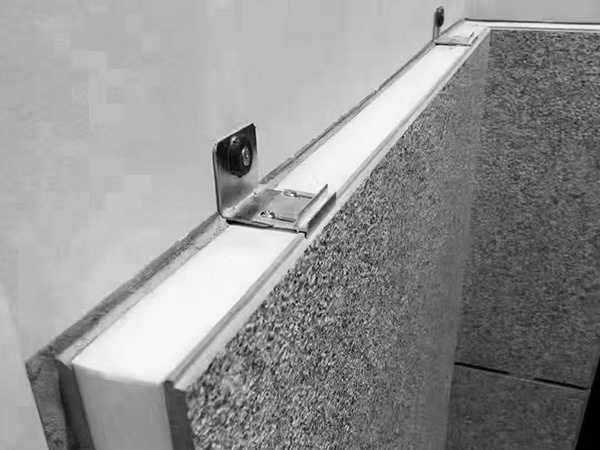
Real stone paint exterior wall insulation and decoration integrated board
-
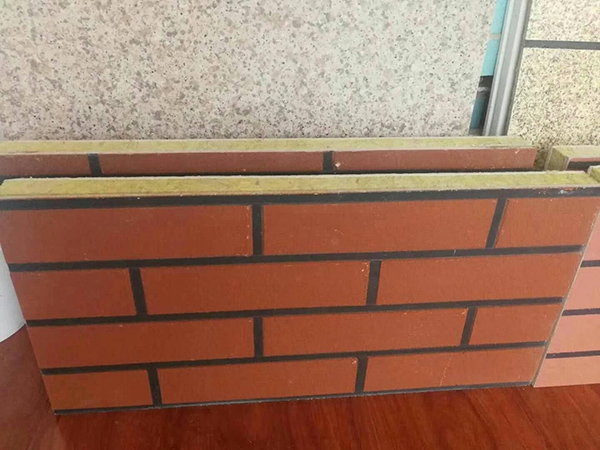
Real stone paint imitation brick polyurethane insulation integrated board
-
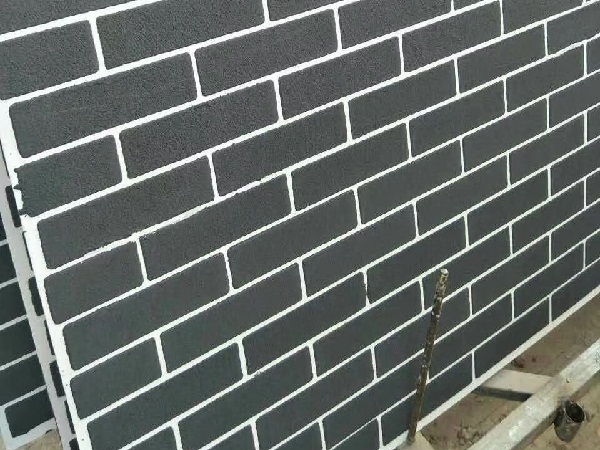
Extruded genuine stone paint imitation brick integrated board
-
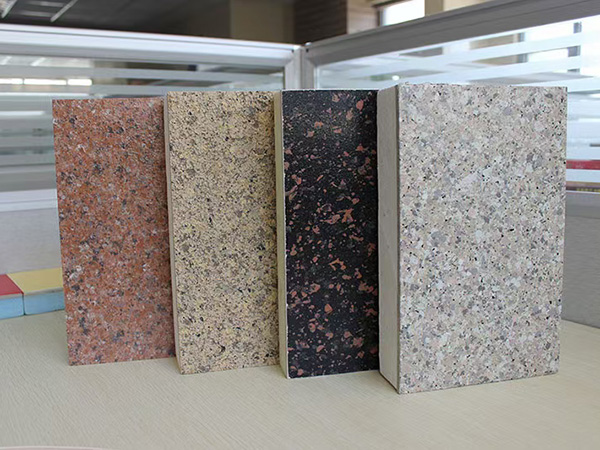
Imitation stone paint insulation decorative integrated board
-
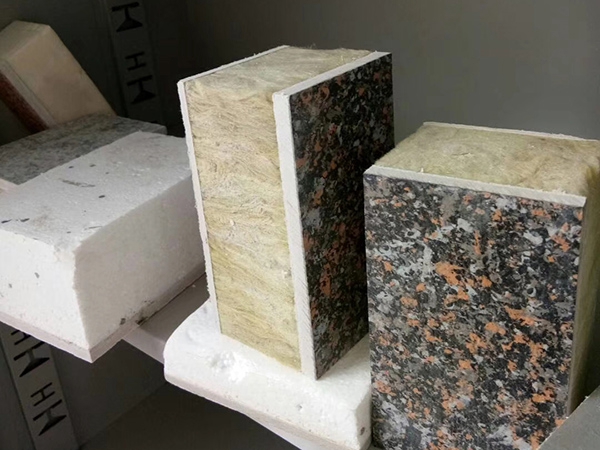
Colorful painted rock wool insulation decorative integrated board
-
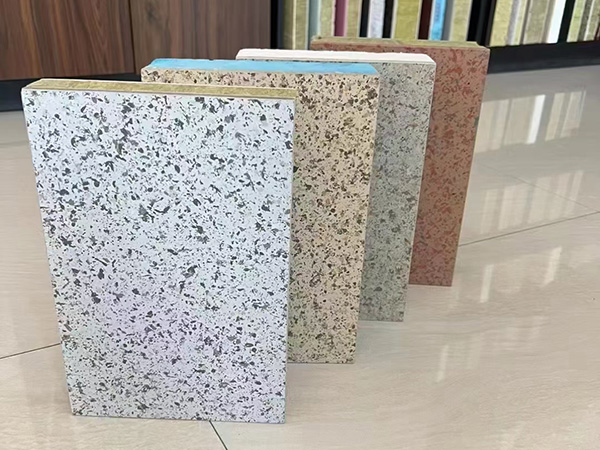
Imitation stone insulation decorative integrated board
Contact us
—— Contact:Manager
—— Tel:+86 15175677755
—— Email:644244139@qq.com
—— Url:https://www.dingminginsulation.com
—— Address:Liuyuanzhuang Village, Dacheng County, Langfang City, Hebei Province