
NewsDetails
Rock Wool Insulation Materials Properties and Applications in Construction
author:Dingming time:2026-07-06 18:19:58 Click:175
Rock wool insulation, also known as mineral wool or stone wool, represents one of the most versatile thermal insulation solutions available to modern construction. This material is manufactured by melting natural basalt rocks at temperatures exceeding 1600 degrees Celsius and then spinning the molten material into fibers. The resulting product offers exceptional thermal performance combined with remarkable fire resistance properties.
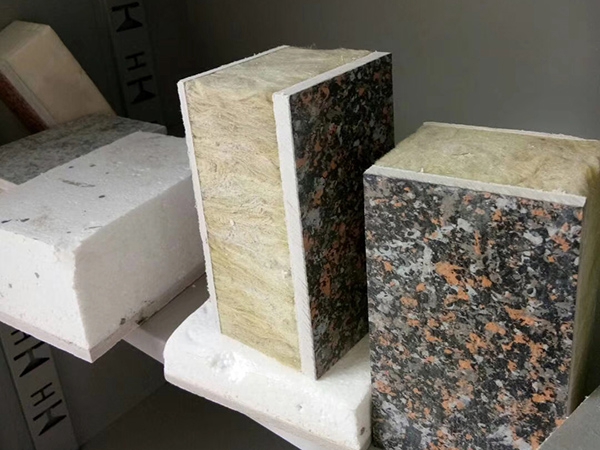
A rock wool insulation manufacturer can produce materials tailored to specific applications, from exterior wall systems to interior partitions and roof assemblies. The production process allows for precise control of fiber characteristics, density, and dimensional stability. This manufacturing flexibility enables the supplier to offer products optimized for diverse climatic conditions and building types.
The global demand for rock wool insulation continues growing as building codes emphasize energy efficiency and fire safety. Construction professionals appreciate the combination of thermal performance, acoustic control, and fire resistance that these materials provide in a single product.
Thermal Performance Characteristics
The thermal conductivity of rock wool insulation typically ranges from 0.033 to 0.040 W/mK, depending on density and fiber orientation. This performance level rivals other leading insulation materials while offering superior fire resistance characteristics. The manufacturer can produce boards and batts with varying thermal values to meet specific design requirements.
The fibrous structure of rock wool creates numerous small air pockets that effectively resist heat flow. Unlike some insulation materials that compact over time, quality rock wool maintains its thermal performance throughout the building's operational life. The supplier should provide long-term thermal resistance ratings based on accelerated aging tests.
In exterior wall applications, rock wool boards provide continuous insulation that eliminates thermal bridges common in frame construction. This approach significantly improves the overall thermal envelope performance, reducing heating and cooling energy consumption in the finished building.
Fire Resistance and Safety Benefits
Rock wool insulation offers exceptional fire resistance, with melting points exceeding 1000 degrees Celsius. This characteristic makes it invaluable in fire-rated wall assemblies and roof systems where protecting building occupants and contents is paramount. The manufacturer designs products specifically for fire safety applications, with testing documentation meeting building code requirements.
Unlike organic insulation materials that can ignite and contribute to flame spread, rock wool does not burn or release toxic gases when exposed to fire. The material remains stable under extreme heat, maintaining its structural integrity and insulating properties during a fire event. This performance characteristic can provide critical additional time for occupant evacuation.
The supplier can recommend appropriate rock wool products for specific fire-rated assembly requirements. Wall and floor assemblies utilizing rock wool can achieve fire ratings ranging from one to four hours, depending on the specific construction configuration and selected products.
Acoustic Performance Advantages
Beyond thermal benefits, rock wool insulation provides excellent acoustic control in building assemblies. The fibrous material effectively absorbs sound waves, reducing both airborne noise transmission and impact sound between spaces. This acoustic performance makes rock wool particularly valuable in multi-family residential buildings, hotels, and office buildings.
The manufacturer produces products specifically optimized for acoustic applications, with higher densities and specialized fiber orientations that maximize sound absorption. Interior partitions insulated with rock wool can achieve STC ratings exceeding 60, providing meaningful privacy between adjacent spaces.
Building owners appreciate the dual benefit of thermal and acoustic performance, as the same insulation material addresses multiple building performance requirements. This efficiency simplifies material specification and reduces the number of products needed in complex assemblies.
Moisture Resistance and Long-Term Stability
Quality rock wool insulation resists moisture absorption, maintaining thermal performance even when exposed to humid conditions. The manufacturer engineers the fiber structure to resist water penetration while allowing moisture vapor to diffuse through, preventing condensation within the insulation layer.
This moisture resistance supports long-term stability in demanding applications like below-grade insulation, exterior wall assemblies, and roof systems. Unlike some insulation materials that degrade when wet, rock wool maintains its dimensions and performance characteristics through repeated moisture exposure cycles.
The supplier should provide documentation of moisture resistance testing and recommendations for applications where moisture exposure is likely. Proper installation techniques, including adequate ventilation and vapor barriers, further support long-term performance in challenging environments.
Environmental and Sustainability Benefits
Rock wool insulation supports sustainability objectives through its durability, energy efficiency contribution, and manufacturing processes. The manufacturer typically utilizes natural basalt rock as the primary raw material, with some products incorporating recycled content from industrial sources.
The production process for rock wool requires less energy compared to other insulation materials like foam plastics. Additionally, the long service life of rock wool products reduces replacement requirements and associated environmental impacts. Buildings insulated with rock wool consume less energy throughout their operational life, directly reducing carbon emissions.
At end of life, rock wool insulation can be recycled into new products or used as aggregate in construction applications. The manufacturer may offer take-back programs or recycling guidance for construction waste reduction initiatives.
Applications Across Building Systems
Rock wool insulation serves diverse applications across building envelopes and interior assemblies. Exterior wall applications include both cavity wall insulation and continuous insulation over sheathing. The manufacturer produces boards specifically designed for these different installation methods, with varying dimensions and edge configurations.
Roof assemblies benefit from rock wool insulation in both flat and sloped applications. Factory-produced roof boards provide consistent thickness and surface characteristics that support quality installation and long-term performance. These products often incorporate factory-applied facers that provide weather resistance during construction and serve as air barriers in the finished assembly.
Interior applications include acoustic insulation in partitions, thermal insulation in foundation walls, and fire-rated assemblies in floor-ceiling systems. The manufacturer can recommend specific products for each application based on performance requirements and installation conditions.
Conclusion
Rock wool insulation materials offer a compelling combination of thermal performance, fire resistance, acoustic control, and environmental benefits. The manufacturer produces these materials under controlled conditions, ensuring consistent quality and performance characteristics.
Construction professionals increasingly specify rock wool insulation for demanding applications where multiple performance requirements must be addressed simultaneously. The supplier relationship provides technical support and product selection guidance that ensures optimal project outcomes.
References
American Society of Heating, Refrigerating and Air-Conditioning Engineers (ASHRAE). (2022). ASHRAE Handbook—Fundamentals. ASHRAE.
Rockwool International. (2021). Technical Guidelines for Rock Wool Insulation Applications. Rockwool Publications.
National Research Council Canada. (2021). Fire Performance of Insulation Materials in Building Assemblies. NRC Publications.
U.S. Department of Energy. (2022). Energy Efficiency and Thermal Insulation in Buildings. DOE Publications.
International Energy Agency. (2023). Global Insulation Market Analysis and Trends. IEA Publications.
 Recommended Products
-
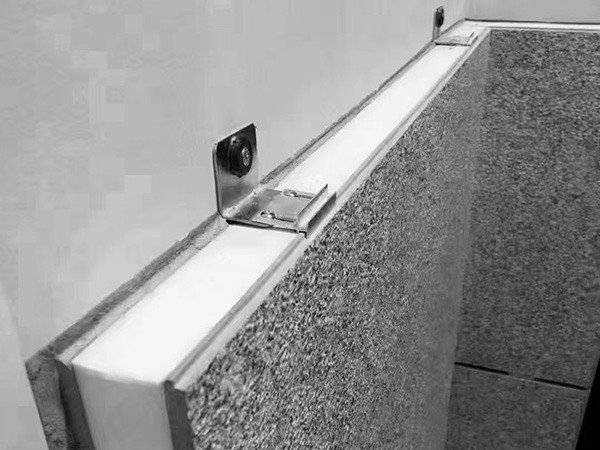
Real stone paint exterior wall insulation and decoration integrated board
-
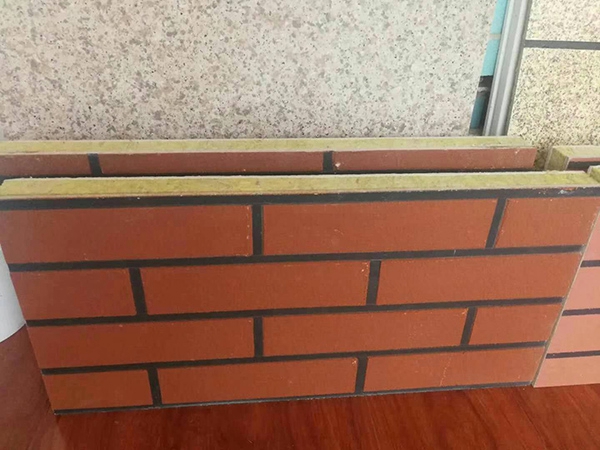
Real stone paint imitation brick polyurethane insulation integrated board
-
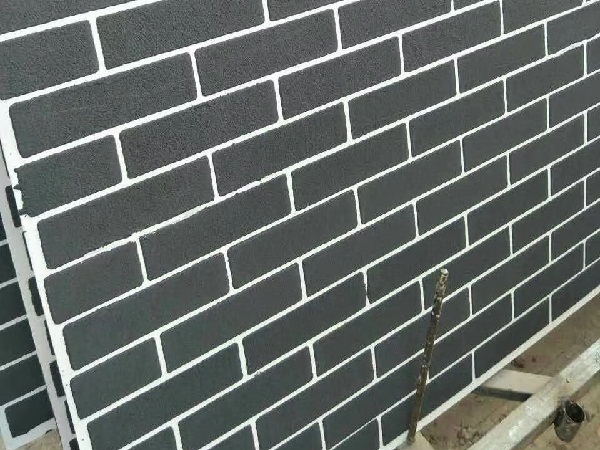
Extruded genuine stone paint imitation brick integrated board
-
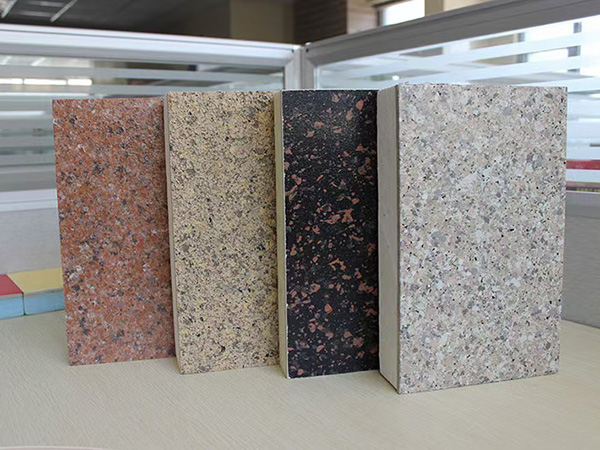
Imitation stone paint insulation decorative integrated board
-
Colorful painted rock wool insulation decorative integrated board
-
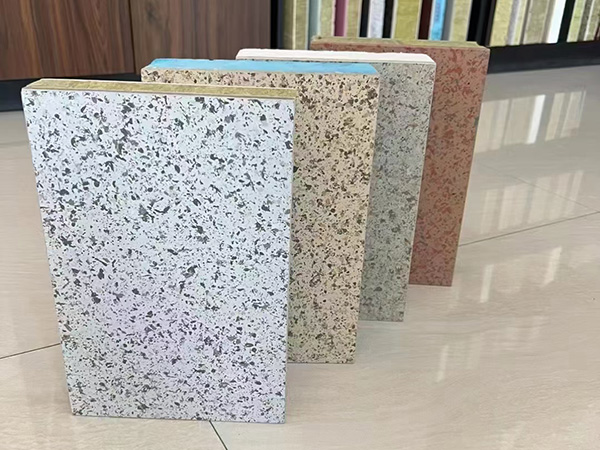
Imitation stone insulation decorative integrated board
Contact us
—— Contact:Manager
—— Tel:+86 15175677755
—— Email:644244139@qq.com
—— Url:https://www.dingminginsulation.com
—— Address:Liuyuanzhuang Village, Dacheng County, Langfang City, Hebei Province